The agriculture ERP market is moving from niche to necessity, with research projecting double-digit growth between 2026 and 2033 as farms and agribusinesses seek tighter control over costs, yields, and compliance. For technology executives, that trajectory means ERP decisions will increasingly shape how day-to-day farming operations are planned, monitored, and optimized.
Analysis
What This Means for ERP Insiders
Agriculture becomes a strategic ERP growth frontier. Rapidly expanding agri-ERP demand will push vendors and partners to deepen industry templates, sensor integrations and sustainability reporting, turning farming into a core vertical for cloud and AI roadmaps.
ERP Becoming the Digital Backbone for Modern Farms
The latest analysis indicates that agriculture ERP and farm management software are converging into integrated platforms that manage everything from crop planning and field activities to inventory, procurement, and downstream supply-chain commitments. Cloud-based deployments are gaining share as producers look to avoid up-front infrastructure spend and enable access from remote fields, packing houses, and offices.
Market projections point to compound annual growth rates in the 12 to 13% range through 2033, lifting the sector from a low single-digit billion-dollar base to well above that threshold globally. That expansion is being fueled by precision agriculture, regulatory pressure for traceability, and the economics of producing more with fewer inputs as labor tightens and climate volatility intensifies.
For daily users, ERP-backed farm systems promise to replace spreadsheet-driven operations with integrated views of planting schedules, input usage, machinery maintenance, weather data, and sales contracts. Finance leaders gain real-time visibility into cost per acre or per herd, while operations teams can adjust irrigation, fertilization, and harvest plans based on live data rather than end-of-season reports.
The vendor landscape spans general-purpose ERP giants often extended with agriculture-specific modules, alongside specialists that focus on crop, livestock, or mixed farming scenarios. When evaluating options, buyers are weighing depth of crop or livestock functionality, integration with sensors and telematics, and the ability to meet local compliance and sustainability reporting mandates.
Analysis
What This Means for ERP Insiders
Data-driven farming demands tighter platform integration. As farms connect equipment, weather, and supply-chain systems, ERP architectures must unify agronomy, operations and finance data, reshaping how architects design extensions, APIs and analytics across mixed rural deployments.
What Agriculture ERP Changes for Technology Leaders
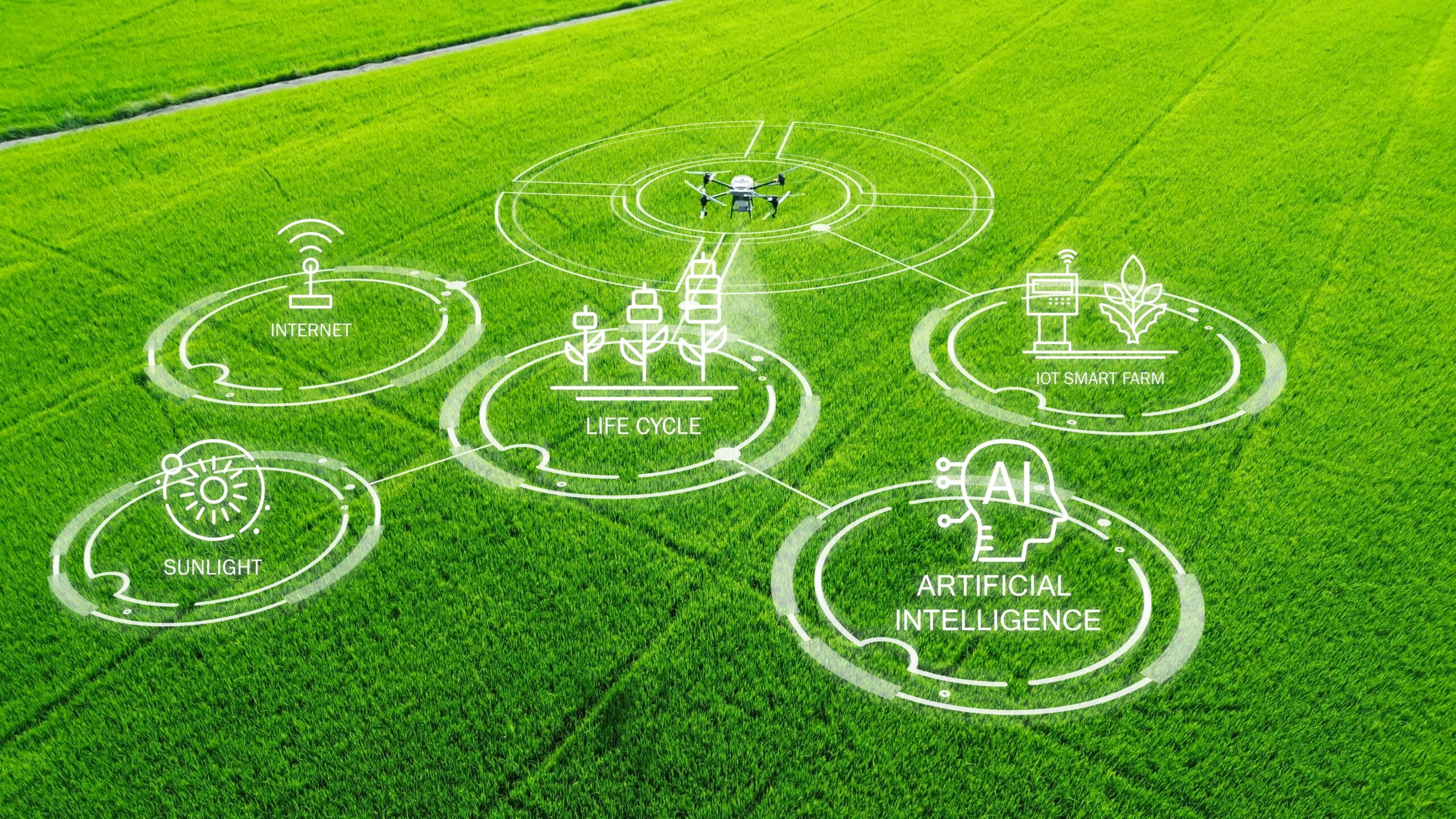
For CIOs and CTOs, adopting agriculture ERP is less about swapping ledgers and more about building a data platform that can support AI, analytics, and new service models over the next decade. Integrations with IoT devices, drones, and satellite imagery let organizations feed real-time field conditions directly into planning and inventory processes, tightening the loop between agronomy decisions and financial outcomes.
Common challenges include fragmented legacy systems, low data quality and user resistance from teams accustomed to paper logs and local tools. Successful programs typically start with clearly scoped use cases, such as yield tracking, input optimization or livestock health, then expand functionality as users see tangible gains in productivity, reduced waste or improved compliance.
For enterprises that already run SAP or other ERP cores, best practice is to integrate agriculture-specific capabilities as modular extensions or industry clouds rather than stand-alone systems, ensuring consistent master data and cross-farm reporting. That approach positions agriculture ERP as a strategic layer in broader supply-chain and sustainability initiatives, not just a farm-office tool.
Analysis
What This Means for ERP Insiders
Sustainability and traceability will drive product design. Regulatory and consumer pressure for transparent food chains will force ERP providers to embed field-level tracking, carbon and water metrics and audit-ready records, creating new opportunities for specialized partners and industry clouds.