AI’s electricity appetite is growing so rapidly that energy executives now describe electrons rather than data as the limiting factor in digital transformation. During the IFS Industrial X Unleashed session “Powering the AI Revolution: The Energy Capacity Imperative,” Microsoft’s Darryl Willis emphasized that new data centers cannot wait five years for grid connections if the AI economy is to scale. Shell’s former CIO Jay Crotts reinforced that nations with faster permitting, grid expansion and nuclear buildout will dominate the next decade of AI innovation.
They described the challenge as structural: Global electricity demand from data centers is expected to multiply several-fold, with the US adding only ~50 GW of generation last year and China adding 15× more. Meanwhile, U.S. nuclear plants still take over a decade to bring online. As a result, enterprises with AI roadmaps anticipate energy constraints as a primary strategic dependency.
For CIOs and CTOs, this reality elevates energy strategy from sustainability reporting to core operational planning. The next phase of digital transformation requires active collaboration between utilities, hyperscalers, industrial operators and regulators. The market for energy-aware digital infrastructure software that optimizes site design, load flexibility and local generation is expanding rapidly. Companies are seeking to fast-track grid approvals and reduce consumption volatility.
From Load Shaping to AI-Native Energy Planning
Speakers highlighted that enterprises like Microsoft already ask Siemens to help design data centers with flexible load patterns. They’re capable of shaving peaks and proving grid-friendly behavior to utilities. That capability increasingly determines whether major projects get approved at all.
The most actionable strategies for ERP and operations leaders include:
- Embedding energy modeling into capital planning workflows, ensuring new facilities present optimal load profiles
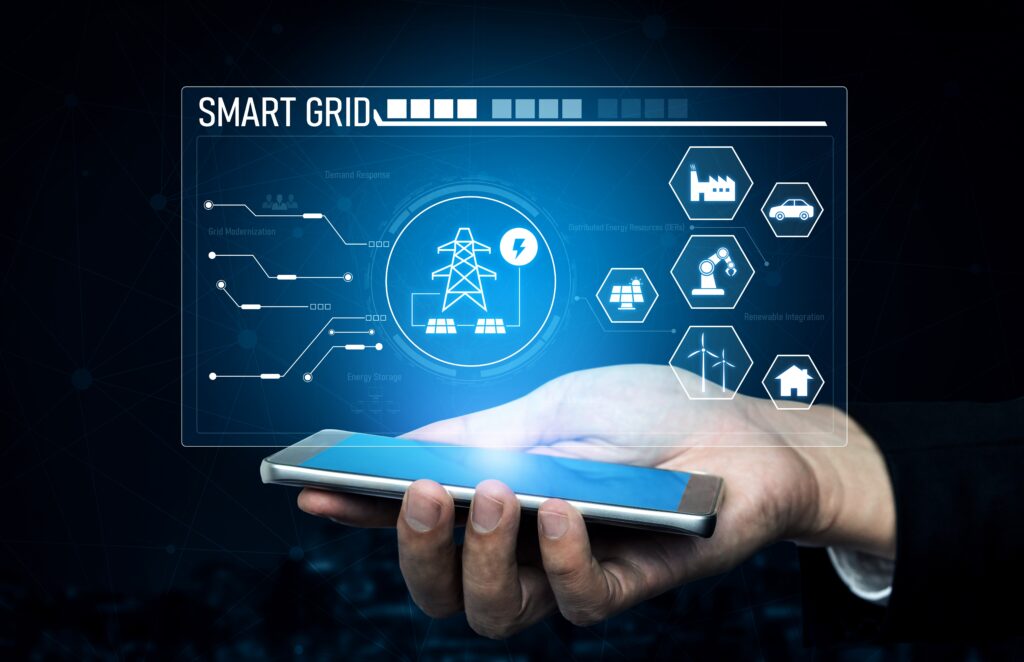
- Integrating distributed energy resources (DERs) including rooftop solar, battery storage and thermal systems directly into ERP asset planning
- Deploying load-flexibility optimization software so mission-critical AI workloads can shift intelligently during constrained periods
- Linking work management systems to predictive failure models to reduce the cascading impact of outages.
Companies that have implemented similar approaches report faster grid-connection approvals and reductions in energy-related downtime. Early adopters in manufacturing have achieved 10 to 20% reductions in peak demand charges through automated load-shifting integrated into their ERP energy cost centers.
What This Means for ERP Insiders
There’s a greater need to operationalize energy planning. Technology leaders must now integrate consumption forecasting, DER assets and facility modeling directly into ERP workflows. This shifts energy management from a facilities function to a strategic technology competency.
There’s a direct exposure to grid-connection risk. Every new AI or compute-intensive deployment must account for power availability and approval timelines. This requires ERP architects to support simulation-based scenario planning and to centralize load data.
There is immediate value in load flexibility. AI-driven demand shaping can reduce peak charges and accelerate project approvals. Operations teams will increasingly manage energy as a real-time, software-defined asset rather than a fixed utility cost.