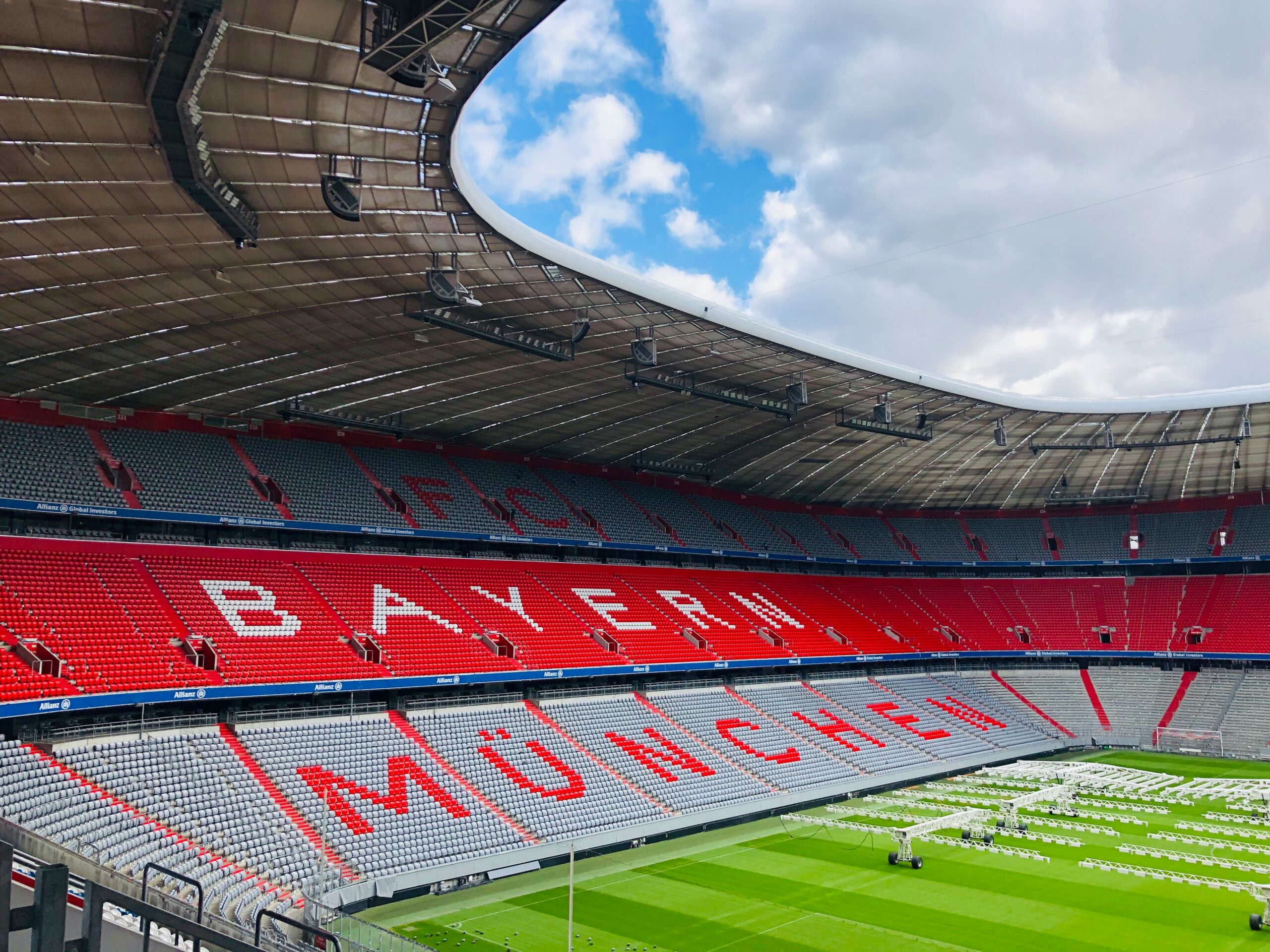
FC Bayern has migrated its central IT landscape to the cloud, selecting SAP Cloud ERP Private as the foundation of its core modernization. According to SAP, the sports club aims to consolidate master data into a single system to support more personalized engagement with members and fans and improve merchandising efficiency. The move is also expected to enable a scalable commercial model built on unified, cloud-based member data as a single source of truth.
With SAP Cloud ERP Private, the club has moved more than 9.5 million fan and member records, as well as more than 25,000 product master data records to a single central cloud location. This has enabled the club to boost financial processes and make partner management more transparent, SAP said.
Expanding SAP Portfolio with SAP Cloud ERP Private
FC Bayern was already working with a wide portfolio of SAP solutions including, SAP SuccessFactors, SAP Concur, SAP Emarsys, SAP Business Technology Platform (BTP), SAP Analytics Cloud, SAP Datasphere, SAP HANA Cloud, SAP Sports One and SAP Event Ticketing. The addition of SAP Cloud ERP Private consolidates this landscape under a unified cloud ERP core.
FC Bayern had previously operated on a self-hosted model, maintaining direct control over its infrastructure. Due to stringent operational and data protection requirements driven by the scale of its membership base and the volume of ticketing and merchandise transactions, the organization underwent comprehensive audits and governance assessments.
SAP was selected after demonstrating compliance across those requirements, with the cloud transition proceeding only once security, regulatory, and operational standards were fully validated.
With its move to the cloud, the club can now dynamically scale system capacity based on demand volumes, especially on match days when demand for tickets, information, and merchandise purchases is high. This has introduced a clearly predictable cost model, SAP said.
Core modernization has also helped the organization simplify IT operations through uniform security standards, something that is essential given the scale of the club’s membership base.
Thomas Saueressig, Member of the Executive Board of SAP SE and responsible for Customer Services & Delivery, said, “Through RISE with SAP, the club now benefits from continuous updates, integrated analytics, and AI capabilities that enhance the fan experience and strengthen operational agility.”
Advancing Clean Core Strategy and AI Readiness
By adopting a clean core architecture, FC Bayern is separating standard ERP processes from customization, allowing innovation to sit on top of a stable digital foundation. This approach positions the club to adopt next-generation capabilities such as SAP’s generative AI copilot Joule and sustainability tools like SAP Green Ledger without disrupting core finance, HR, and commercial systems.
Stepping away from layering complexity into the ERP backbone, the club is creating a controlled environment where analytics, automation, and AI-driven enhancements can be introduced in a governed, upgrade-friendly way.
Jan-Christian Dreesen, CEO of FC Bayern München AG said, “Our partnership with SAP ensures that FC Bayern remains a digital leader. The cloud enables us to scale fan interaction worldwide, evaluate player performance data more intelligently, and manage our commercial activities more efficiently across all global locations.”
What This Means for ERP Insiders
Peak demand exposes architectural weaknesses. Organizations with fluctuating transaction volumes must design ERP environments for elasticity, not average load. Cloud-based core systems provide dynamic scaling that traditional on-premise landscapes struggle to deliver economically.
Predictable cost models redefine IT planning. Subscription-based cloud ERP introduces clearer financial forecasting compared to capital-intensive infrastructure models. This predictability strengthens CIO credibility and supports long-term digital investment strategies.
AI readiness starts with disciplined core governance. Generative AI and advanced analytics depend on standardized, high-quality data structures within the ERP core. Clean core principles reduce technical debt, ensuring enterprises can layer innovation on top without constant reengineering.