FC Bayern Munich has deployed SAP Business Technology Platform (SAP BTP) as part of extending its SAP Cloud ERP Private transformation to enable real-time, data-driven match-day operations—such as managing ticketing, parking, security, and in-stadium retail as events unfold.
With 34 national championships, a 125-year history, and more than 200 million social media followers, the club is building on the clean core foundation it recently established. It is integrating and operationalizing data across the stadium environment, including logistics related to fan entry, crowd flow management, and on-site purchases.
Unifying Over 50 Disconnected Systems
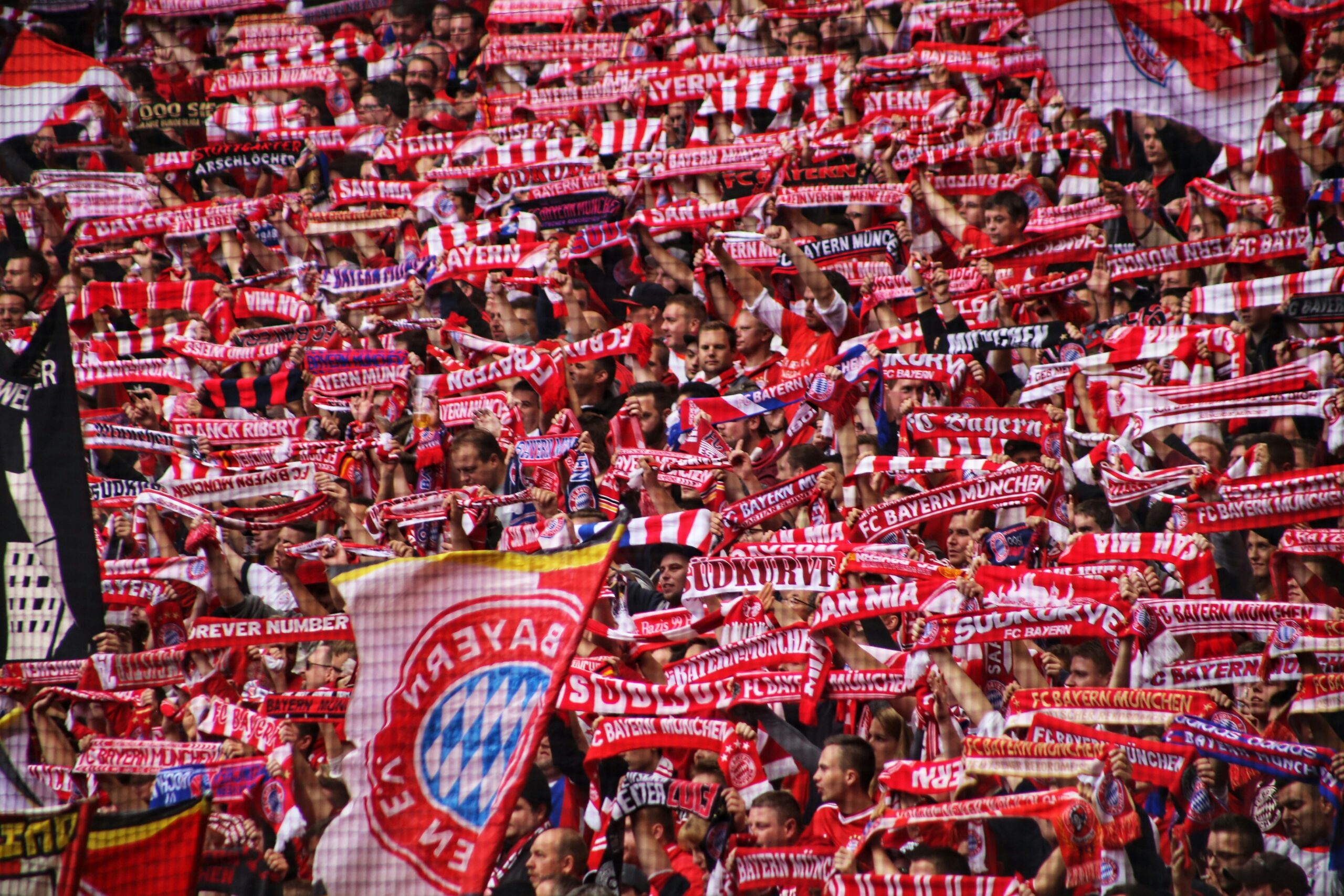
The scale of FC Bayern’s operations is substantial. On match days at the Allianz Arena, the club manages up to 75,000 spectators and one of Europe’s largest parking garages, accommodating 12,000 cars that must enter and exit in a narrow window. Historically, the data required to manage these logistics, which ranges from security and ticketing to retail, was fragmented across more than 50 legacy systems.
Analysis
What This Means for ERP Insiders
ERP transformation extends beyond back-office efficiency. Modern ERP programs increasingly support front-office and experience-driven outcomes. Organizations should evaluate ERP investments based on their ability to enable real-time, customer-facing operations.
Dominik Winter, FC Bayern’s Head of Development and Processes, noted that this fragmentation forced staff to rely on analog methods like SMS and radio to share information, meaning no one had the same perspective at the same time. “Everything needs data,” Winter explained, and the club’s new “game plan” focuses on unifying those disparate sources.
Using SAP BTP to Integrate SAP and Non-SAP Systems
To solve this, the club is implementing SAP BTP and the SAP Integration Suite to capture and combine data from both SAP and non-SAP systems. This creates a single source of truth that allows the club to move beyond the foundational master data consolidation.
This integrated landscape provides a unified view of the fan base, offering real-time insights into:
- Behavior and Interests: Understanding if a fan who buys a soccer jersey is also interested in the club’s men’s basketball or women’s soccer teams.
- Operational Efficiency: Managing real-time flow for security, retail, and parking to ensure a seamless fan experience.
- Targeted Engagement: Delivering personalized, omnichannel experiences based on individual preferences, from the moment a fan parks their car to their final purchase at the stadium.
Analysis
What This Means for ERP Insiders
Platform strategy determines long-term flexibility. Choosing extensible platforms like SAP BTP allows organizations to integrate non-ERP systems without increasing core complexity. This supports continuous innovation while maintaining control over core ERP processes.
Positioning for AI with Unified Data
This digital transformation follows the “clean core” philosophy, keeping the ERP core standardized while moving extensions outward – separating standard ERP processes from customization – which was a central theme of FC Bayern’s initial cloud migration. By establishing a solid, integrated data foundation first, the club is now positioned to add AI and predictive capabilities to its technology lineup.
Winter advised organizations to follow a similar path to follow a similar path, emphasizing that “to use AI, you need to have good data”. With its unified data core now in place, FC Bayern is no longer just managing a sports team; it is operating as a data-driven enterprise capable of forecasting fan needs and optimizing every second of the match-day experience
Analysis
What This Means for ERP Insiders
Real-time data shifts operational decision-making models. Access to unified, real-time data allows organizations to move from reactive coordination to proactive orchestration. This is particularly critical in high-volume, time-sensitive environments like events, retail, and logistics.