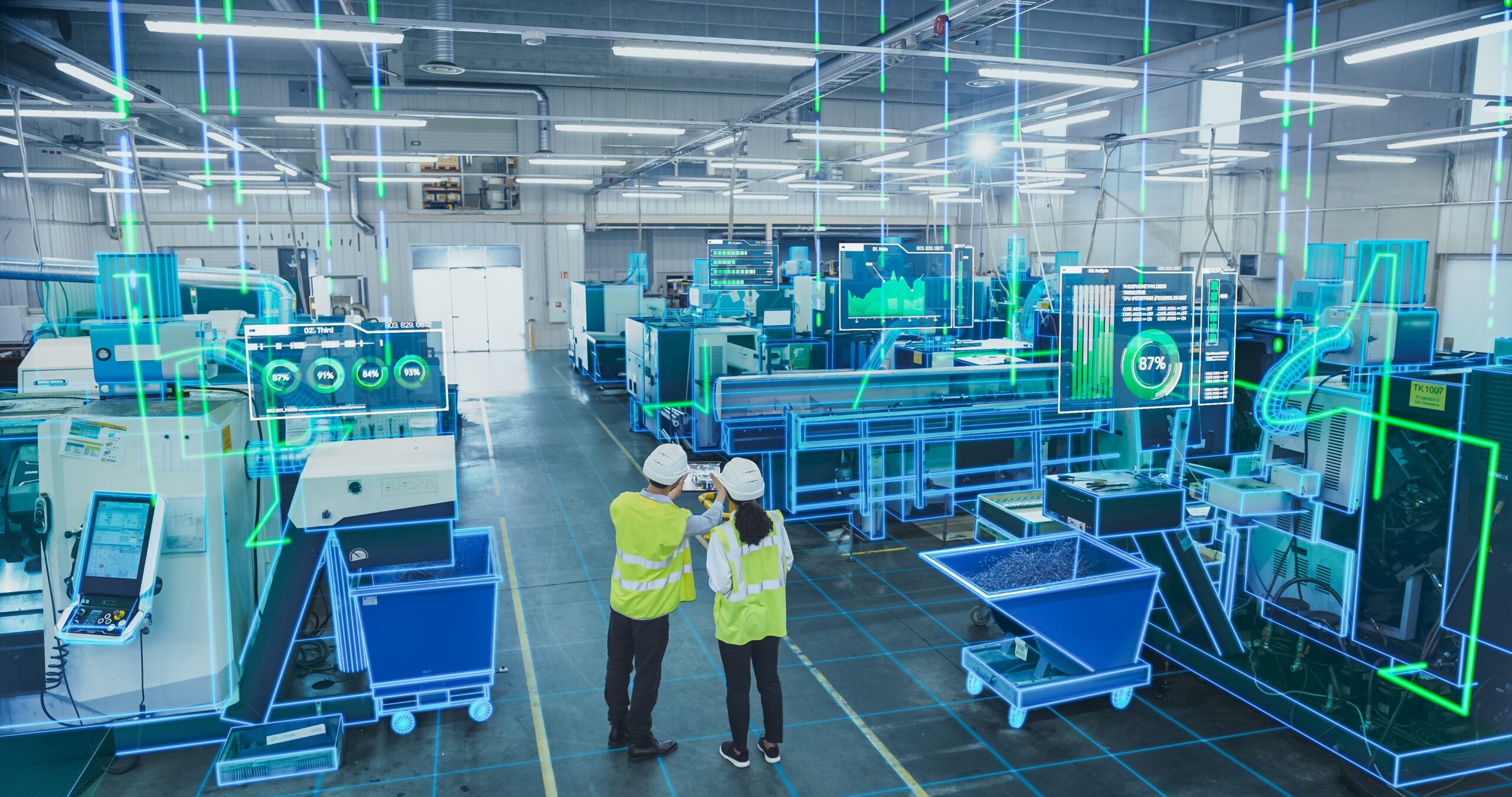
IFS’s Softeon acquisition, which brings warehouse management and robotics orchestration closer to IFS Cloud, should not be read only as a warehouse management deal. The larger move is about where IFS wants to compete as industrial companies try to connect planning, logistics, warehouse execution, maintenance, assets, and field operations through AI.
Can IFS now turn a series of specialist acquisitions into a more connected operating model for asset-intensive and supply-chain-heavy enterprises?
That is where Softeon fits with 7bridges and EmpowerMX. Softeon adds warehouse management and execution. 7bridges adds AI-driven logistics optimization. EmpowerMX adds aviation maintenance, repair, and overhaul (MRO) depth. Together, they show IFS pushing beyond ERP adjacency and into the operational layer where physical work, inventory movement, transportation, maintenance, and service outcomes are decided.
Pattern Extends Beyond WMS
IFS has been clear that Softeon will operate as IFS Softeon, combining warehouse management expertise with IFS’s Industrial AI positioning. That gives IFS a stronger answer for customers that need warehouse execution to connect with planning, inventory, labor, automation, and customer service levels.
But the follow-up story is not only about distribution centers. IFS acquired 7bridges in 2025 to expand logistics and transportation optimization, then launched IFS.ai Logistics in 2026 as an AI-powered logistics intelligence platform designed for complex, multi-carrier, multi-region transport networks. It also acquired EmpowerMX in 2024 to deepen its aviation MRO capabilities for aerospace and defense customers.
Those moves point to a common thesis. Industrial companies do not experience execution problems in neat software categories. A late shipment, unavailable part, labor shortage, grounded aircraft, missed service window, or warehouse bottleneck can all affect customer commitments and financial outcomes. IFS is trying to own more of the software surface where those decisions happen.
Industrial AI Needs Physical Context
Supply chain and asset-intensive operations involve messy, fast-moving data. Inventory levels shift. Labor plans break. Transportation lanes change. Maintenance schedules slip. Warehouse tasks collide with carrier cutoffs, parts availability, and customer commitments. AI needs that operational context if it is going to recommend actions instead of just summarize problems.
That makes the acquisition strategy easier to understand. Softeon gives IFS visibility into warehouse execution. 7bridges gives it logistics optimization and simulation capabilities. EmpowerMX gives it deeper context in maintenance environments where asset availability, compliance, labor, and parts planning sit close together.
For customers, the value will depend on whether IFS can connect these domains in practical workflows. AI that can see transportation cost but not warehouse capacity will miss the point. AI that can optimize warehouse labor but cannot account for service commitments or asset downtime will only solve part of the problem.
MRO Brings Strategy into Sharper Focus
Aircraft maintenance depends on parts, labor, compliance documentation, hangar capacity, turnaround windows, and asset availability. Delays have direct financial and operational consequences. A maintenance system that does not connect cleanly with inventory, procurement, planning, and logistics can create bottlenecks that spread across the operation.
That is why MRO matters to the broader IFS supply chain story. In asset-intensive sectors, execution is not just about moving goods through a warehouse. It is about keeping assets available, services delivered, and operational commitments intact. A connected software model has to account for both material flow and asset performance.
IFS has an opportunity to make that connection more explicit. If Softeon strengthens warehouse execution, 7bridges strengthens logistics optimization, and EmpowerMX strengthens aviation maintenance execution, the next proof point is cross-domain orchestration. Customers will want to see how those capabilities work together in planning, exceptions, reporting, and AI-assisted decisions.
Get Our Free Weekly Newsletter
RFP Should Follow the Handoffs
Enterprise buyers should evaluate IFS’s acquisition strategy around process handoffs, not product names:
- A supply chain leader should ask how warehouse events feed logistics decisions.
- A maintenance leader should ask how parts availability, inventory movement, and supplier constraints affect work execution.
- A CIO should ask how data models, APIs, security, and governance will work across IFS Cloud, IFS Softeon, IFS.ai Logistics, and MRO applications.
The same discipline applies to AI. Buyers should test whether Industrial AI is embedded in operational workflows or layered on top as analytics. That means asking how exceptions are detected, how recommendations are routed, which users can approve actions, how automation is monitored, and how decisions are documented.
IFS’s portfolio gives it a stronger story for organizations that want fewer seams between ERP, supply chain execution, asset management, logistics, and service. The risk is integration complexity. Acquired products can expand capability quickly, but customers still need roadmap clarity, implementation discipline, partner expertise, and proof that cross-domain workflows work in production.
Sponsor Industry‑Grade Research
SIs Need Broader Delivery Model
Traditional ERP programs often separate application modernization, warehouse transformation, transportation optimization, and asset maintenance into different workstreams. IFS’s direction pressures partners to connect those workstreams around operational outcomes. A warehouse design decision can affect transportation cost. A logistics disruption can affect service performance. A maintenance delay can expose inventory and procurement weaknesses.
For systems integrators (SIs) and specialist partners, that creates room for new implementation plays around industrial execution. The most valuable services will not stop at configuring WMS, TMS, MRO, or ERP modules. They will define how data, controls, KPIs, automation, and AI recommendations move across the operational chain.
IFS has assembled more of the pieces. The next market test is whether it can turn them into a repeatable architecture that helps industrial customers make better decisions where planning meets physical work.
What This Means for ERP Insiders
Industrial AI will be judged by execution, not positioning. IFS’s Softeon, 7bridges, and EmpowerMX moves show how AI value in asset-intensive sectors depends on warehouse, logistics, maintenance, inventory, labor, and service data working together. ERP leaders should evaluate whether AI recommendations can operate inside real workflows with clear ownership, controls, and evidence.
ERP buyers need to test the handoffs between planning and physical operations. The value of a broader IFS stack depends on how warehouse events, transport decisions, maintenance requirements, asset data, and financial outcomes connect across products. CIOs and supply chain leaders should make cross-domain scenarios part of RFPs, not leave integration assumptions for implementation.
SIs will need to build around operational outcomes. IFS’s acquisition strategy creates more demand for partners that can connect ERP, WMS, logistics optimization, MRO, automation, governance, and AI adoption in one program. Services teams should prepare for buyers to ask for measurable execution improvements rather than standalone software deployments.