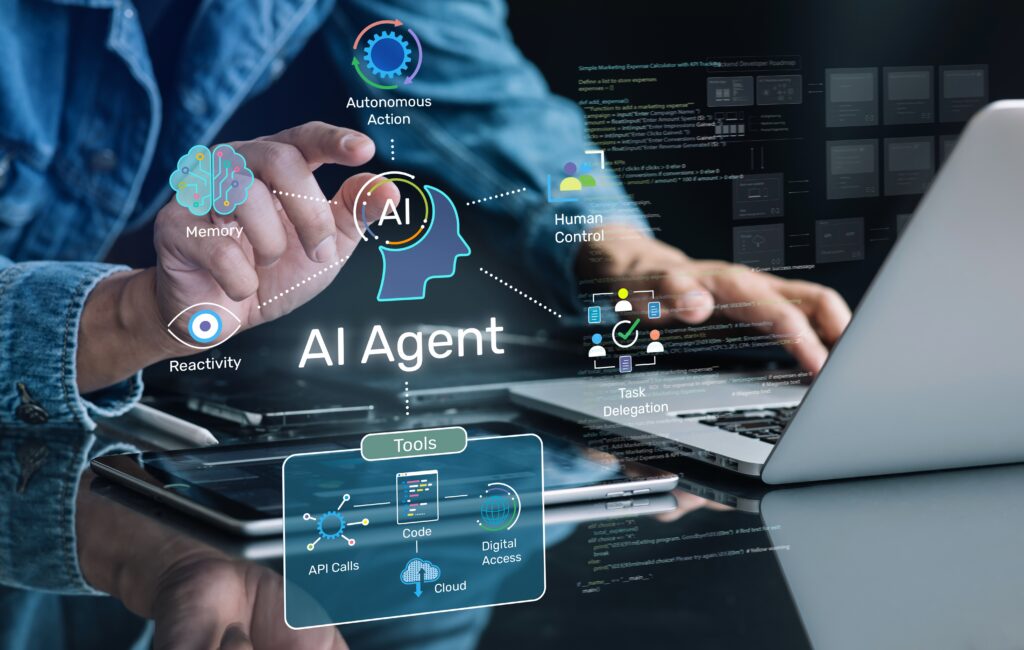

A series of February announcements shows Oracle expanding its presence in healthcare IT with AI-powered clinical tools, electronic health record (EHR) modernization, and cloud infrastructure projects across North America and the UK. The updates signal a broader strategy to embed artificial intelligence into care delivery workflows while standardizing clinical and operational platforms on Oracle Cloud.
AI Clinical Agent Expands Globally
Oracle Health’s Clinical AI Agent, Clinical Note, debuted in the US in 2025, and has since been adopted by hundreds of healthcare organizations. Oracle reports the tool has contributed to significant time savings for physicians – amounting to over 200,000 hours – and has shortened documentation time per patient by roughly 40%.
Clinical Note is now available in the UK following pilots at several NHS trusts, according to Oracle. The ambient voice- and screen-driven assistant drafts patient notes automatically, helping clinicians reduce administrative work and focus more on patient interaction.
“Our clinicians who have been using the Oracle Health Clinical AI Agent have been able to document the patient visit and sign the clinic note in real-time,” said Sarah Jensen, group chief informatics officer, Barts Health NHS Trust. “They just need to download the app on their phone, place it near the patient to record the conversation, and this is processed in the trust system to strip out any chat that is not relevant to diagnosis or treatment.”
Adoption is also expanding in Canada. Lumeo Regional Health Information System, which represents multiple healthcare providers in Southeastern Ontario, selected the Clinical AI Agent for a pilot aimed at streamlining documentation and reducing physicians’ administrative workload so they can devote more time to care.
“Administrative burden is a significant pressure eroding clinical practice—stealing time, fragmenting attention, and undermining clinician well‑being. Artificial Intelligence holds promise to improve clinician experience and remove low‑value tasks,” said Dr. Siddhartha Srivastava, chief medical information officer, Lumeo.
Echoing similar concerns about clinician workload, Seema Verma, executive vice president and general manager of Oracle Health and Life Sciences, said the industry faces mounting staffing pressures and rising administrative demands. She noted that embedding AI into clinical workflows is intended to ease documentation burdens, help reduce burnout, and enable providers to spend more time on direct patient care.
Cloud Infrastructure Modernization Supports AI Adoption
In the US, Oracle Cloud Infrastructure has been selected to support the Centers for Medicare and Medicaid Services’ modernization initiative, underscoring Oracle’s growing role in large-scale government healthcare cloud projects.
Texas-based Hillsboro Health hospital also plans to transition from legacy systems to the Oracle Health Foundation EHR while deploying the Clinical Note and Oracle Health Seamless Exchange. The initiative is designed to unify records, automate clinical documentation, and improve care coordination across its network.
In Canada, five hospitals supported by Transform Shared Service Organization (TSSO) in Ontario have improved EHR performance and usability after moving to Oracle Cloud Infrastructure (OCI), positioning the organizations to scale operations and adopt new AI-powered technologies.
Strategic Implications for Enterprise Technology
The recent announcements reflect Oracle’s push to converge AI, EHR platforms, and cloud infrastructure into a unified healthcare stack. Automation of documentation, integrated patient records, and standardized systems are emerging as core themes as providers seek to improve clinician productivity and patient outcomes.
For ERP and enterprise technology leaders, the developments underscore a continued blurring of lines between clinical and operational systems. Healthcare organizations are increasingly prioritizing platforms that support both care delivery and back-office transformation through integrated data environments, automation, and scalable cloud architecture.
What This Means for ERP Insiders
Healthcare AI is becoming an enterprise platform decision. As clinical systems adopt embedded AI, ERP leaders must evaluate how these tools integrate with finance, workforce, and supply chain data to avoid creating new silos.
Cloud is now the foundation for healthcare modernization. Large-scale OCI deployments signal that future ERP-adjacent workloads, from procurement to asset management, will increasingly rely on scalable cloud infrastructure.
Operational and clinical data strategies are converging. Organizations that unify EHR and enterprise datasets will be better positioned to support advanced analytics, automation, and cross-functional decision-making.