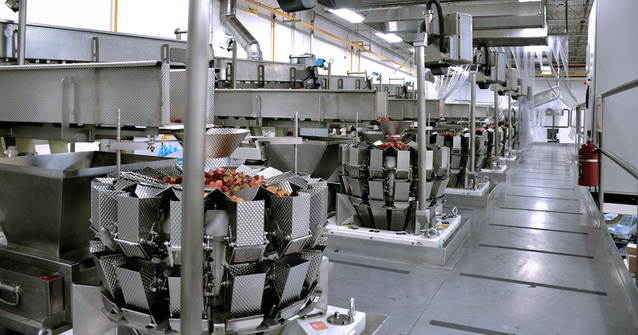
Oracle and NetSuite are betting that restaurants are ready to run their businesses on a single AI-enhanced platform with NetSuite Restaurant Operations. It is designed to unify inventory, procurement, scheduling, production and cash management in one suite that connects directly to Oracle Simphony Cloud and other point-of-sale systems.
Analysis
What This Means for ERP Insiders
AI-native vertical suites will define future ERP competition. Oracle NetSuite Restaurant Operations shows how deeply vendors can embed AI across an industry-specific stack, challenging generic ERP and point solutions that still depend on manual integration to deliver end-to-end value.
AI-Powered Control for Multi-Location Operators
Restaurant Operations is built on NetSuite’s AI-powered business system, meaning common tasks like consolidating sales, updating inventory levels and reconciling cash positions can be automated across locations. For operations leaders, that shifts the daily workload from pulling reports out of separate purchasing, payroll and finance tools to monitoring AI-driven dashboards that highlight exceptions, trends and predicted stock issues.
The platform provides embedded AI toolsets that analyze transaction data to identify demand patterns, forecast inventory needs and recommend purchasing actions. That can reduce food waste, cut stockouts and tighten cost control, especially for chains juggling volatile demand and menu complexity. Store managers gain real-time visibility into labor and material costs, while finance teams see consolidated P&L views without waiting for manual uploads.
Built on more than 25 years of Oracle and NetSuite hospitality experience, Restaurant Operations is aimed at everything from single-site startups to global franchises. It supports localization in more than 110 countries, 190 currencies and 27 languages, an important consideration for brands expanding across borders or operating franchise models that need consistent processes but flexible reporting.
Analysis
What This Means for ERP Insiders
Unified restaurant platforms will shrink integration-heavy architectures. By tying POS, inventory, scheduling and cash management to one NetSuite core, Oracle is signaling that hospitality buyers will favor tightly coupled suites over mosaics of separate apps, reshaping partner and ISV ecosystems.
Simplifying Tech Stacks and Decision Making
Oracle executives stress that restaurant and hospitality leaders have historically relied on a patchwork of systems to manage inventory, purchasing, finance and other critical processes. By bringing those workflows into a unified, AI-enhanced platform, Restaurant Operations aims to reduce integration complexity and data reconciliation work that often falls on IT and field operators.
For CIOs, the tight integration with Oracle Simphony Cloud means POS data flows directly into back-office processes without custom interfaces, while open support for third-party POS systems gives more flexibility for mixed estates. This architecture lets technology teams standardize on a single data model and set of APIs, making it easier to roll out new analytics, AI assistants or mobile tools across brands and regions.
Evaluation criteria for buyers in this category now go beyond standard restaurant ERP features. Oracle and NetSuite are positioning AI governance, scalability across hundreds of locations and the ability to surface operational trends quickly as key differentiators. Leaders should examine how well the platform handles multi-entity financials, franchise reporting, and brand-specific rules while still enforcing common controls and KPI definitions.
Because Restaurant Operations is part of the broader NetSuite ecosystem, restaurant groups can extend into areas like procurement contracts, workforce management and advanced analytics without assembling a new vendor stack. That gives technology executives a clearer modernization path that aligns back-office consolidation, AI adoption and international growth.
Analysis
What This Means for ERP Insiders
Real-time operations data will steer product strategy and AI roadmaps. The focus on consolidating multi-location performance metrics into AI-driven dashboards highlights how restaurant ERP success will hinge on continuous insight delivery, influencing how vendors prioritize data models, governance controls and agentic automation capabilities.