EMEA

6 Steps to Build an AI-Ready Finance Team
With AI dominating the business agenda, CFOs and finance leaders are being called on to do more than crunch numbers—they're expected to steer enterprise-wide innovation. But as breakthrough technologies reshape the finance landscape, one truth becomes clear: success hinges on your team’s ability to keep up. Facing a persistent talent shortage and an evolving skills gap, there’s never been a better moment to reassess your finance talent strategy. From finding valuable AI use cases to upskilling your current team, finance leaders must take action now to ensure their departments are ready for what’s next. Join this session for practical steps to build an AI-ready finance organization—starting with the talent behind the tech. In this session, you’ll learn how to: Understand the impact of AI on the finance industry and its potential to transform daily tasks and operations. Explore talent acquisition strategies focused on the skills needed in an AI-driven environment. Discover how AI-powered tools can automate routine finance tasks, improve efficiency, and enhance overall productivity. Recognize the role of AI in enabling finance teams to focus on strategic work—including AI-generated narratives, anomaly detection, and predictive modeling. This ERP Today live session will cover how DuPont were able to substantially reduce IT costs by decommissioning legacy infrastructure, eliminate compliance and cybersecurity risks with audit-proof access to historical data, streamline global system architecture, reduce complexity, and eliminate technical debt. Despite the goals, the entire project was completed in just 12 months, an industry-record timeline for a project of this scale. In addition, the project delivered significant gains in energy efficiency in support of ESG targets. By attending this session, you will be able to: Identify the financial, compliance, and cybersecurity risks associated with continuing to run outdated SAP ECC systems. Explain how legacy system retirement can reduce IT operating costs by up to 80% while maintaining audit-proof data access. Describe the key steps and best practices in executing a large-scale SAP system decommissioning project without disrupting business operations. Assess how a platform-based approach like JiVS IMP can simplify IT landscapes and support long-term data governance and ESG goals.
6 Steps to Build an AI-Ready Finance Team
With AI dominating the business agenda, CFOs and finance leaders are being called on to do more than crunch numbers—they're expected to steer enterprise-wide innovation. But as breakthrough technologies reshape the finance landscape, one truth becomes clear: success hinges on your team’s ability to keep up. Facing a persistent talent shortage and an evolving skills gap, there’s never been a better moment to reassess your finance talent strategy. From finding valuable AI use cases to upskilling your current team, finance leaders must take action now to ensure their departments are ready for what’s next. Join this session for practical steps to build an AI-ready finance organization—starting with the talent behind the tech. In this session, you’ll learn how to: Understand the impact of AI on the finance industry and its potential to transform daily tasks and operations. Explore talent acquisition strategies focused on the skills needed in an AI-driven environment. Discover how AI-powered tools can automate routine finance tasks, improve efficiency, and enhance overall productivity. Recognize the role of AI in enabling finance teams to focus on strategic work—including AI-generated narratives, anomaly detection, and predictive modeling. This ERP Today live session will cover how DuPont were able to substantially reduce IT costs by decommissioning legacy infrastructure, eliminate compliance and cybersecurity risks with audit-proof access to historical data, streamline global system architecture, reduce complexity, and eliminate technical debt. Despite the goals, the entire project was completed in just 12 months, an industry-record timeline for a project of this scale. In addition, the project delivered significant gains in energy efficiency in support of ESG targets. By attending this session, you will be able to: Identify the financial, compliance, and cybersecurity risks associated with continuing to run outdated SAP ECC systems. Explain how legacy system retirement can reduce IT operating costs by up to 80% while maintaining audit-proof data access. Describe the key steps and best practices in executing a large-scale SAP system decommissioning project without disrupting business operations. Assess how a platform-based approach like JiVS IMP can simplify IT landscapes and support long-term data governance and ESG goals.
How Innovation and Responsibility Drive a Sustainable Future This Earth Day
How Innovation and Responsibility Drive a Sustainable Future
Earth Day 2023 emphasizes our duty to protect the planet under the theme 'Our Power, Our Planet,' showcasing how responsible technological innovations, particularly in AI and sustainable practices exemplified by companies like IFS and Start Campus, can lead the way towards a greener future.
SAP Legacy System Retirement in Record Time: How DuPont, Accenture & JiVS Did It Fast
DuPont, a global Fortune 500 leader in science and innovation, faced a complex and fragmented IT landscape after years of mergers, divestitures, and organizational change. The challenges of maintaining 17 separate legacy SAP systems, primarily for compliance purposes, were becoming unsustainable. The operational costs involved in supporting these obsolete systems were escalating, systems faced increased cybersecurity exposure, outdated hardware was causing energy inefficiencies, new global compliance requirements needed to be met, and the amount of technical debt had resulted in an overall lack of IT agility. To address these challenges, DuPont launched a bold initiative: retire all 17 legacy SAP systems and archive more than 50 terabytes of historical data, including hundreds of ADK and archival files, without compromising compliance, auditability, or business continuity. Together with Accenture and powered by JiVS Information Management Platform (IMP) from Data Migration International, the company achieved results few believed possible. This ERP Today live session will cover how DuPont were able to substantially reduce IT costs by decommissioning legacy infrastructure, eliminate compliance and cybersecurity risks with audit-proof access to historical data, streamline global system architecture, reduce complexity, and eliminate technical debt. Despite the goals, the entire project was completed in just 12 months, an industry-record timeline for a project of this scale. In addition, the project delivered significant gains in energy efficiency in support of ESG targets. By attending this session, you will be able to: Identify the financial, compliance, and cybersecurity risks associated with continuing to run outdated SAP ECC systems. Explain how legacy system retirement can reduce IT operating costs by up to 80% while maintaining audit-proof data access. Describe the key steps and best practices in executing a large-scale SAP system decommissioning project without disrupting business operations. Assess how a platform-based approach like JiVS IMP can simplify IT landscapes and support long-term data governance and ESG goals.
Why SMBs Should Prioritize ERP Systems in Their Technology Roadmaps
Small and medium-sized businesses are increasingly adopting Enterprise Resource Planning (ERP) systems to streamline operations, improve efficiency, enable data-driven decision-making, and support growth while overcoming challenges associated with managing limited resources and complex processes.
Select Accelerating Digital Impact: Inetum and SAP Drive Future-Ready Transformation Accelerating Digital Impact: Inetum and SAP Drive Future-Ready Transformation
Accelerating Digital Impact: Inetum and SAP Drive Future-Ready Transformation
Inetum, a European leader in digital services, is enhancing its strategic partnership with SAP under new leadership to drive agile, AI-integrated business outcomes, while prioritizing clean data governance, pragmatic cloud transformation, and the importance of human-centered processes.
SAP Legacy System Retirement in Record Time: How DuPont, Accenture & JiVS Did It Fast
DuPont, a global Fortune 500 leader in science and innovation, faced a complex and fragmented IT landscape after years of mergers, divestitures, and organizational change. The challenges of maintaining 17 separate legacy SAP systems, primarily for compliance purposes, were becoming unsustainable. The operational costs involved in supporting these obsolete systems were escalating, systems faced increased cybersecurity exposure, outdated hardware was causing energy inefficiencies, new global compliance requirements needed to be met, and the amount of technical debt had resulted in an overall lack of IT agility. To address these challenges, DuPont launched a bold initiative: retire all 17 legacy SAP systems and archive more than 50 terabytes of historical data, including hundreds of ADK and archival files, without compromising compliance, auditability, or business continuity. Together with Accenture and powered by JiVS Information Management Platform (IMP) from Data Migration International, the company achieved results few believed possible. This ERP Today live session will cover how DuPont were able to substantially reduce IT costs by decommissioning legacy infrastructure, eliminate compliance and cybersecurity risks with audit-proof access to historical data, streamline global system architecture, reduce complexity, and eliminate technical debt. Despite the goals, the entire project was completed in just 12 months, an industry-record timeline for a project of this scale. In addition, the project delivered significant gains in energy efficiency in support of ESG targets. By attending this session, you will be able to: Identify the financial, compliance, and cybersecurity risks associated with continuing to run outdated SAP ECC systems. Explain how legacy system retirement can reduce IT operating costs by up to 80% while maintaining audit-proof data access. Describe the key steps and best practices in executing a large-scale SAP system decommissioning project without disrupting business operations. Assess how a platform-based approach like JiVS IMP can simplify IT landscapes and support long-term data governance and ESG goals.
IT Transformation Trends 2025
Leanne Taylor to Drive SYSPRO’s Global Growth as Chief Revenue Officer
SYSPRO has appointed Leanne Taylor as its new Chief Revenue Officer to drive revenue growth, enhance customer success, and expand international reach, aligning with the company's strategic focus on cloud solutions and innovation following its acquisition by Advent.
SAP S/4HANA
Inoapps Appoints Jens Lindenberg to Spearhead Major EMEA Expansion
Inoapps is strategically expanding its presence in Europe, the Middle East, and Africa by appointing Jens Lindenberg as Senior Vice President to drive growth in key markets, particularly targeting cloud-based Oracle ERP and HCM services to enhance operational efficiency for businesses across the region.
Why ERP Cloud Migrations Demand a New Approach to Testing
Migrating ERP systems to the cloud promises greater agility and innovation but introduces complexities that necessitate a continuous, business-driven testing strategy, which can be effectively managed with tools like Original Software that empower non-technical users and facilitate ongoing process validation.
Lift-and-Shift ERP Strategies NTT DATA and Microsoft
Strategies for Success while Navigating the ERP Journey
Webinar On-Demand Embarking on an ERP implementation can be daunting, but with the right guidance and experience, it can transform your business operations. In this webinar, we explore the critical evaluation phase of an ERP journey, addressing key questions and challenges organizations face when selecting the right vendor and systems integrator. Drawing from real customer experiences, we share practical examples, lessons learned, and how to avoid common pitfalls. By watching, you’ll receive expert advice on mitigating the risks associated with ERP projects and making informed decisions that set your organization up for success. This is an opportunity to learn from professionals who are deeply immersed in these projects every day. Watch this session to: Understand what to look for when selecting an ERP Vendor. Learn about the right questions to ask, and common questions that can lead you down the wrong path. Explore the risks associated with ERP projects, helping ensure greater success.
Lift-and-Shift ERP Strategies NTT DATA and Microsoft
Strategies for Success while Navigating the ERP Journey
Embarking on an ERP implementation can be daunting, but with the right guidance and experience, it can transform your business operations. In this webinar, we explore the critical evaluation phase of an ERP journey, addressing key questions and challenges organizations face when selecting the right vendor and systems integrator. Drawing from real customer experiences, we share practical examples, lessons learned, and how to avoid common pitfalls. By watching, you’ll receive expert advice on mitigating the risks associated with ERP projects and making informed decisions that set your organization up for success. This is an opportunity to learn from professionals who are deeply immersed in these projects every day. Watch this session to: Understand what to look for when selecting an ERP Vendor. Learn about the right questions to ask, and common questions that can lead you down the wrong path. Explore the risks associated with ERP projects, helping ensure greater success.
What Is ERP (Enterprise Resource Planning) And How Does It Work?
This article discusses the significance of enterprise resource planning (ERP) software for businesses, emphasizing its role in integrating and streamlining various departments to enhance efficiency, data visibility, and decision-making amid common organizational challenges.
Power Your Business with Aptean
The video highlights industry-specific software solutions that enhance business operations and growth across various sectors, featuring AI capabilities for precision and adaptability.
The Impact of AI in the Food and Beverage Industry: An Expert Q&A With Benny Dor and Chad Merck
The article discusses the transformative impact of AI on the food and beverage industry, highlighting its potential to automate processes, improve decision-making, and drive sustainability, while Aptean collaborates with Microsoft to integrate AI capabilities into its ERP systems and support companies in overcoming adoption challenges.
Unlock the Next Level of Inventory Management with GS1 Standards
Consumer and regulatory pressures are driving the need for enhanced food traceability from farm to table, necessitating global standards like the Global Trade Item Number (GTIN) to fully realize the benefits of the Food Traceability Final Rule under the Food Safety Modernization Act.
Rootstock Launches Summer ’25 Release with AI Agent, New Data Grid, and Expanded Financials
Mastering Data Readiness for Generative AI Success
In today’s AI-driven landscape, businesses struggle with data readiness—poor quality, limited volume, and ethical constraints threaten the success of generative AI initiatives. In addition, questions are frequently asked about improving data quality, what to do with limited data volume, and how to address ethical constraints that threaten the success of generative AI initiatives. This session will explore why these challenges can lead to biased, inaccurate, or outdated outputs that erode customer trust and ROI. By attending this session, you will: Learn strategies to ensure high-quality, diverse datasets that power reliable AI outcomes. Discover how to streamline preprocessing, scale infrastructure, and maintain current data in a compliant way. Leave with insights to transform your data into a competitive edge for Generative AI innovation.
Mastering NetSuite ARM
First Water Finance Accelerates FP&A Data Transformation with CData Sync and Microsoft Fabric
First Water Finance leverages CData Sync to streamline financial planning and analysis (FP&A) processes for their clients, dramatically reducing data integration time and friction, building a central source of truth for analytics, and enabling incremental performance visibility through Microsoft Fabric's OneLake.
Global Pharma Biz Streamlines Global Data Operations
Recordati streamlined global data operations with CData Sync, enabling automated data integration across SAP, Salesforce, and Microsoft, driving 31% annual revenue growth.
CData Connectivity Solutions for the Oracle Ecosystem
An overview of how CData Software facilitates connectivity within the Oracle ecosystem
CData Foundations 2024 – Implementing Scalable ERP Integrations with SrinSoft
This session will feature CData's professional services partner SrinSoft, sharing how our partnership enables businesses to rapidly implement data integrations and reduce time-to-market. SrinSoft brings deep expertise in operational systems like SAP, Dynamics365 and NetSuite, and together with CData technology, our teams have supported businesses in building scalable data architectures.
Turning Manufacturing Data into Competitive Advantage with CData
Upstream Streamlines Financial Reporting and Optimizes Budget with CData Connect Cloud
Cloud-based data connectivity helps the non-profit healthcare organization share live financial reports with regional leadership, allowing them to finetune budgets and grow operations.
Randstad Leverages CData to Enable Easy Salesforce Migration and ERP Integration
As the HR service organization migrated their CRM, they leaned on CData to easily integrate and access client information within their existing ERP.
SAP ETL/ELT Data Pipeline
CData Sync provides a straightforward way to continuously pipeline your SAP ERP/NetWeaver data to any Database, Data Lake, or Data Warehouse, making it easily available to Analytics, Reporting, AI, and Machine Learning.
SAP Drivers & Connectors for Data Integration
Connect with SAP R/3 and SAP ERP from reporting tools, databases, and custom applications through standards-based drivers. Easily integrate SAP data with BI, Reporting, Analytics, ETL Tools, and Custom Solutions.
From GLWand to GLSense: Transforming Financial Reporting for Oracle Fusion Cloud ERP with AI-Powered Excel Integration
As organizations shift from Oracle E-Business Suite to Oracle Fusion Cloud ERP, the migration leaves a gap in Excel-based financial reporting previously filled by GLWand, which is now addressed by Orbit GLSense, a modern reporting solution that combines intuitive Excel integration, AI-powered insights, and cloud architecture to enhance financial analysis and decision-making.
Orbit Analytics: User Demo Recap
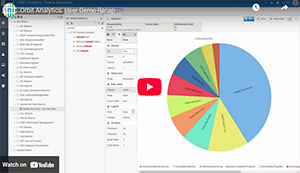
In a video demonstration, pre-sales engineer Rick showcases Orbit’s reporting and analytics software features, highlighting report creation, sharing, visualization, and dashboard functionality using an Excel dataset.
Optimize Accounts Payables with Orbit Analytics for Oracle Fusion Cloud
Orbit Analytics enhances the management of accounts payables for businesses using Oracle Fusion Cloud Applications by providing seamless data integration, prebuilt KPIs, and real-time reporting, ultimately improving financial decision-making and supplier relationships.
Drive Success with Optimized Data Management
Effective data aggregation and management, exemplified by Orbit's user-friendly tools and comprehensive data security measures, are crucial for businesses to gain actionable insights and maintain competitive advantage in today's data-driven landscape.
IFS Valuation Soars Past €15 B on Major Investment & Strong Growth
IFS Valuation Soars Past €15B on Major Investment & Strong Growth
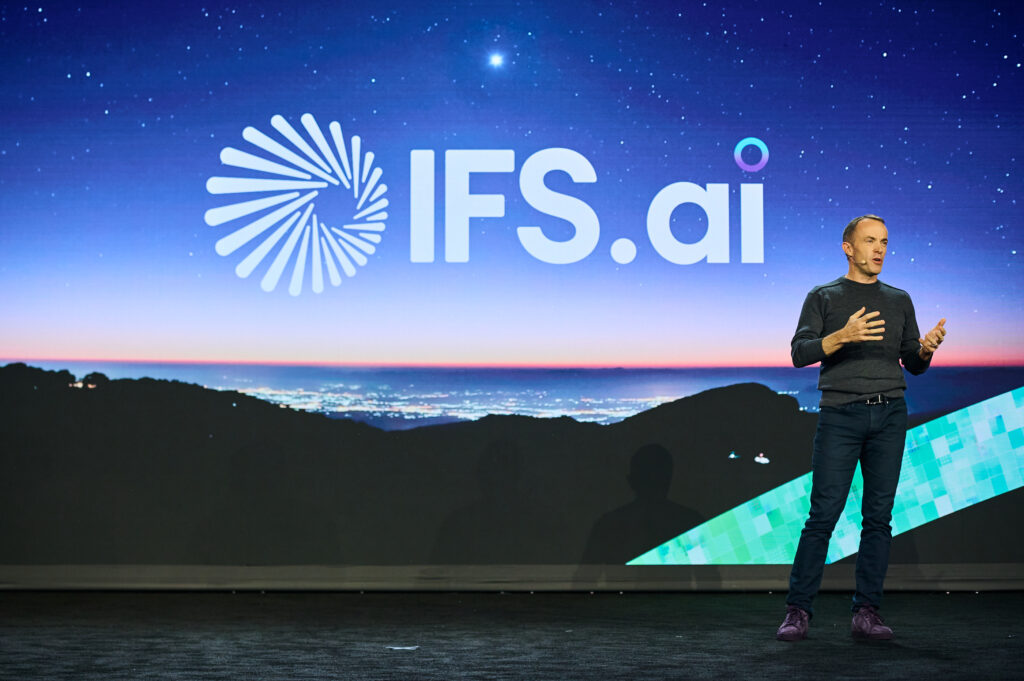
IFS has surpassed a valuation of €15 billion driven by strong financial performance and a strategic pivot towards AI; major investors including Hg and EQT are backing the company amid rising demand for its Industrial AI solutions across key sectors like Aerospace, Energy, and Manufacturing.