Maersk has migrated its SAP landscape to Microsoft Azure, replatforming 500 servers from legacy data centers to improve cost efficiency, operational resilience, and scalability for AI-driven logistics.
The move, completed with near 100 percent uptime and zero incidents, reflects how the company is repositioning its ERP backbone as a foundation for real-time data and intelligent operations.
The transformation shifts SAP from a system of record to a platform for continuous optimization, enabling faster decision-making, improved visibility across supply chains, and a more flexible cost structure aligned to business demand.
Analysis
What This Means for ERP Insiders
Cloud ERP modernization is becoming a financial and operational lever. Leaders are not just moving SAP to the cloud for scalability, but to unlock cost transparency and shift spend from maintenance to innovation-driven initiatives.
Legacy Complexity and Cost Pressure of Global Logistics at Scale
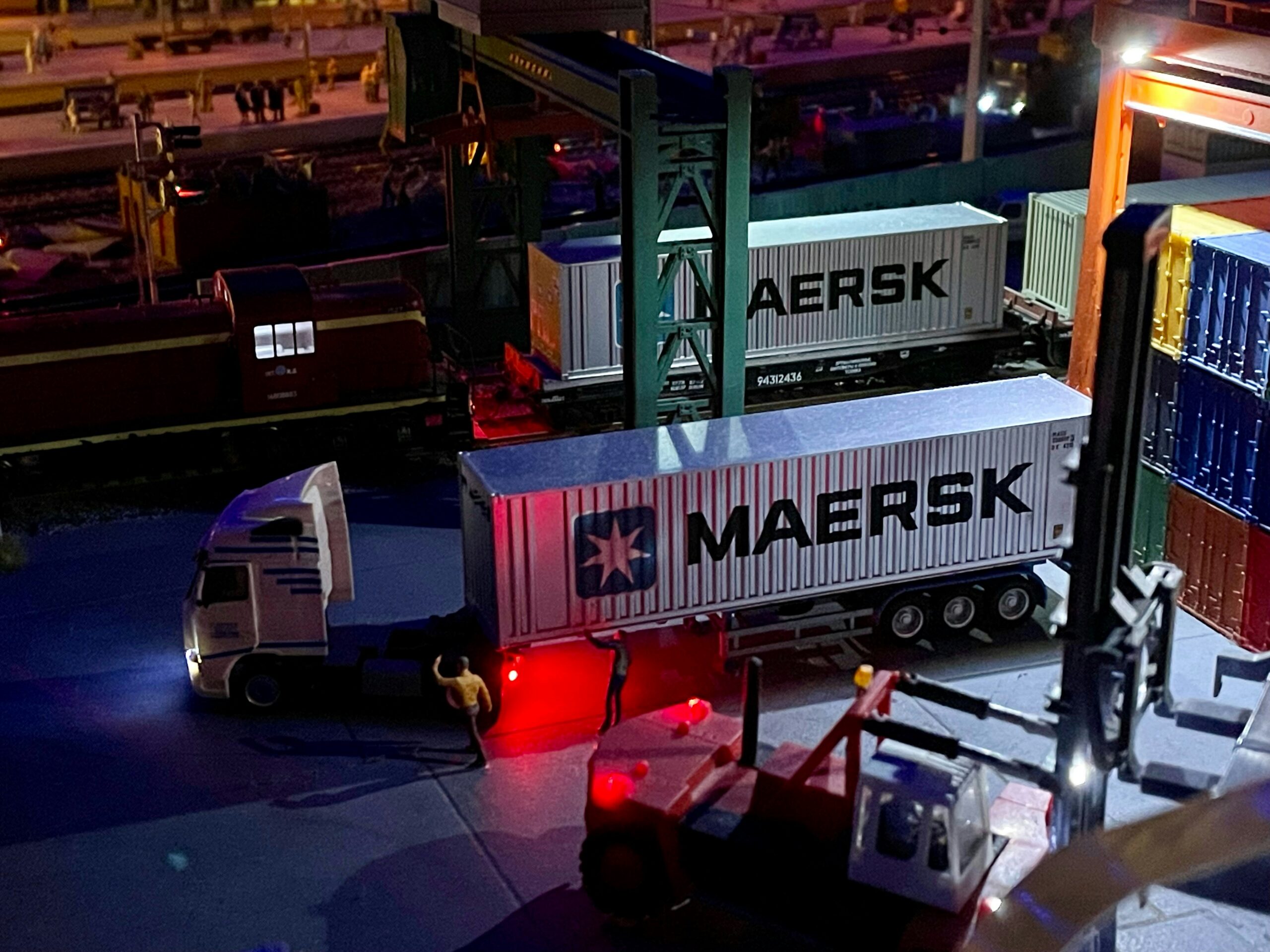
A.P. Moller – Maersk operates one of the world’s largest integrated logistics networks, managing complex global supply chains that depend on highly available, data-intensive SAP systems.
Roman Kulczykowski, senior director, SAP Technology Platform and Platform Architecture, Maersk, said, “Our industry faces daily volatility—geopolitical, economic, and regulatory—which disrupts sourcing strategies and customer planning. Adding to this complexity is the data fragmentation across our partners and systems—a concern when every shipping transaction requires successful completion of the invoice before it moves on.”
The company faced increasing technical debt from legacy infrastructure, alongside rising operational costs and the need to maintain uptime for mission-critical logistics systems. Managing large-scale SAP environments across traditional data centers also limited agility and slowed innovation.
Need for Agility and Control
Maersk set out to upgrade its SAP ERP core without disrupting the thousands of live transactions that run its day-to-day operations.
Tony Clarke, senior engineering manager, SAP Technology Platform and Platform Architecture, Maersk, said, “We pride ourselves on our customer service—making new growth opportunities accessible to businesses of all sizes, all over the world. We do this by providing real-time information on our shipments, predictive analytics, and data insights, and that all takes a huge amount of data and data performance.”
Maersk approached the initiative as a broader infrastructure transformation rather than a lift-and-shift migration. The move to Azure was driven by the need to simplify operations, reduce reliance on third-party vendors, and give internal teams greater control over SAP environments.
Analysis
What This Means for ERP Insiders
Execution models are shifting toward internal engineering ownership. Organizations are building in-house capabilities to design and run SAP platforms, reducing dependency on vendors while accelerating change cycles and improving responsiveness to business needs.
Using Azure Blueprints as a governance tool and standardized deployment models, the company accelerated provisioning and reduced complexity, enabling faster and more consistent infrastructure deployment.
Speed, Stability, and Cost Efficiency
Post-migration, Maersk achieved near 100% uptime with zero incidents while significantly reducing infrastructure complexity.
“This wasn’t about unlocking new features,” Kulczykowski explained. “It was about remediating technical debt and reducing costs by using Azure. Every dollar saved from maintaining heritage systems is a dollar we can invest in innovation and customer-facing assets.”
The transition also improved security by replacing outdated systems with a more modern, Secure by Design architecture, strengthening compliance and resilience across its SAP estate. This shift meant Maersk’s own engineers could make changes directly, shorten decision cycles, and deploy improvements faster without relying on external partners.
With a modern SAP foundation on Azure, Maersk is better positioned to scale advanced analytics, automation, and AI-driven use cases, Clarke, said. The transformation supports real-time data processing, improved shipment visibility, and continued innovation in global logistics operations.
Building a Foundation for AI-Driven Logistics
The SAP-on-Azure modernization is part of Maersk’s broader digital transformation strategy, where cloud infrastructure serves as a foundation for advanced analytics, automation, and AI.
Maersk relies on real-time data, predictive analytics, and digital platforms to optimize global supply chains, improve shipment visibility, and enhance customer experience.
Maersk is also integrating Azure OpenAI in Foundry models with its SAP environment to support internal teams and improve service delivery. “We’re enabling our teams to ask SAP questions in natural language, such as ‘Where is my invoice? Has it been approved? Where is my container?’” Clarke said. The company is using AI to pull, enrich, and analyze data across systems, marking an early step toward more intelligent, data-driven operations.
Analysis
What This Means for ERP Insiders
AI value depends on modern, integrated ERP foundations. Investments in platforms like Azure and SAP are increasingly tied to enabling AI use cases, where clean data, real-time processing, and system interoperability determine the speed and scale of outcomes.