Agriculture technology company Syngenta has entered into a partnership with SAP to embed AI-driven capabilities into its core business and operational processes. The collaboration, announced on January 15, is focused on applying SAP Business AI across Syngenta’s digital landscape to improve decision-making, automate compliance-related workflows, and support predictive, data-driven operations at scale.
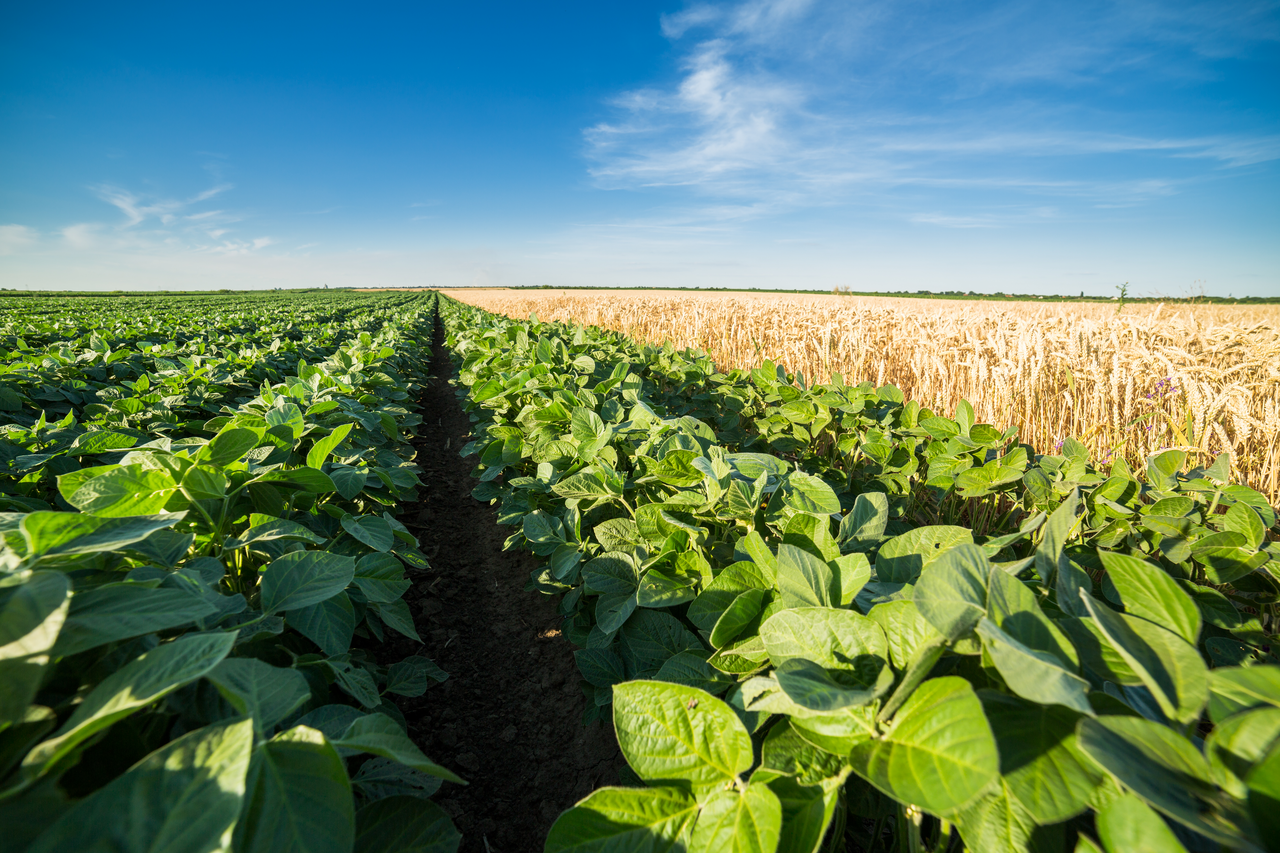
The Swiss-based company, which develops and sells seeds;, crop protection products like herbicides, fungicides, and insecticides; and digital farming solutions, is aiming to modernize manufacturing, secure supply chains, and foster sustainable food systems through this project.
Embedding AI into Agricultural Digital Core
Anchored by SAP Cloud ERP Private (formerly RISE with SAP), the initiative combines core ERP modernization with the deployment of AI-assisted tools to support more efficient innovation cycles and strengthen operational resilience across the business.
As part of this approach, Syngenta plans to begin by implementing SAP Business Data Cloud to support AI use cases across the organization. The platform is intended to provide a single, secure data foundation for real-time analysis and decision-making. Building on that foundation, the company will apply SAP Business AI across core operational areas, including product development, supply chain execution, regulatory processes, and farmer-facing services.
SAP Business AI is SAP’s approach to embedding AI directly into its enterprise applications and business processes, rather than offering AI as a separate or standalone layer. The framework applies machine learning, automation, and generative AI capabilities to SAP data and workflows, enabling tasks such as analysis, recommendations, and process support to occur within existing systems.
In practice, agricultural operations generate large volumes of both structured and unstructured data, including field conditions, weather information, regulatory records, and logistics data, which must be analyzed quickly to inform decisions. By combining SAP Business Data Cloud with SAP Business AI and the Joule copilot, Syngenta plans to apply this data more consistently across operations, supporting day-to-day decision-making and the rollout of new digital capabilities.
Within this framework, tools such as Joule serve as an interface layer, helping users access insights and recommendations based on enterprise data already governed within the SAP landscape. For Syngenta, this supports the delivery of products and services to growers globally while maintaining control over data access, security, and privacy.
What This Means for ERP Insiders
SAP customers are evaluating where AI should sit within their ERP systems. The Syngenta deployment reflects a growing focus on applying AI within ERP environments, where core operational data already resides. For enterprise architects, this reinforces the value of integrating AI capabilities directly into SAP Cloud ERP rather than managing intelligence through disconnected platforms or external analytics tools.
A clean ERP core is important for long-term flexibility. As organizations look to introduce AI and automation, the ability to keep the ERP core stable while extending functionality becomes critical. Syngenta’s approach highlights how SAP customers can use cloud ERP and platform-based extensibility to support innovation without increasing upgrade risk or system complexity.
Data governance and trust remain central to ERP-led AI strategies. The emphasis on data control and privacy in this project highlights a key consideration for ERP programs: AI adoption depends on trusted, governed enterprise data. For organizations planning similar initiatives, aligning AI capabilities with existing ERP data governance models will be essential to scale usage while meeting security and regulatory requirements.