Manufacturing Systems and Automation

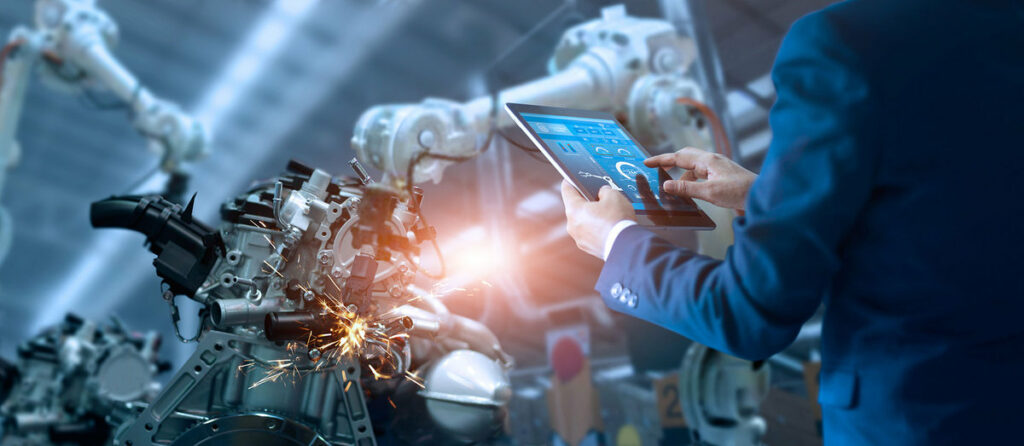
Enterprise Resource Planning (ERP) upholds Manufacturing Systems and Automation by smoothly integrating core functionalities. ERP optimizes production processes, inventory management, and supply chain operations. It provides real-time visibility into manufacturing workflows, facilitating informed decision-making. Through automation, ERP streamlines production scheduling, reduces lead times, and enhances resource utilization. With modules dedicated to quality control and compliance, ERP ensures adherence to industry standards. The integration of ERP with Manufacturing Systems enables data-driven insights, supporting predictive maintenance and minimizing downtime. By unifying manufacturing data, ERP fosters collaboration between departments, suppliers, and partners. This synergy helps organizations to achieve operational excellence, improve production efficiency, and respond adeptly to market demands, creating a robust foundation for success in the manufacturing industry.

a yellow paper plane travelling between obstacles on a blue background | Manufacturing roadblocks: Turning challenges into opportunities
Manufacturing roadblocks: Turning challenges into opportunities
How can technological advancements in the manufacturing industry help companies meet the economic and geopolitical obstacles head on?
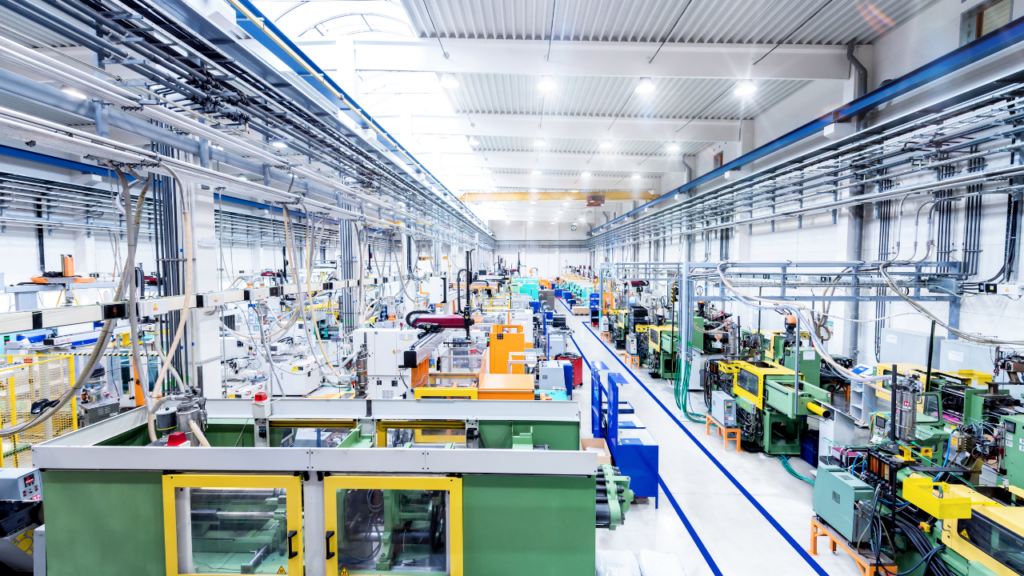
Landscape view of a factory with a lot of complex pipes and machinery throughout | smart factory Infor
Smart factory success rests in the Cloud (ERP)
Smart factories represent the next frontier in operational performance, combining human ingenuity, advanced technologies and data-driven insights. With data at the core, smart factories empower manufacturers to navigate the digital landscape and thrive in an increasingly competitive market.