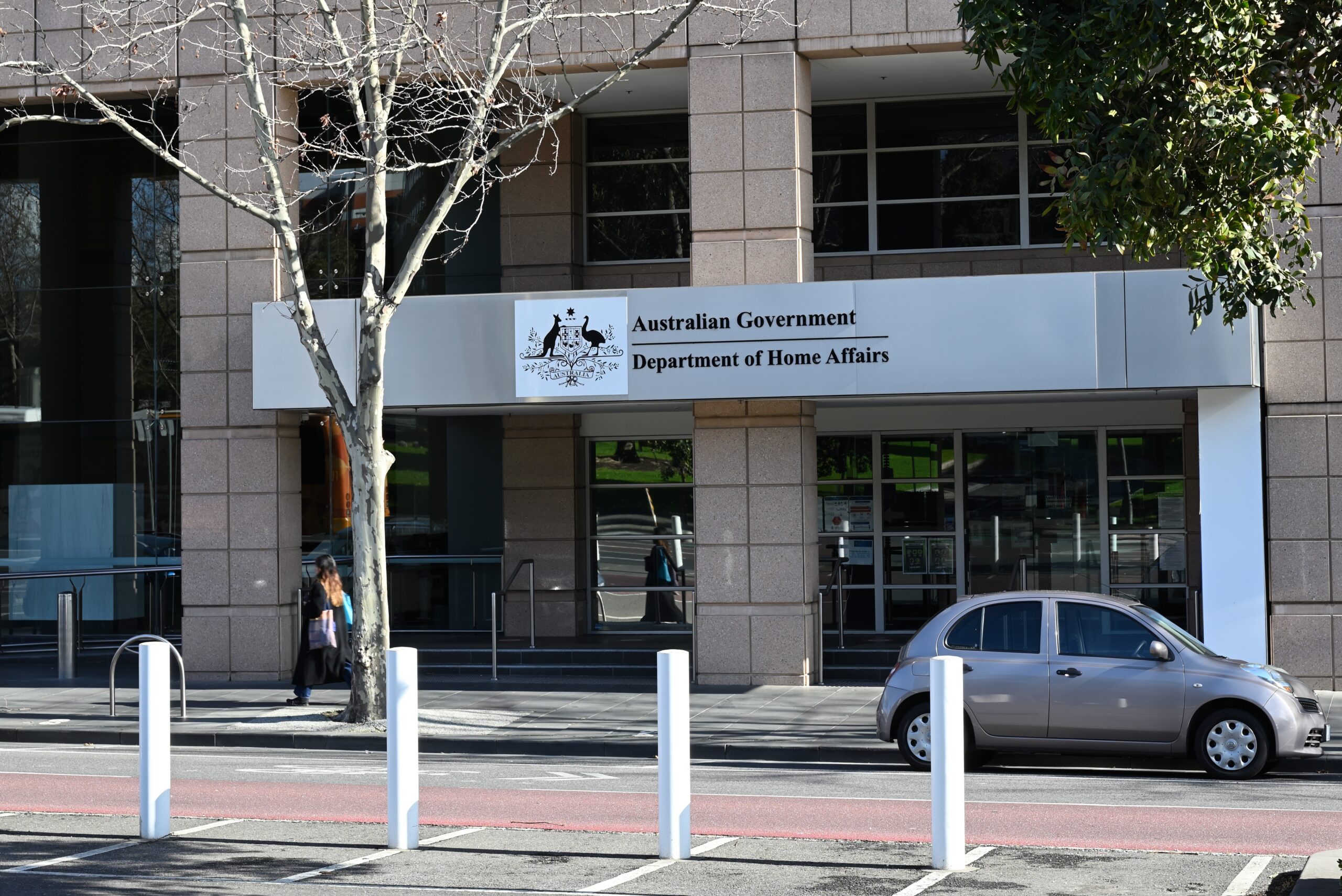
Australia’s Department of Home Affairs has started scoping the replacement of its SAP ECC6-based enterprise resource planning system, with the department seeking to replace the current system by December 2030.
iTnews reported on July 27 that Home Affairs has launched an ERP replacement readiness project and engaged consultancy Next Apex on a one-year A$6 million contract, approximately $4.2 million, to support the work. The project is still in its early stages and is intended to help the department assess its current systems, business processes, and future requirements before deciding on a target end state.
A Home Affairs spokesperson told iTnews that decisions on the replacement system will be informed by the readiness project and remain subject to government approval. The department has also indicated that it has not finalized a firm timeline beyond the current scoping exercise.
That makes the story especially relevant for SAP customers approaching the ECC6 deadline. SAP provides mainstream maintenance for SAP Business Suite 7 core applications until the end of 2027, followed by optional extended maintenance until the end of 2030. Home Affairs’ 2030 target places the department’s ERP replacement planning directly against that outer maintenance window.
Replacement Without an Automatic SAP Answer
Remaining within the SAP ecosystem and moving to S/4HANA is one option for Home Affairs, but iTnews reported that it is not the only option under consideration. That distinction matters because Australia’s current APS ERP approach gives departments and agencies autonomy to choose systems that meet their specific needs.
The Department of Finance says the APS ERP approach is based on choice, market competition, and affordability, allowing non-corporate Commonwealth entities to modernize ERP systems using technology and vendors that best fit their needs and budgets.
That choice model is already showing up elsewhere. iTnews reported last week that the Department of Infrastructure, Transport, Regional Development, Communications, Sport and the Arts hired Accenture on a three-year A$38.8 million (approximately $27.1 million) contract to replace its SAP ECC6 ERP with a new system based on Workday and ServiceNow.
The contrast gives Home Affairs’ scoping exercise broader significance. This is not only a question of whether a large federal agency will move from ECC6 to S/4HANA. It is also a test of how public-sector ERP buyers weigh continuity, modernization, cloud strategy, process fit, implementation risk, and vendor choice as SAP deadlines approach.
Get Our Free Weekly Newsletter
Public-Sector ERP Lessons
Home Affairs is also collaborating with other departments and agencies to understand their experiences upgrading from ECC6 and to share artifacts and lessons learned, according to iTnews.
That cross-agency learning will be important because public-sector ERP modernization rarely starts from a clean slate. Departments have legacy integrations, security requirements, procurement rules, finance and HR processes, reporting obligations, and business-critical workflows that can make replacement programs slow to scope and difficult to govern.
The Home Affairs project shows why readiness work is becoming a more visible phase of ERP modernization. Before agencies can select a new platform, they need to understand the current process landscape, the cost of change, the integration estate, the data cleanup burden, and the operating model they want after migration.
Sponsor Industry‑Grade Research
What This Means for ERP Insiders
SAP ECC6 replacement is becoming a target-state decision, not just a migration decision. Public-sector organizations need to decide whether the future core should preserve SAP continuity, move to a different cloud ERP model, or split capabilities across multiple platforms. For CIOs and program leaders, readiness work should test business requirements before vendor preference hardens into program design.
The 2030 window creates planning pressure without removing execution risk. Extended maintenance can give organizations more time, but it does not simplify process redesign, data migration, testing, integration, change management, or approvals. For SAP customers still in scoping mode, the practical risk is using the extra time for delay instead of decision-making.
Government ERP modernization is becoming more modular and comparative. Australia’s APS approach gives agencies room to select systems around their own needs, which increases vendor competition but also raises the burden of architecture discipline. For ERP vendors, systems integrators, and public-sector buyers, the next challenge is proving that a chosen platform can support agency-specific operations while still enabling reusable lessons across government.