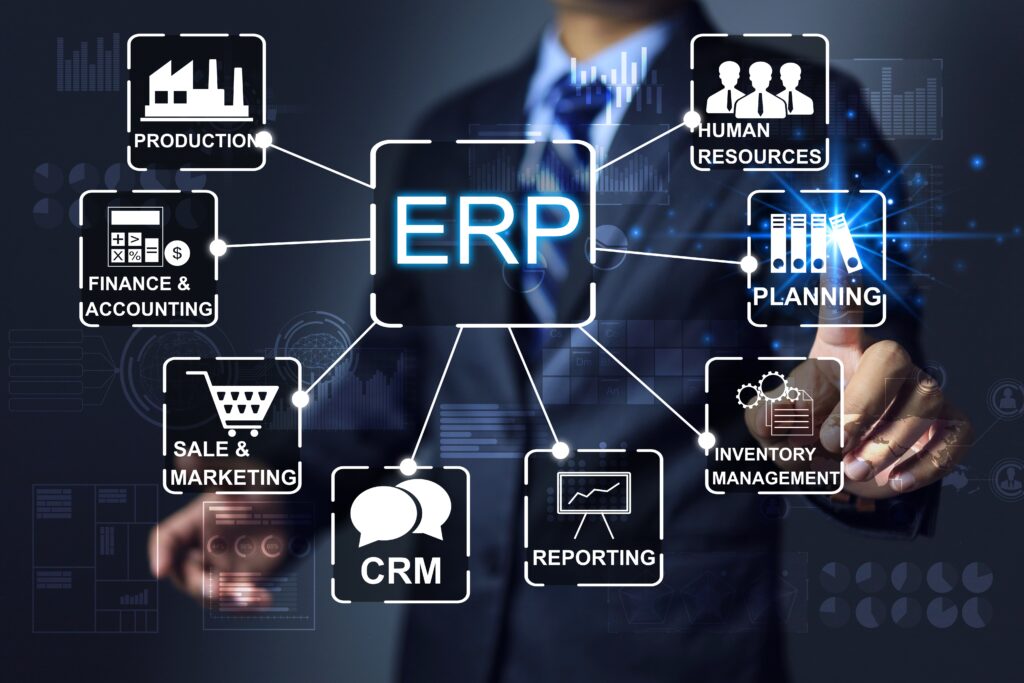

South Korean lifestyle company LF Corp. has chosen Rimini Street to provide third-party support for its SAP ERP and Oracle Database systems, as it looks to reduce maintenance costs and redirect IT spending toward ongoing business transformation, Rimini Street said Feb. 3.
The agreement covers support for SAP ECC 6.0 and Oracle Database environments, enabling LF to consolidate maintenance under a single provider while enhancing operational stability and accelerating innovation initiatives, Rimini Street said on Feb 3.
Customization and Rising Costs Prompted ERP Support Rethink
Founded in 1974, LF operates across fashion, accessories, food and beverage, e-commerce, and other lifestyle segments in South Korea. The company sought a new support model amid rising IT maintenance expenses, declining vendor support quality, and the operational demands of a major data-center relocation.
Under its previous vendor arrangement, costs increased annually while technical responsiveness slowed. LF determined that switching to Rimini Support would help lower expenses while improving service levels.
In creating systems tailored to its specific business processes, LF has been running a highly customized SAP ERP environment supported by Oracle databases. By moving to Rimini Street, the company will gain a unified framework for issue resolution, performance optimization, and continuous improvement across its enterprise software landscape.
From Maintenance Spend to Strategic Investment
During the company’s complex data center move, Rimini Street provided a dedicated support engineer and onsite assistance to help maintain uninterrupted operations during critical transition periods.
Dongwon Lee, LF CIO, said, “The implementation of Rimini Street has resulted in real and tangible cost savings, freeing us from the burden of current maintenance costs and giving us the opportunity to focus on strategic IT investments.”
Those savings are funding a broader business process innovation initiative, including optimization of the merchandise planning system and key ERP modules to improve efficiency and align with corporate strategy.
What This Means for ERP Insiders
Third-party support can extend ERP value. Organizations running stable SAP environments may use alternative support models to reduce maintenance costs while continuing to operate core systems without immediate pressure to migrate.
Savings can fund modernization initiatives. Redirecting support spend toward innovation projects allows IT leaders to prioritize process improvements, data initiatives, and customer-facing capabilities.
Operational stability remains critical during transitions. Dedicated support resources can help enterprises manage infrastructure moves and other complex changes without disrupting business operations.