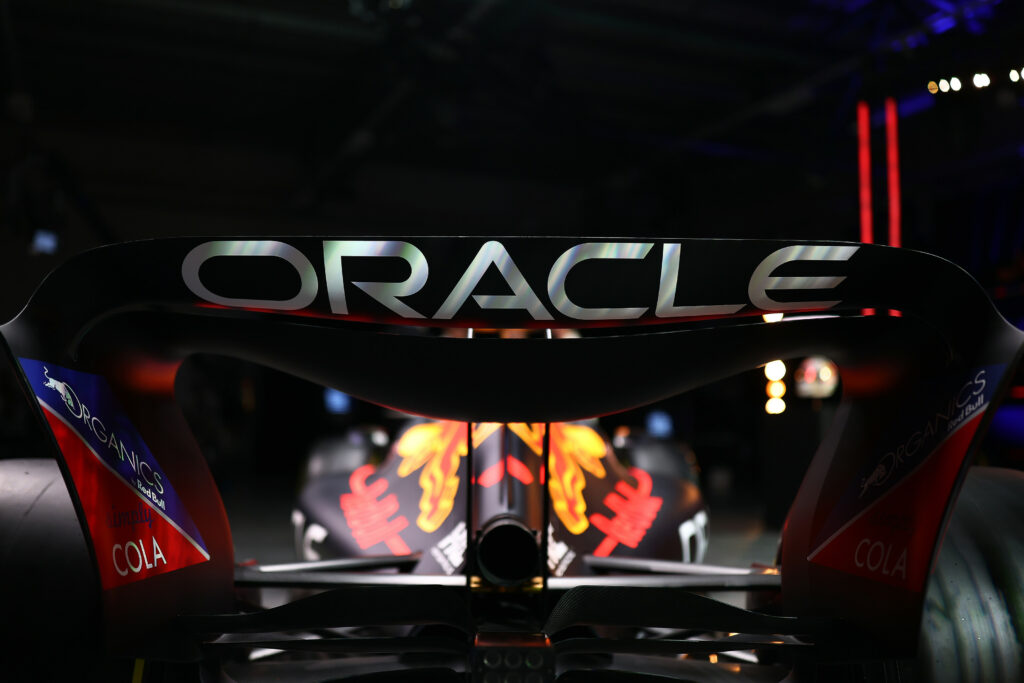
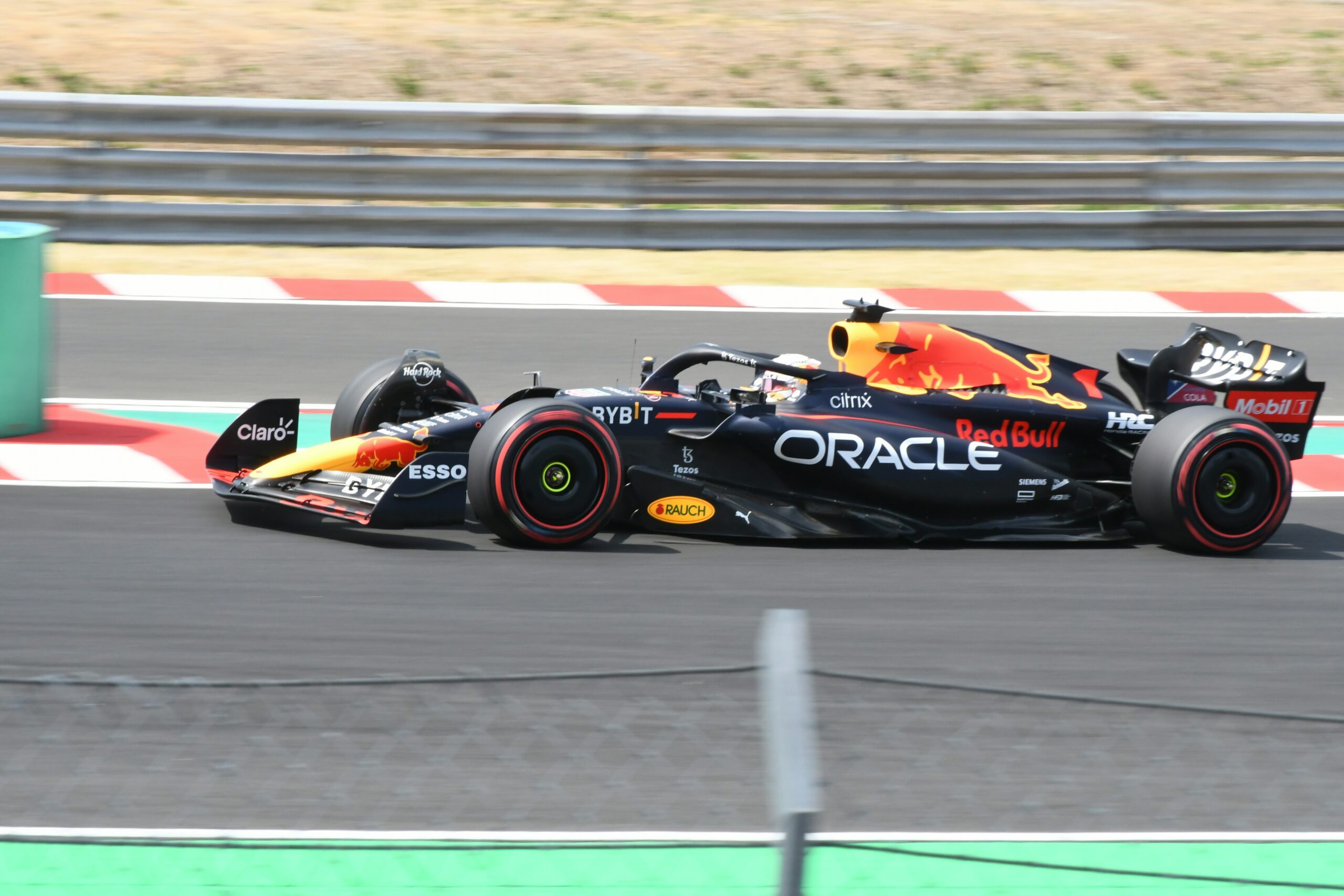
Oracle and Oracle Red Bull Racing agreed to extend and expand their title partnership for several more years. Under the deal, Red Bull Racing will continue using Oracle Cloud Infrastructure (OCI), Oracle AI and Oracle Fusion Cloud Applications to support race strategy, engineering, and business operations.
The aim is to help Red Bull Racing remain competitive under new Formula 1 technical rules for 2026 by improving data analysis, simulations and decision-making, while also showcasing how Oracle’s technology can be used in high-performance environments.
Technology Partnership Drives Competitive Advantage
As part of the extended agreement, Oracle Red Bull Racing will apply Oracle’s cloud and AI technologies across several defined performance and operational initiatives, including:
- AI-powered strategy agent: An AI agent will operate trackside, automating data collection and analyzing historical and real-time race inputs to provide engineers with faster, more informed strategic insights.
- Next-generation hybrid power unit development: Red Bull Ford Powertrains’ new hybrid power unit, extensively developed and tested using OCI, is set to debut in the 2026 Formula 1 season.
- Advanced race simulations: Oracle Cloud Infrastructure enables high-performance simulations that model energy usage, aerodynamics, tire interactions, and thousands of race scenarios to optimize race-day decisions.
- Enterprise operations support: Oracle Fusion Cloud Applications support finance, HR, and marketing operations, helping streamline internal processes while enhancing employee and fan engagement initiatives.
The extension comes as Formula 1 prepares for one of the most significant regulatory shifts in modern history, with new 2026 rules reshaping hybrid power systems, energy recovery, and overall car design. Maintaining performance under tighter constraints will require deeper data insight, faster simulation capabilities, and integrated cloud infrastructure.
Laurent Mekies, CEO and team principal of Oracle Red Bull Racing, emphasized that the collaboration has been instrumental in delivering recent Drivers’ and Constructors’ World Championships, highlighting the importance of continued technology innovation to remain competitive in a rapidly evolving sport.
What This Means for ERP Insiders
Cloud and AI are redefining operational performance. The partnership illustrates how high-performance computing and AI have become foundational capabilities for real-time decision environments. For ERP Insiders, this reinforces the need to modernize core infrastructure so transactional systems can support real-time analytics, automation, and advanced simulation workloads.
Data-driven strategy is becoming autonomous. The introduction of AI agents to automate analysis reflects a broader enterprise shift toward embedded intelligence within ERP and operational systems. ERP teams should view this as a signal that decision-support tools are moving from dashboards to AI-driven recommendations embedded directly into workflows.
Integrated cloud platforms extend beyond IT. From finance to HR and marketing, cloud applications are enabling cohesive, data-driven operations that align business performance with strategic goals. This underscores the importance of integrated application suites that connect operational data across functions to drive measurable business outcomes.