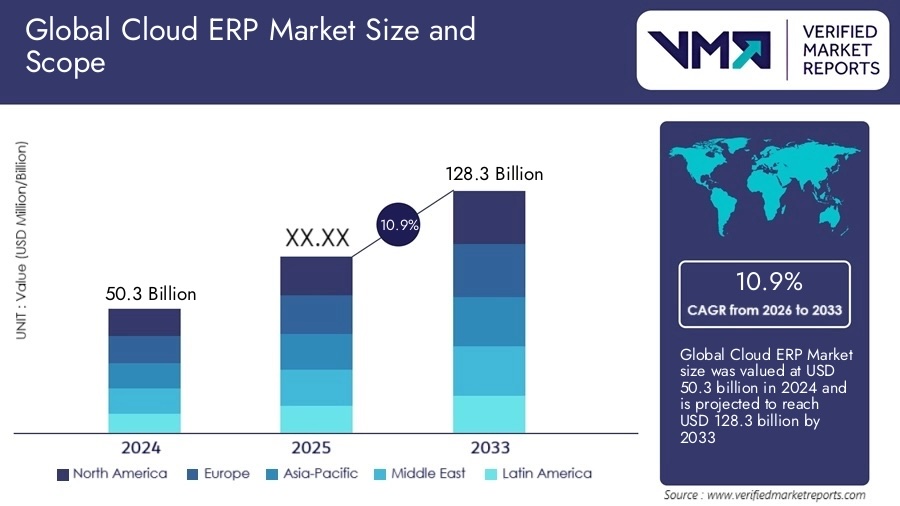

The global project management software market will reach $9.1 billion by 2030, growing at 14.34% compound annual growth rate as organizations invest in digital collaboration infrastructure supporting hybrid work environments and distributed teams. The market expansion reflects accelerating demand for centralized platforms enabling task management, real-time communication, documentation and performance tracking across industries including IT, BFSI, healthcare, manufacturing and construction.
Major vendors including Microsoft, Oracle, Adobe, Atlassian and SAP continue dominating the market through scalable solutions integrated with CRM, ERP and enterprise systems, while platforms such as Asana, Trello, Monday.com and Smartsheet address mid-market requirements emphasizing user experience and rapid deployment. North America leads adoption driven by strong technological infrastructure and enterprise investment, while Asia Pacific emerges as fastest-growing region supported by digitalization initiatives and expanding SME ecosystems.
For technology executives managing ERP modernization strategies, project management software represents critical integration layer connecting enterprise financial systems with operational execution across departments, geographies and partner networks. Organizations implementing modern project portfolio management platforms report transforming PMOs from administrative functions into strategic enablers providing real-time visibility into resource allocation, risk exposure and portfolio performance.
Hybrid Work Models Drive Cloud Platform Migration
The shift toward remote and distributed work models has accelerated cloud-based project management adoption, with platforms providing anytime, anywhere access to project data enabling teams to remain connected regardless of location. Tools like Microsoft Project Online and Basecamp support virtual collaboration, document sharing and real-time communication, making them essential infrastructure for modern workplaces managing hybrid teams.
Hybrid work environments face persistent challenges including fragmented communication, data silos and file management complexity that project management solutions address through centralized workspaces, automated notifications and structured workflows. Leading organizations including Google, Amazon, Microsoft, Atlassian and Infosys adopting hybrid work models drive market growth as these strategies enhance employee satisfaction, improve talent retention and boost productivity while requiring reliable digital tools managing collaboration, scheduling and accountability.
Cloud deployment offers scalable infrastructure, automatic software updates and built-in disaster recovery lowering operational costs compared to maintaining physical systems. Construction companies implementing cloud ERP with integrated project management capabilities report 40% IT cost reductions through eliminating on-premise server maintenance, reducing software licensing complexity and consolidating multiple point solutions. Organizations should expect ROI achievement within two to three years, with 83% of implementations meeting financial return expectations.
Hybrid project management adoption has surged 57.5% over the past three years, rising to 31.5% by 2023. This signals broader recognition that no single methodology meets all project demands, as engineering teams follow strict compliance documentation protocols while marketing teams run rapid creative sprints and operations teams require predictable resource planning timelines.
What Companies Should Prioritize, Evaluate
Organizations evaluating project management platforms should prioritize solutions demonstrating clear integration pathways with existing ERP, CRM and financial systems rather than standalone tools requiring manual data synchronization. Advanced analytics and reporting features allowing organizations to track key performance indicators, identify inefficiencies and optimize resource utilization represent essential evaluation criteria, as integration capabilities with enterprise systems enhance workflow efficiency making project management software integral to digital ecosystems.
Large enterprises dominated the market in 2023, accounting for 64.85% of total revenue, as these organizations manage multiple complex projects across geographies and departments requiring advanced planning, monitoring and coordination tools. However, the SME segment is expected to register highest growth rates during the forecast period as small and medium enterprises increasingly adopt project management software to reduce operational costs, improve efficiency and replace manual processes with digital platforms.
What This Means for ERP Insiders
Project management software integration is becoming mandatory for operational visibility. The market’s 14.34% CAGR growth and trajectory toward $9.1 billion by 2030 validates that project execution platforms have become essential integration layer connecting ERP financial systems with operational workflows across departments and trading partners. ERP vendors must architect native project management capabilities or establish seamless integration frameworks with leading PMO platforms, as customers increasingly evaluate ERP solutions based on end-to-end visibility spanning financial transactions through project execution.
Hybrid work infrastructure requirements force cloud-first architecture. The acceleration of distributed work models creating 57.5% adoption growth of hybrid project methodologies demonstrates that operational collaboration requirements override data residency preferences and on-premises architecture strategies. Enterprise architects planning ERP modernization must structure solutions supporting genuine cloud collaboration capabilities even when core financial systems remain on-premises.
SME segment growth signals productized implementation methodologies. Small and medium enterprises representing the highest-growth segment prioritize rapid deployment, intuitive interfaces and affordable subscription models over enterprise-grade customization capabilities. ERP vendors and implementation partners targeting mid-market expansion also must develop preconfigured industry solutions, accelerated deployment methodologies and consumption-based pricing replacing traditional license-and-customize models.