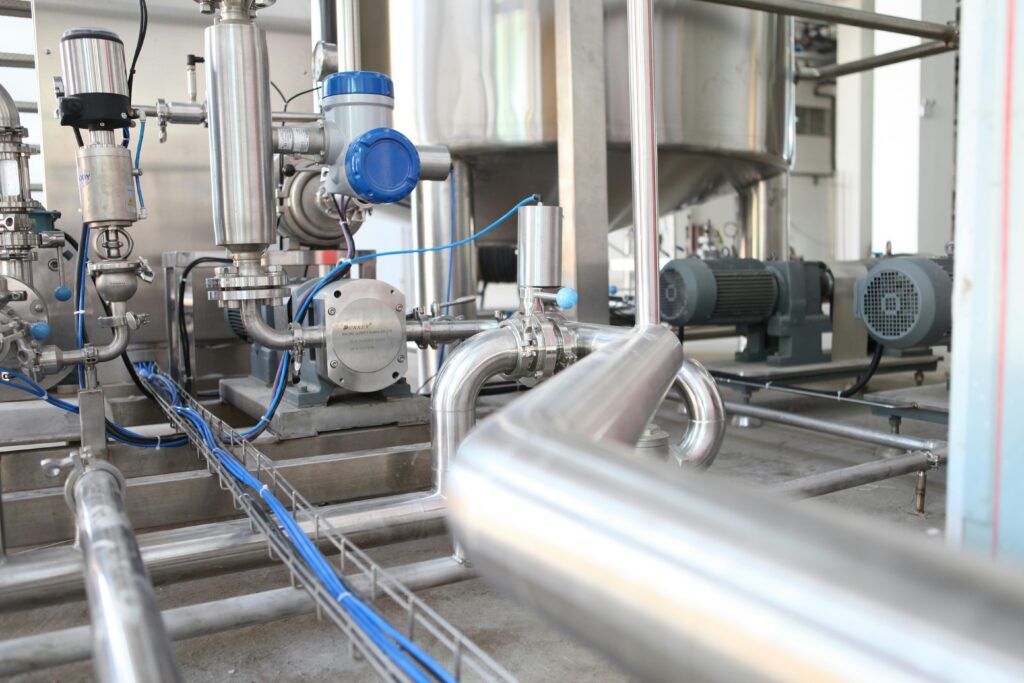

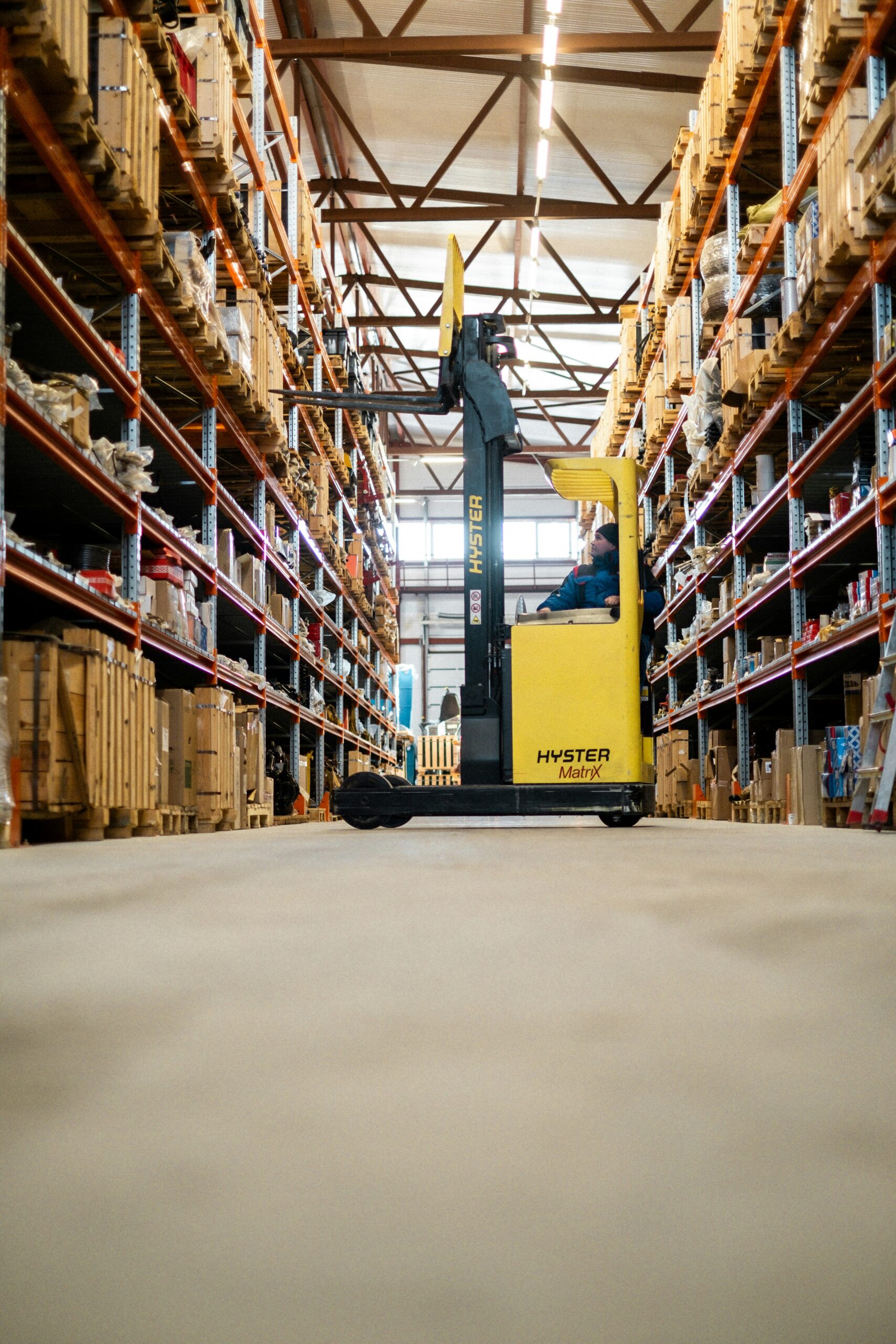
Truvant operates more than 330 production lines across seven packaging and co-manufacturing campuses in North America and Europe. With facilities handling everything from food and household products to vitamins and over-the-counter medicines, the company needs consistent processes and operational data across sites with different production requirements. Its expansion into additional product categories has added to the work involved in managing that network.
The company has selected QAD | Redzone to standardize its operations on a cloud-based platform combining QAD Adaptive ERP, Redzone Connected Workforce and ChampionAI. The initiative will establish common data standards, workflows, and performance measures across Truvant’s facilities, with a repeatable deployment model for integrating future acquisitions.
Acquisition Adds to ERP Standardization Requirements
Truvant’s latest expansion came in August 2026, when it acquired Multi-Pak Packaging, a New Jersey contract packager specializing in vitamins, nutritional supplements, over-the-counter medicines and consumer health products. The acquisition brought Truvant’s network to seven campuses, including three in Poland and four in the United States.
Multi-Pak also brought packaging capabilities that include bottling, blister packaging, pouching and cold-chain handling for probiotics. Its regulated product categories add another set of manufacturing and compliance requirements to Truvant’s existing operations.
The ERP initiative is intended to establish common processes across that expanding network. Truvant plans to develop a standardized configuration that can be replicated across facilities, reducing the need to design separate workflows for each location or acquisition.
QAD says the implementation will prioritize configuration over custom code to maintain common standards and simplify future updates.
Linking ERP Data With Shop-Floor Operations
The planned system combines QAD Adaptive ERP for enterprise processes with Redzone Connected Workforce for frontline production activities. ChampionAI will support workflow automation and decision-making across procurement, supply chain and production.
The integration is intended to connect manufacturing activity with enterprise planning and reporting. For example, information captured on production lines could support more consistent performance monitoring across facilities, while shared data definitions would make it easier to compare operations and identify issues requiring attention.
Truvant also plans to use Redzone for frontline collaboration, operational visibility and employee coaching. Together, these capabilities are expected to give plant teams and business managers access to more consistent information about production performance.
AI forms part of the proposed architecture, although the companies have not identified which ChampionAI capabilities Truvant will implement first or how automated decisions will be supervised.
What This Means for ERP Insiders
Define what can be standardized across acquisitions. Truvant’s expansion highlights the need for common ERP data and workflows across manufacturing sites. ERP teams should determine which processes can follow a shared template and where production methods, customer requirements or regulations call for site-specific configurations.
Establish how ERP and shop-floor systems will share data. Truvant’s planned integration of QAD Adaptive ERP and Redzone raises practical questions about data consistency and operational visibility. ERP teams should establish which production events, exceptions and performance measures need to flow between systems, how frequently they must be updated and who owns the data.
Set measurable goals before deploying AI. Truvant has selected ChampionAI, but its initial use cases and expected results have not been disclosed. ERP teams evaluating similar capabilities should establish baseline measures for production efficiency, exception handling and decision times before introducing AI-assisted workflows, then assess improvements against those measures.