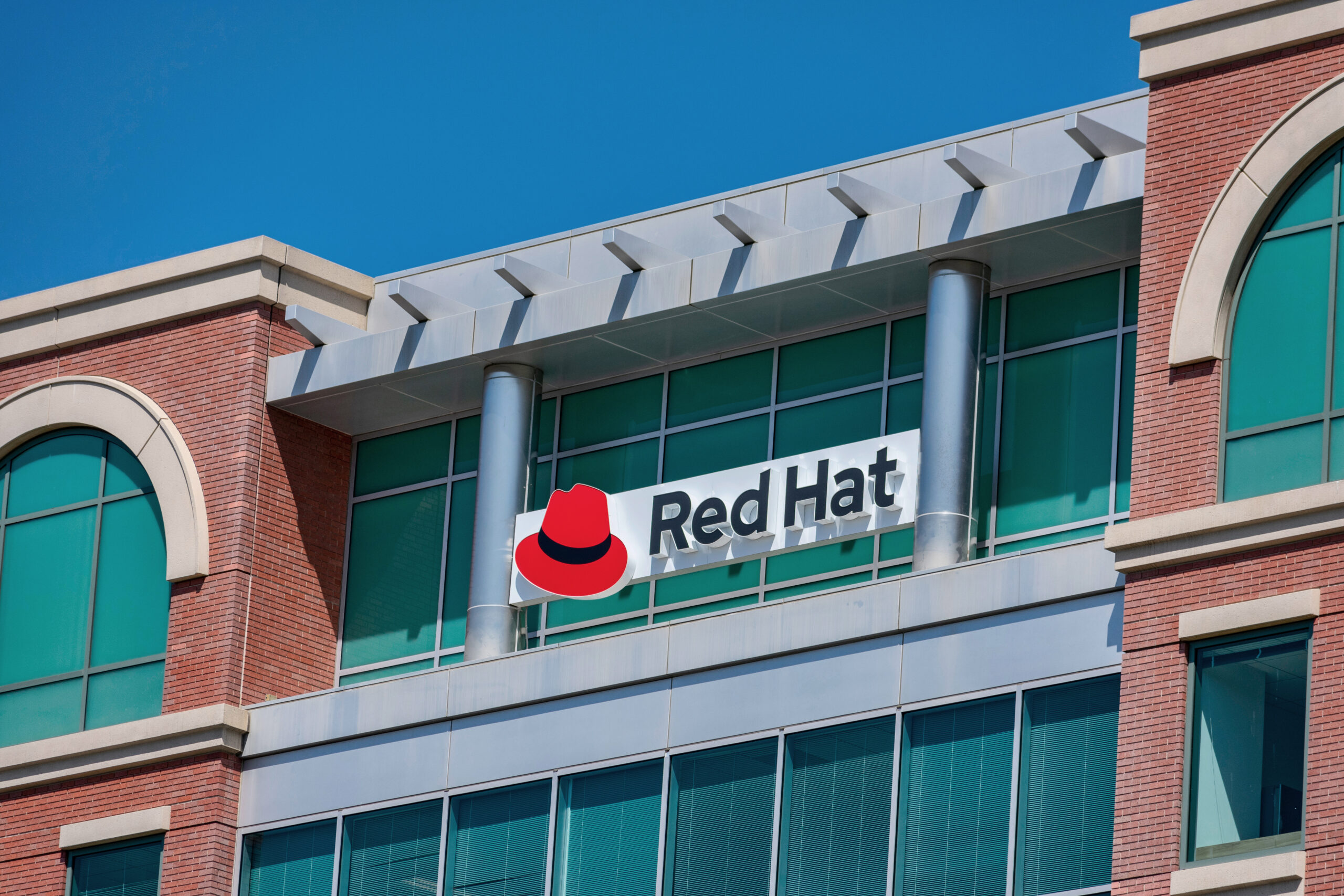
Red Hat, a hybrid cloud and open-source provider, announced last month that it has acquired Chatterbox Labs, a UK-based specialist in AI safety and risk assessment.
The acquisition will integrate Chatterbox’s model-agnostic testing, generative AI guardrails, and quantitative risk metrics into Red Hat’s AI portfolio. This includes Red Hat AI 3, the AI Inference Server, and its Enterprise Linux and OpenShift AI offerings.
Red Hat said the move is designed to help enterprise customers deploy AI models responsibly at scale as organizations move from experimentation to production.
“Chatterbox Labs’ innovative, model-agnostic safety testing and guardrail technology is the critical ‘security for AI’ layer that the industry needs,” said Steven Huels, vice president of AI engineering and product strategy, Red Hat. Stuart Battersby, co-founder and CTO, Chatterbox Labs, remarked, “By joining Red Hat, we can bring these validated, independent safety metrics to the open source community.”
AI Safety, Guardrails, and Risk Metrics for Enterprises
The acquisition gives Red Hat customers access to Chatterbox Labs’ AIMI platform, which provides model-agnostic AI safety testing and quantitative risk metrics.
AIMI is organized around three pillars: generative AI risk metrics for LLMs, predictive AI validation for robustness, fairness, and explainability, and guardrails that detect and remediate insecure, biased, or toxic prompts before deployment.
Red Hat plans to integrate these capabilities across its AI portfolio, creating a built-in safety layer for enterprise workflows. The platform also supports agentic AI use cases, monitoring autonomous agent behavior and Model Context Protocol (MCP) interactions, aligned with Red Hat’s Llama Stack roadmap.
The combined platform will help enterprise users move AI from experimentation to production with measurable safety, transparency, and regulatory-ready metrics, reducing risk while enabling AI deployment across hybrid and multi-cloud environments.
Red Hat Expands Enterprise AI Strategy
Red Hat is building a comprehensive AI platform that integrates safety, risk management, and operational efficiency. The Chatterbox Labs acquisition adds quantitative safety metrics, guardrails, and agentic AI monitoring to Red Hat’s hybrid cloud portfolio.
Early in 2025, Red Hat acquired Neural Magic, which specializes in AI performance optimization and efficient inference, making large language models faster and more cost-effective on hybrid and multi-cloud infrastructure. Together, the acquisitions show Red Hat’s interest in improving AI performance and trustworthiness.
Red Hat has also strengthened collaborations with AMD, Intel, and Nvidia, giving customers choice over hardware and hybrid-cloud infrastructure. These partnerships optimize Red Hat AI and OpenShift AI for multiple GPUs and accelerators, allowing enterprises to deploy workloads without vendor lock-in.
What This Means for ERP Insiders
AI safety becomes platform level for ERP workloads. Red Hat is shifting AI risk decisions from individual ERP projects into the infrastructure layer. That change turns safety from a policy debate into an enforced runtime condition for every AI-enabled business process.
Red Hat is expanding AI capabilities through acquisitions and partnerships. The company is adding performance, safety, and infrastructure support as discrete layers across its platform. ERP teams may see AI maturity increase without disruptive overhauls.
AI runtime oversight is becoming central to cybersecurity. Security teams must account for how models and agents behave once deployed. In ERP systems, protecting data and processes increasingly depends on controls inside live AI workflows.