
Adam Pitman
Senior Editor, ERP Today and SAPinsider
124 Articles Published
Beacon.li office workspace with desks, monitors, chairs, and indoor plants, representing enterprise software implementation and support operations.
The Support Insight That Moved Beacon.li’s CEO Toward Enterprise Implementation
Beacon.li CEO Rakesh Vaddadi built a support tool. His customers pushed him upstream. Now he is making the case that implementation failure is a knowledge transfer problem — and that the fix is capturing expert judgment before it walks out the door.
SAP’s Autonomous Finance Push Turns CFO Attention to Governance
SAP’s autonomous finance push is moving CFO priorities toward governance, controls, and AI-ready financial processes. For SAP customers, the opportunity depends on how well automation, GRC, and finance transformation connect inside ERP operations.
Smartphone displaying a security lock, illustrating Microsoft SMS sign-in changes and ERP identity readiness.
Microsoft Is Killing SMS Sign-in Codes. ERP Teams Should Pay Attention
Microsoft’s move away from SMS sign-in codes is limited to personal accounts, but ERP teams should still pay attention. Developer subscriptions, sandbox tenants, contractor accounts, shared credentials, and break-glass workflows can sit outside formal Entra ID governance, creating hidden exposure as authentication models shift.
San Francisco skyline under a blue sky, representing Beacon.li’s AI platform for enterprise software implementation.
Beacon.li Launches AI Platform for Enterprise Software Implementation
Beacon.li launched Implementation Studio, a UI-based AI platform that aims to execute enterprise software implementation work inside target applications, with early traction likely in repeatable configuration, testing and hypercare workflows.
EU flag displayed on the glass exterior of the European Parliament building, representing ERP governance questions around the EU AI Act delay.
What the EU AI Act Delay Means for ERP Governance
The EU AI Act delay eases some near-term compliance pressure, but ERP teams still need to build governance evidence around how AI is used across business processes.
Software developers working at laptops, representing SAP Security Patch Day May 2026 risks across developer tooling and software supply chains.
SAP Security Patch Day May 2026 Shows Risk Beyond Core Applications
SAP’s May 2026 Security Patch Day shows why SAP teams need to look beyond severity scores. Critical vulnerabilities affected S/4HANA and Commerce Cloud, while Mini Shai-Hulud brought developer tooling, credentials, and supply-chain exposure into the SAP security conversation.
Orange County Convention Center in Orlando, where SAP Sapphire may clarify SAP AI access for ECC and cloud ERP customers.
Will SAP Open AI Access to Customers That Haven’t Moved to the Cloud?
SAP is reportedly preparing to open more AI access to some customers that have not moved fully to the cloud, including some SAP ECC users. The details could determine whether the move becomes a narrow transition offer or a broader shift in SAP’s cloud-first AI strategy.
Office infrastructure representing SAP API policy, ERP integration, AI access, and controlled enterprise data pathways.
SAP API Policy Raises New Questions About ERP Integration and AI Access
SAP’s updated API policy is raising questions about ERP integration, AI access, and partner products. The policy puts new scrutiny on undocumented APIs, large-scale extraction, and the supported pathways customers and partners use to access SAP data.
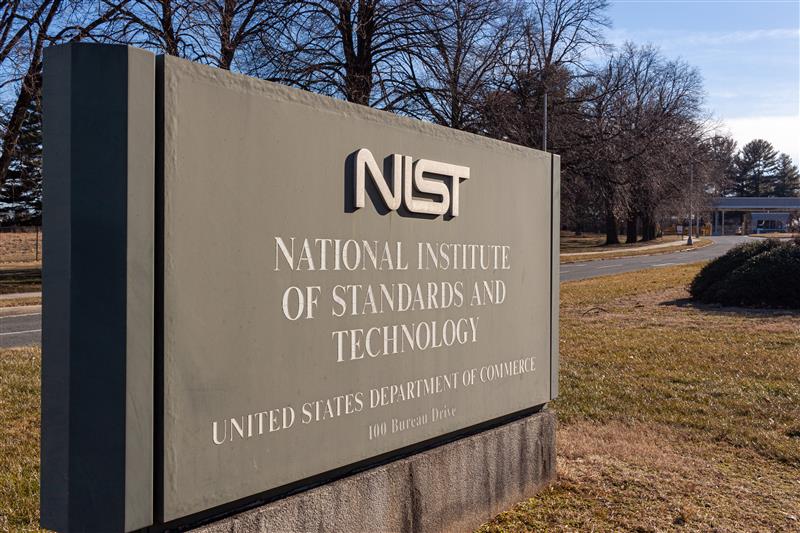
Sign at the National Institute of Standards and Technology (NIST) campus, highlighting the agency behind CVE and NVD vulnerability standards.
What NIST’s CVE Shift Means for ERP Security Teams
NIST is changing how CVEs are enriched in the National Vulnerability Database, reducing the consistency of risk signals used to prioritize vulnerabilities. For ERP security teams, the shift increases reliance on vendor guidance and system-specific context to assess exposure.
Finance professional working on a laptop reviewing data, representing AI in quote-to-cash workflows and finance processes.
AI in Finance Faces Its Real Test Inside Quote-to-Cash Workflows
Most finance teams are using AI, but measurable impact remains limited. A Zuora webinar shows how quote-to-cash workflows expose the real constraints: integration, auditability, and control.
Stanford University campus buildings under blue sky representing Stanford AI Index 2026 research on enterprise AI readiness.
AI Is Expanding, but ERP Systems May Not Be Ready—Stanford AI Index 2026
AI adoption is expanding across enterprises, but ERP systems may not be ready. The Stanford AI Index 2026 highlights gaps in governance, trust, infrastructure, and talent that affect how AI supports business decisions.
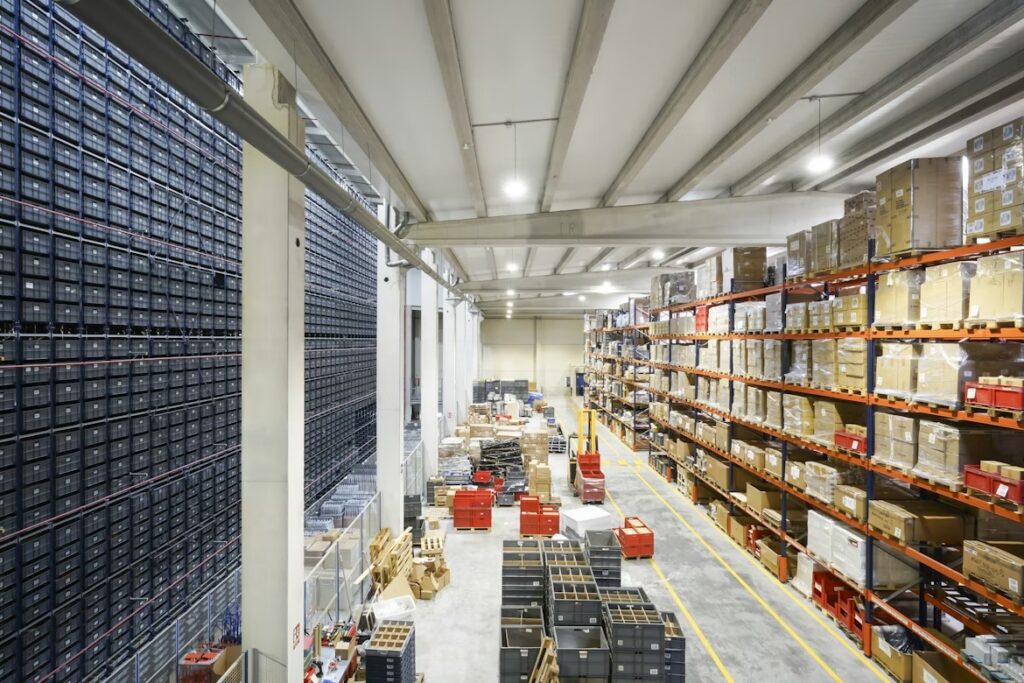
Large warehouse with organized rows of boxes representing structured procurement workflows and supply chain coordination.
Why Procurement Platforms Are Now Judged on Adoption and Workflow Execution
Procurement platforms are no longer judged on features alone. This analysis shows how adoption, workflows, and governance now define platform value, with Scanmarket by Unit4 as a leading example.
Office environment representing France’s tech dependency plan and shift from Windows to Linux across public sector IT systems.
How France’s Tech Dependency Plan Could Influence ERP Decisions
France’s tech dependency plan requires ministries to map reliance across infrastructure, AI, and core systems, introducing new scrutiny that may influence ERP evaluation and system design.
Empty enterprise office environment with desks and workstations, representing business operations, workflows, and organizational structure tied to unrealized AI value.
Companies Are Acting on AI Value They Haven’t Realized Yet
Most organizations say AI delivers value, but few can measure it consistently. New research shows that measurement maturity and operating models determine whether AI produces repeatable enterprise ROI.
Shipping containers stacked at a logistics facility, representing supply chain operations in a SAP S/4HANA transformation context.
Clorox Shows What SAP S/4HANA Transformations Require Before 2027
Clorox’s $580M SAP S/4HANA transformation highlights how design, benchmarking, and execution decisions shape outcomes beyond go-live.
Professionals analyzing data on computer screens in an office, representing AI in quote-to-cash workflows and finance operations.
Zuora Adds AI Agents for Quote-to-Cash Workflows and Auditability
Zuora introduces AI agents for quote-to-cash workflows, focusing on how outputs are integrated, explained, and executed within financial controls, audit frameworks, and operational processes.
Modern office buildings in Mumbai, where TCS is based.
What TCS and SAP Show About the Future of ERP Delivery
TCS and SAP show how ERP delivery is shifting toward integrated, partner-led models that combine workforce skills, system implementation, and ongoing operations.
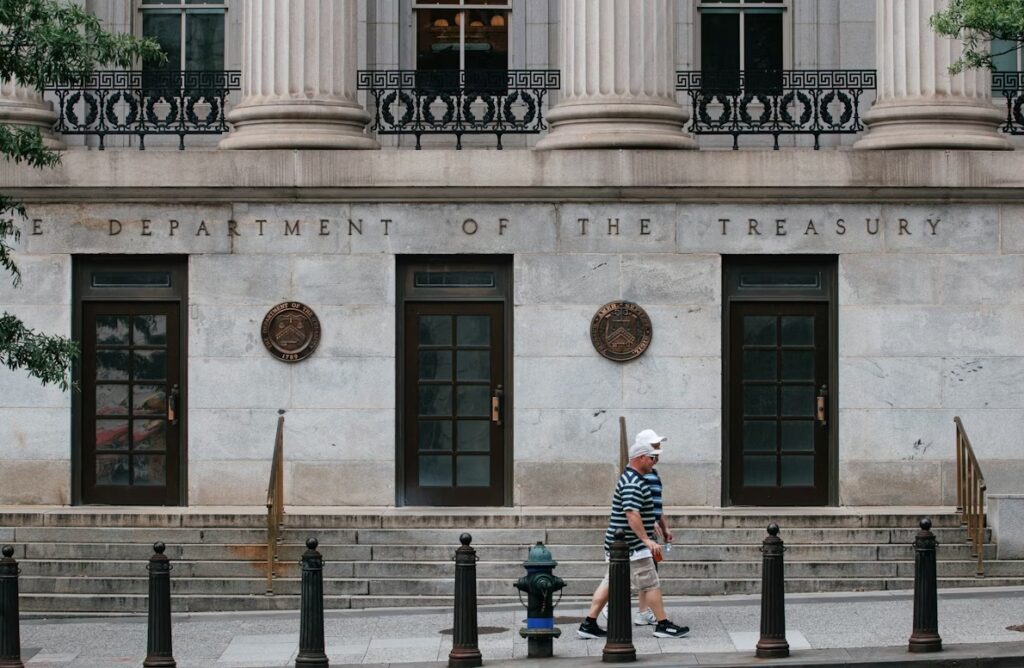
U.S. Department of the Treasury building in Washington, D.C., before regulators met to discuss AI cyber risk in financial systems.
Claude Mythos Preview Shows How AI Collapses the Distance Between Discovery and Exploitation in Financial Systems
Claude Mythos Preview is prompting regulators and banks to reassess cyber risk as AI accelerates vulnerability discovery and exploitation across interconnected financial systems.
Enterprise IT monitoring environment with multiple screens displaying system data, representing SAP security patching and authorization risk management.
SAP Security Patch Day April 2026: Critical Vulnerabilities, CVSS 9.9 SQL Injection, and Authorization Risks
SAP Security Patch Day April 2026 introduces a critical SQL injection vulnerability and high-severity authorization flaws across SAP BPC, BW, ERP, and S/4HANA. This analysis explains how these vulnerabilities affect enterprise risk and where exposure concentrates across SAP environments.
Frankfurt business district skyline representing enterprise finance systems, data infrastructure, and AI-driven collections workflows in Europe.
Zuora Collections Launches in Europe with Germany Data Center for In-Region Data and AI-Driven Workflows
Zuora has launched Collections in Europe with a new Germany data center, bringing AI-driven workflows and in-region data handling to finance teams managing cash collection and forecasting.
Internal Revenue Service building exterior illustrating IRS impersonation scams and tax season fraud risks in 2026.
Tax Season Scams 2026: How IRS Phishing, Fake Tax Messages, and AI Fraud Threaten Businesses
Tax season scams in 2026 are expanding beyond individual taxpayers into broader business risk. IRS impersonation, fake tax messages, QR codes, and AI-enabled fraud are targeting tax professionals, payroll teams, and organizations handling sensitive financial and employee data.
High-rise office buildings in La Défense business district in Paris, representing enterprise technology and infrastructure environments.
France Defines a New Model for Managing Technology Dependencies
France’s move to Linux is part of a broader program to reduce technology dependencies across government systems. The shift introduces a structured approach to dependency mapping that could influence how ERP environments are evaluated over time.
Modern office building representing SAP GRC for SAP HANA architecture and enterprise risk management systems
SAP GRC for SAP HANA Update Signals Real-Time Processing Shift and 2027 Transition Timeline
The SAP GRC update for SAP HANA focuses on execution, introducing Fiori-based workflows, real-time processing, and tighter S/4HANA alignment. The shift also signals a broader transition as GRC 12.0 approaches its 2027 maintenance deadline.
Cargo ship at port in Chattogram, Bangladesh representing global apparel exports and supply chain logistics.
Bangladesh’s Digital Tax Push Reshapes Compliance for RMG Supply Chains
Bangladesh’s move to digital tax systems is reshaping compliance across RMG supply chains, increasing reliance on supplier data accuracy, ERP execution, and integrated financial processes.
Clorox manufacturing team at Aberdeen, MD plant during SAP S/4HANA cutover, showing frontline operations and production environment.
What Happened During Clorox’s SAP S/4HANA Cutover—Insights from the CSCO
Clorox’s SAP S/4HANA cutover shows how ERP changes manufacturing and supply chain execution. From inventory timing effects to stabilization and workflow integration, the transformation reshapes how work moves across the network.
Data center facility in Coleraine showing physical infrastructure and energy systems in a real-world environment.
How Data Center Location, ESG Regulations, and AI Infrastructure Are Reshaping Risk
Data center location is becoming a governance decision. As AI demand grows and ESG regulation expands, energy, water, and climate constraints are shaping ERP risk, cost, and performance in ways enterprises can no longer ignore.
Abu Dhabi skyline with modern high-rise buildings along the waterfront
UAE Approves SAP for e-Invoicing, Expanding ERP’s Role in Compliance Architecture
The UAE has pre-approved SAP as an e-invoicing service provider, becoming the first ERP vendor in the framework. The decision places ERP systems within compliance architecture ahead of the 2027 mandate.
Abstract geometric data structure representing a unified ERP data architecture across connected systems
SAP Business Data Cloud Explained: A New Model for ERP Data and Analytics
SAP Business Data Cloud reflects a shift in ERP data architecture, introducing a unified, governed data layer that changes how data is structured, managed, and used across systems.
Abstract digital grid representing SAP security architecture, benchmarking, and layered control environments.
SAP Security Investment Still Misses Where Risk Is Highest, Benchmark Data Shows
CRIS benchmark data reveals SAP security maturity is moderate overall but uneven, with persistent gaps in access, data, and governance controls where business risk is concentrated.
SAPinsider benchmark report March 2026 cover showing digital data flows representing ERP and AI priorities under cost pressure.
Cost Pressures Reshape ERP and AI Priorities in 2026, SAPinsider Benchmark Finds
Cost pressure is redefining how organizations approach ERP and AI in 2026. SAPinsider’s latest benchmark shows S/4HANA transformation, platform investment, and operational efficiency shaping technology decisions. The findings highlight a shift toward execution across overlapping priorities.
The Clorox Company headquarters exterior with city reflections, illustrating SAP S/4HANA transformation and enterprise modernization
How Clorox Planned Its SAP S/4HANA Transformation—Insights from the CIO
Clorox shares how it planned and executed its SAP S/4HANA transformation, highlighting adoption, execution trade-offs, and how success is defined after go-live.