EMEA

Bringing ERP Data into Excel: Seamless Integration with Orbit Analytics
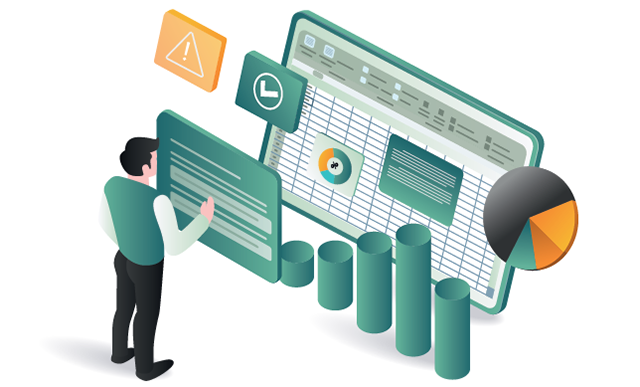
Orbit Analytics reimagines how organizations interact with their ERP data by delivering a seamless, live connection between enterprise systems and Excel. By embedding live ERP data directly into the tool users trust most, Orbit removes the friction between IT systems and business reporting, enabling faster, data-backed decisions.
cloud erp manufacturing
It’s Time for Manufacturers to Unify CRM and ERP Data
Unifying CRM and ERP systems is essential for manufacturers to enhance visibility, streamline processes, and meet rising customer expectations. Yet, many still struggle with minimal integration, manual data handling, and inefficiencies that hinder responsiveness and customer satisfaction.
SAP Sovereign Cloud
SAP Expands Sovereign Cloud Footprint, Bringing AI to Europe’s Public Sector
SAP has launched a new data center region in France to bolster its sovereign cloud services, addressing European data sovereignty concerns while enabling public sector and healthcare clients to securely adopt cloud ERP and generative AI capabilities.
abstract tech image of a blue city and red and white car lights in long exposure with a sign of SAP "S/4HANA" between the lights
The SAP S/4HANA Data Dilemma: Why Data Strategy Can’t Be an Afterthought
The journey to SAP S/4HANA necessitates a fundamental rethinking of data management, emphasizing a selective migration of relevant data, prioritizing data quality especially in an AI-driven landscape, and effectively managing legacy data, all of which are crucial for transforming organizations' data from a liability to a strategic asset.
Zuora and Workday
Zuora and Workday Deepen Partnership to Tackle Complex Revenue Management
Zuora and Workday have expanded their partnership to integrate Zuora's monetization platform with Workday Financial Management, aiming to streamline financial processes for B2C companies managing complex billing models, enhance accuracy, and promote strategic financial decision-making.
Friction Points in NetSuite O2C
How BMC’s ERP Upgrade Transformed Monetization to Power SaaS Growth
When BMC set out to modernize its business systems, the challenge wasn’t just moving from a 20-year-old homegrown ERP billing system; it was enabling a fundamental business model shift from perpetual licenses to SaaS subscriptions, while adding the agility to respond to new go-to-market strategies and complex global billing requirements. In this fireside chat, ERP Today brings together Ron Clegg, VP, Revenue Office at BMC, Dave Crowell, Partner at PwC, and Rob Newnes-Smith, Zuora Advisor and former CTO for Digital & Employee Tech at Thomson Reuters, to unpack how BMC reimagined its quote-to-revenue process. Together, they explore: - Sequencing monetization transformation ahead of ERP change to accelerate agility and time-to-market. - Delivering a “heart-lung transplant” program from CPQ through revenue, consolidating 48+ systems into a unified platform. - The role of strong process design, change management, and the right partner in ensuring success. - How these choices reflect a growing market shift toward hybrid revenue models, global billing, and integrated professional services. Whether you’re a CIO, CFO, or a Transformation Leader, you’ll leave with lessons on deciding core vs. non-core systems, managing large-scale change, and building the agility to support hybrid revenue models, without waiting for a multi-year ERP rollout.
Friction Points in NetSuite O2C
How BMC’s ERP Upgrade Transformed Monetization to Power SaaS Growth
When BMC set out to modernize its business systems, the challenge wasn’t just moving from a 20-year-old homegrown ERP billing system; it was enabling a fundamental business model shift from perpetual licenses to SaaS subscriptions, while adding the agility to respond to new go-to-market strategies and complex global billing requirements. In this fireside chat, ERP Today brings together Ron Clegg, VP, Revenue Office at BMC, Dave Crowell, Partner at PwC, and Rob Newnes-Smith, Zuora Advisor and former CTO for Digital & Employee Tech at Thomson Reuters, to unpack how BMC reimagined its quote-to-revenue process. Together, they explore: - Sequencing monetization transformation ahead of ERP change to accelerate agility and time-to-market. - Delivering a “heart-lung transplant” program from CPQ through revenue, consolidating 48+ systems into a unified platform. - The role of strong process design, change management, and the right partner in ensuring success. - How these choices reflect a growing market shift toward hybrid revenue models, global billing, and integrated professional services. Whether you’re a CIO, CFO, or a Transformation Leader, you’ll leave with lessons on deciding core vs. non-core systems, managing large-scale change, and building the agility to support hybrid revenue models, without waiting for a multi-year ERP rollout.
Modular Cloud Transformation and Composable ERP
Enabling A Composable ERP Revolution With Zuora’s Modular Cloud Transformation
The shift from monolithic ERP systems to composable architectures enables businesses to integrate specialized applications via APIs, enhancing agility and functionality while mitigating risks associated with digital transformations.
IT Transformation Trends 2025
IT Transformation Trends in 2025: Key Insights for Digital Transformation
The 2025 Transformation Study by NTT DATA Business Solutions and Natuvion reveals that AI is now the primary driver for enterprise transformations, emphasizing the necessity of data quality and effective communication while highlighting the increasing adoption of cloud platforms and agile methodologies as crucial for success.
The EY Digital Marketplace Platform: A Customer-Centric Approach to Community Banking
As traditional community banking gives way to national brands and FinTech competitors, banks must rapidly adopt digital strategies to meet evolving consumer demands for personalized, seamless services while enhancing operational resilience against cyber threats and regulatory pressures.
AARO Joins Forces with Aico & Mercur to Form Unified and Complete Financial Corporate Performance SaaS Platform; Michael Teixeira Named Group CEO
Accel-KKR has successfully merged AARO with Aico and Mercur to create a unified SaaS platform for Corporate Performance Management, led by CEO Michael Teixeira, enhancing financial operations for CFOs across EMEA.
IT Transformation Trends 2025
Sage Delivers Next Wave of AI-Powered Finance Tools
Sage has introduced AI-driven enhancements in Sage Intacct, including intelligent reconciliation, embedded payments, and sustainability reporting, aimed at helping finance teams improve speed, automation, and operational efficiency.
Why 70% of UK Businesses Are Stuck in Digital Limbo Despite Record SAP AI Investment
UK businesses face a significant AI skills gap that undermines their investment in technology, as many struggle with the challenge of effectively adopting and utilizing advanced AI systems like SAP, highlighting the need for dual expertise in both technical proficiency and organizational change management to achieve successful AI implementations.
Lift-and-Shift ERP Strategies NTT DATA and Microsoft
NTT DATA to Accelerate AI-Driven Transformation with Microsoft Cloud Unit
NTT DATA has established a global business unit for Microsoft Cloud to leverage its expertise in accelerating secure, AI-driven digital transformation for enterprises.
SmartRecruiters
SAP Announces Acquisition of SmartRecruiters
SAP has announced its acquisition of SmartRecruiters to enhance its SAP SuccessFactors suite with advanced talent acquisition capabilities, including AI-enabled recruiting, aiming to streamline the hiring process for customers and ensure compliance and responsible AI usage.
Semantic layer
How One Steel Manufacturer Transformed Data Access Through an Independent Semantic Layer
We explore how a steel manufacturer wrangled disparate data with the help of an independent semantic layer from CData.
fresh produce
Fresh Produce Companies Find Value in Upgraded, Industry-Specialized ERPs
We examine case studies to see how a specialized ERP for fresh produce companies is helping them scale and achieve their goals.
supply chain signal chain
Signal Chains Bring Resiliency and Predictability for Manufacturers and Distributors
We examine the concept of Signal Chains and how they provide resiliency and predictability for manufacturers.
Sage and AI Agents
Sage Deepens its SMB Automation Strategy With AI Expense Firm Fyle’s Acquisition
Sage has acquired Fyle, an AI-driven expense management platform, to enhance its SMB technology stack by integrating intelligent automation into finance workflows, ultimately transforming tedious processes into seamless, data-driven functions.
image of cyber-security Microsoft D365 License
Why Microsoft’s D365 License Enforcement Is Exposing a Deeper ERP Crisis
Microsoft Dynamics 365 users in Finance, Supply Chain, and Commerce must urgently address access governance before stricter licensing rules take effect on November 1, 2025, as many organizations have uncovered significant security vulnerabilities and excessive user permissions amidst new compliance pressures.
Simplify Smart: How Centralized SaaS and AI Accelerate Growth
Is your technology stack working for you, or against you? Many mid-sized manufacturers and distributors find themselves trapped in a maze of disconnected systems, scattered data, and decision-making that is more reactive than strategic. Managing multiple point solutions across departments create data silos, slows innovation, and clouds visibility into performance. Leadership is often left wondering whether they are investing in the right tools, are aligned across teams, and how to move from operational chaos to coordinated execution. The solution is to simplify SaaS access and visibility across business-critical applications. This will allow you to centralize application benchmark decisions and unlock new operational efficiencies without adding to existing IT burdens. The right solution will allow leaders to take full advantage of AI capabilities to make smarter decisions, reduce risk, and validate investment choices, turning data overload into competitive insight. By watching this session, you will be able to: - Identify gaps in your current application landscape and opportunities for consolidation. - Explain how centralized access improves efficiency and team alignment. - Apply peer benchmarking insights to validate operational decisions and guide strategy. - List key criteria for evaluating business applications with a modern technology stack.
Lift-and-Shift ERP Strategies NTT DATA and Microsoft
Why Lift-and-Shift ERP Strategies Are Inadequate for Modern Revenue Models
Lift-and-shift migration of legacy ERP systems to the cloud often fails to accommodate the demands of modern, subscription-based business models, necessitating a decoupled approach with specialized platforms like Zuora to effectively manage complex billing and revenue recognition processes.
Simplify Smart: How Centralized SaaS and AI Accelerate Growth
Is your technology stack working for you, or against you? Many mid-sized manufacturers and distributors find themselves trapped in a maze of disconnected systems, scattered data, and decision-making that is more reactive than strategic. Managing multiple point solutions across departments create data silos, slows innovation, and clouds visibility into performance. Leadership is often left wondering whether they are investing in the right tools, are aligned across teams, and how to move from operational chaos to coordinated execution. The solution is to simplify SaaS access and visibility across business-critical applications. This will allow you to centralize application benchmark decisions and unlock new operational efficiencies without adding to existing IT burdens. The right solution will allow leaders to take full advantage of AI capabilities to make smarter decisions, reduce risk, and validate investment choices, turning data overload into competitive insight. By watching this session, you will be able to: - Identify gaps in your current application landscape and opportunities for consolidation. - Explain how centralized access improves efficiency and team alignment. - Apply peer benchmarking insights to validate operational decisions and guide strategy. - List key criteria for evaluating business applications with a modern technology stack.
Cutting Through the Hype – Pragmatic AI for People-Centric Industries
Watch this Webinar on-demand for an insightful webinar that dives beyond the buzz of artificial intelligence and focuses on delivering meaningful, actionable strategies tailored for people-centric industries. This engaging session will unravel how businesses can implement AI effectively, aligning it with operational goals to enhance both organizational efficiency and employee satisfaction. What You’ll Learn: - Pragmatic AI in Action: Discover how a practical approach to AI adoption can free up resources, streamline workflows, and deliver measurable results. - Human-Centric AI Strategies: Hear about our approach to empowering teams with AI, supporting their efforts, and aligning technology with human-driven business goals. - The Data Foundation: Understand why clean, accessible data is critical and how it lays the groundwork for successful AI implementation. - Governance and Guide Rails: Learn about our approach to governance—how we ensure AI systems remain ethical, auditable, and closely aligned with organizational vision. Why View? - Gain practical insights from leading industry experts who cut through the AI hype. - Learn actionable techniques that you can immediately apply to your unique business needs. - Explore real-world examples tailored to the challenges faced by people-centric industries. Who Should Watch? This webinar is crafted for professionals in people-centric industries, including technology providers, decision-makers, and business leaders who are seeking to integrate AI in a way that drives tangible business value while supporting their teams. Don’t miss this valuable opportunity to learn how to adopt AI the right way.
Rootstock Launches Summer ’25 Release with AI Agent, New Data Grid, and Expanded Financials
Rootstock Software's Summer ’25 Release features an AI-Powered ERP Agent to enhance operational efficiency, a high-performance data grid for better data interaction, and new financial capabilities including support for a 13-period fiscal calendar, aiming to streamline processes for manufacturers and distributors.
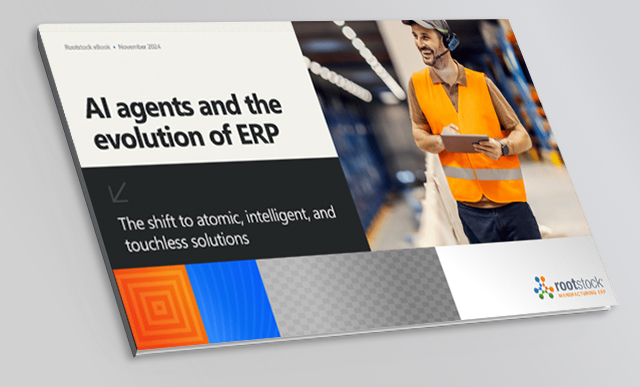
AI agents and the evolution of ERP
Agentic ERP brings intelligent, AI-driven agents into the solution, allowing for more autonomous operations and decision-making. These AI Agents are capable of analyzing large datasets, predicting outcomes, and automating routine tasks, freeing up workers for more strategic activities.
State of AI in Manufacturing
Improved efficiency (49%) and productivity (40%) are the top benefits manufacturers currently gain from AI, with production planning and quality control identified as key areas for added value. Manufacturers are increasingly aligning their AI strategies with supply chain optimization and big data analytics to meet demand and ensure resilience.
Modernize to monetize: BMC’s connected platform powers a shift to help drive more profit
BMC Software transformed its revenue operations by adopting a unified subscription-based model with the help of PwC and Zuora, resulting in streamlined processes, improved data integration, and enhanced customer satisfaction.
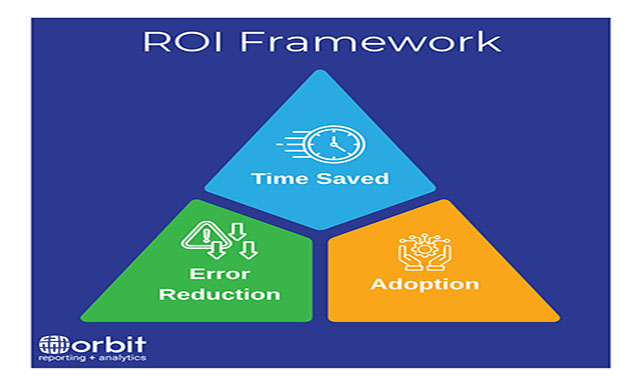
The ROI of Instant Insights: Quantifying the Business Impact of Orbit websheets
Orbit Websheets allow users to create flexible, interactive reports connected to live ERP data without depending on IT. As a result, teams are empowered to make quicker, more informed decisions while reducing the overhead of traditional reporting cycles.
Orbit Analytics Introduces Websheets; A Cloud-Native, AI-Powered Spreadsheet Tool for Oracle and Cloud Data
Orbit Analytics has launched Websheets, an AI-powered cloud-based spreadsheet interface that connects directly to live data, improving efficiency and saving users up to 35% on data analysis tasks while enabling real-time access and collaboration for finance, operations, and executive teams.