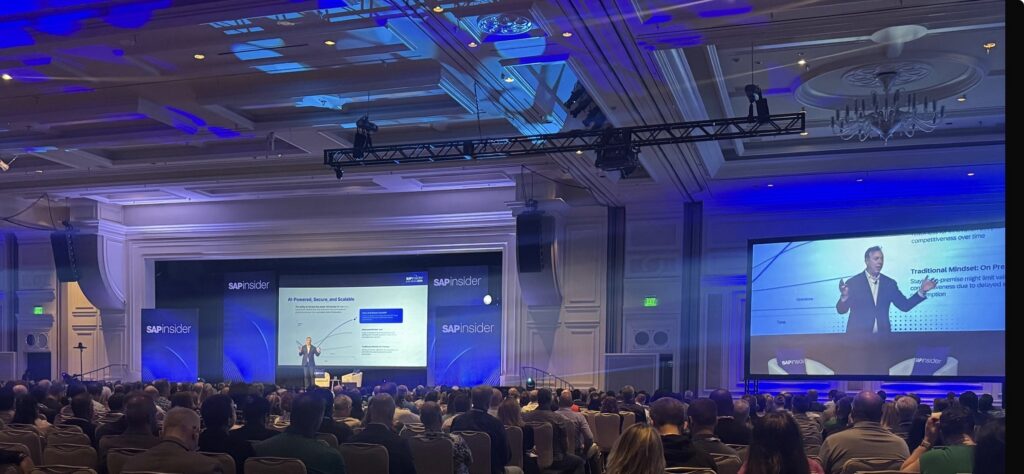
SAP is expanding its global learning and certification ecosystem as part of a commitment to equip 12 million people with AI-ready skills by 2030, positioning workforce readiness as a structural requirement for the next phase of ERP and Business AI adoption. The initiative extends SAP’s partner-led delivery model for instructor-led training and accelerates the shift toward performance-based certification as AI becomes embedded across enterprise platforms.
The expansion centers on changes to how SAP training is delivered and validated. Beginning in 2026, SAP will broaden access to instructor-led SAP Learning Class courses through an expanded network of authorized partners, increasing regional coverage and language availability while standardizing delivery and assessment across its ecosystem.
SAP’s Global AI Skilling Strategy
India was identified as a strategic focus market within the initiative. SAP said the country represents 26% of its global learner base and plays a central role in its long-term skilling strategy, driven by rapid digital modernization and demand for SAP expertise across consulting, development, and technology roles. The company cited more than 25,000 open SAP-related roles in India, reflecting continued demand for trained professionals as organizations modernize systems and adopt AI-enabled capabilities.
SAP also highlighted the evolution of its certification model toward performance-based validation. Since 2022, the company has reached 4 million learners globally, expanding its learning journeys from seven to more than 400. SAP said 65 certification exams—representing 61% of its total certifications—have already transitioned to hands-on, performance-based formats, with remaining certifications expected to follow in the first half of 2026. These exams incorporate practical assessments using AI-enabled tools such as SAP Joule for consultants.
Vikram Karakoti, global head of enterprise solutions at TCS, said competency-based SAP certifications align with enterprise demand for real-world SAP and AI expertise, particularly across SAP Business Technology Platform and generative AI use cases.
“Preparing the global workforce for the AI era requires learning that is practical, scalable, and connected to real business needs,” said Andre Bechtold, president of SAP Industries & Experiences. “By expanding access to high-quality AI-enabled SAP training, we are helping professionals build the skills that power modern enterprises.”
SAP said the expanded ecosystem is intended to support standardized team upskilling at scale, flexible learning pathways across AI and system administration roles, and training models that mirror real implementation environments.
What This Means for ERP Insiders
ERP transformation is increasingly gated by skills availability. SAP’s skilling expansion highlights a growing constraint facing ERP programs: the gap between AI-enabled platform capability and the availability of implementation-ready talent. For ERP leaders and transformation owners, workforce readiness is emerging as a critical dependency alongside system architecture and data strategy.
Performance-based certification signals a move toward execution-centric ERP validation. The shift away from theory-heavy certification toward hands-on, AI-assisted assessment reflects enterprise demand for practitioners who can operate complex ERP environments in real conditions. For systems integrators and enterprise architects, this reinforces the importance of demonstrable execution skills over credential volume.
Partner-led learning mirrors the decentralization of ERP delivery models. By scaling training through authorized partners and regional ecosystems, SAP is aligning skills development with how ERP is actually implemented and supported globally. This approach suggests that future ERP competitiveness will depend not only on product roadmaps, but on the depth, distribution, and readiness of the surrounding talent ecosystem.
*Editor’s note: This article was originally published by SAPinsider on January 10, 2026.