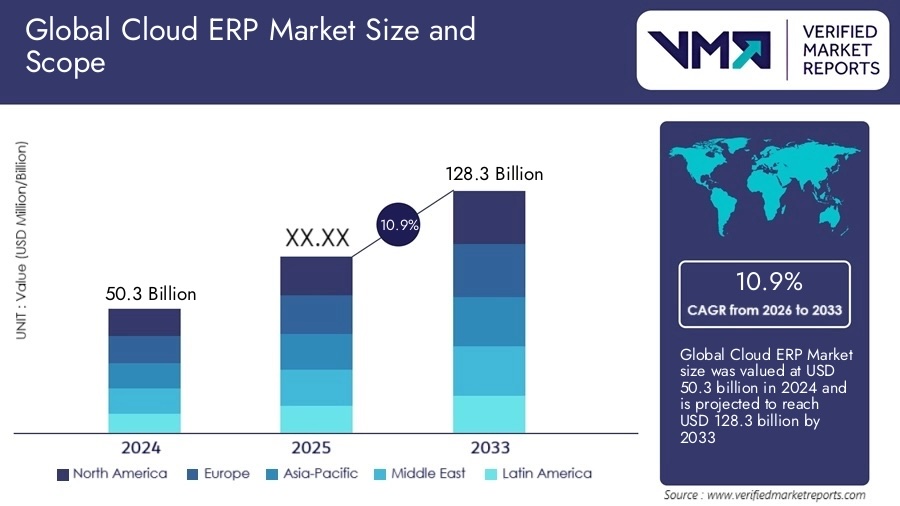

The global system integration market is expanding rapidly, powered by enterprise digital transformation, rising cloud adoption, cybersecurity requirements, IoT deployment, and increasing automation. According to a report by Exactitude Consultancy, the market is expected to reach $600 billion by 2030 with a CAGR of 6.1%.
As organizations accelerate digital adoption, the complexity of managing multiple systems, platforms, data streams, and automation tools has grown significantly. System integration solves this challenge by enabling seamless connectivity across enterprise ecosystems.
System integration enables organizations to combine legacy systems with modern platforms, ensuring streamlined workflows, real-time data visibility, and improved operational efficiency. From cloud migrations and ERP modernization to AI analytics, industrial automation, and cybersecurity, system integration is now the backbone of digital enterprise transformation across every industry.
System integrators also operate as specialists in niche industries. They can provide technical expertise and bridge the gap for companies looking to take the next step in their digital transformation journey.
Six Key Market Growth Forces for the Market
The system integration market’s expected growth over the rest of this decade depends on six key aspects:
- Digital transformation
- Cloud migration and hybrid IT
- Smart Manufacturing and Industry 4.0
- Cybersecurity modernization
- Data integration and business intelligence/analytics
- Rapid automation growth.
ERP systems will play a key role in several of these forces because companies need good information to help achieve their goals. A good ERP system, whether in the cloud or a legacy product, can help system integrators find common themes and trends to make better and more informed decisions. As information, particularly when coupled with AI, becomes more sophisticated, the ERP can be the bedrock for the system integrator.
The system integration market is positioned for strong long-term growth as organizations modernize operations, embrace cloud ecosystems, and adopt advanced digital technologies. As demand increases for unified platforms, seamless data flow, and secure architectures, system integrators will play a key role. ERP systems can stand right behind them and give them the strong footing they need to make the best decisions for their client.
What This Means for ERP Insiders
ERP platforms are critical for system integration’s acceleration. Rising digital transformation, cloud migration, automation, and cybersecurity modernization are increasing ecosystem complexity. This makes the integration process essential. For ERP vendors and system integrators, there is a greater needed to strengthen interoperability and modernize architectures, ensuring ERP remains the data and process anchor.
Industry-specific integration demands elevate ERP modernization and data intelligence. As system integrators support diverse verticals and orchestrate legacy-to-modern transitions, ERP systems must provide deeper analytics, cross-platform visibility, and real-time data orchestration. ERP product roadmaps need to emphasize embedded AI, improved data models, and integration accelerators. These will help system integrators uncover patterns and reduce project risk.
The system integration market expansion fuels the need for reliable ERP systems. With the system integration market expected to reach $600 billion by 2030, there is a shift toward unified digital ecosystems and secure, scalable architectures. For ERP and transformation leaders, this growth trajectory signals the need to prioritize cloud-ready platforms, cybersecurity alignment, and deeper system integrator partnerships to meet rising expectations for connectivity and operational intelligence.