
enterprise automation

Having It Both Ways: How Hybrid Cloud Control and Orchestration Achieve Reliable, Resilient Enterprise Ops
Hybrid cloud orchestration gives enterprises a way to coordinate legacy, SAP and cloud-native environments without sacrificing reliability or control. AI-powered automation is expanding that model by improving workload management, resilience and operational visibility.
AI is doing more than making enterprise systems smarter. It is exposing weak data, disconnected processes and unclear ownership that were already there.
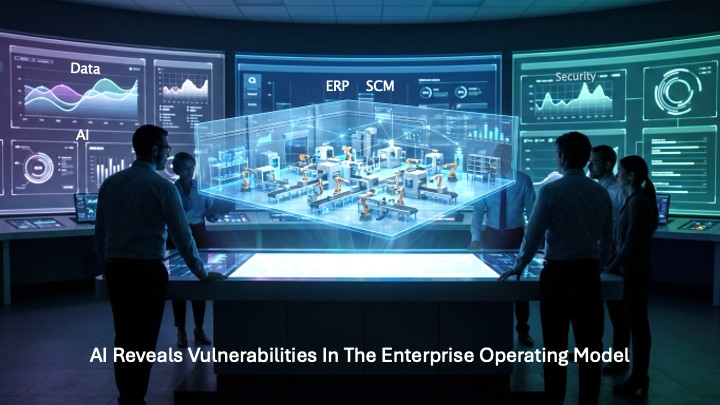
AI Reveals Vulnerabilities in the Enterprise Operating Model
Enterprise AI is not held back only by technology. ERP, supply chain, data, security, and people need to work together in a connected operating model that turns trusted context into controlled action.
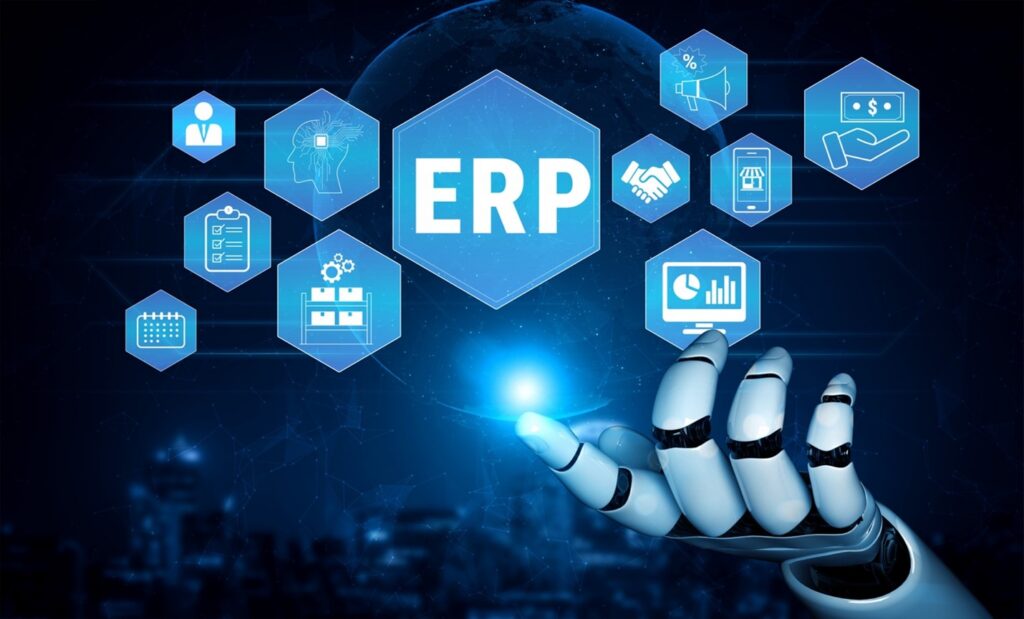
Future ERP systems will likely undergo a significant transformation, from static and reactive to dynamic, event-driven platforms powered by agentic AI, enabling them to execute workflows and interact autonomously across business processes. Image from Adobe.
Event-Driven Agentic AI: What Happens When ERP Becomes the Operator
The ERP landscape is undergoing a transformative shift towards event-driven architecture and agentic AI, moving from static systems reliant on manual input to autonomous, adaptive platforms that can proactively respond to business events, enhancing operational agility and decision-making while necessitating careful governance and data quality management.
ERP cloud lifecycle management dashboard showing integration complexity and AI-driven automation
Opkey Report Signals ‘Cloud Velocity Crisis’ as ERP Complexity, Costs, AI Expectations Collide
A new report from Opkey finds enterprise ERP teams struggling to keep pace with cloud release cycles, rising integration costs, and manual lifecycle processes, with agentic AI emerging as a key response.