
Each custom furniture order at Tutto Pelle involves product specifications, payments, billing and delivery details that employees need throughout the sales process. Under its previous ERP system, Microsip, retrieving that information often meant navigating different screens and cross-referencing records. The Mexico City-based furniture maker has since switched to Acumatica Retail Management Edition, cutting reporting cycles from two weeks to minutes, according to Acumatica.
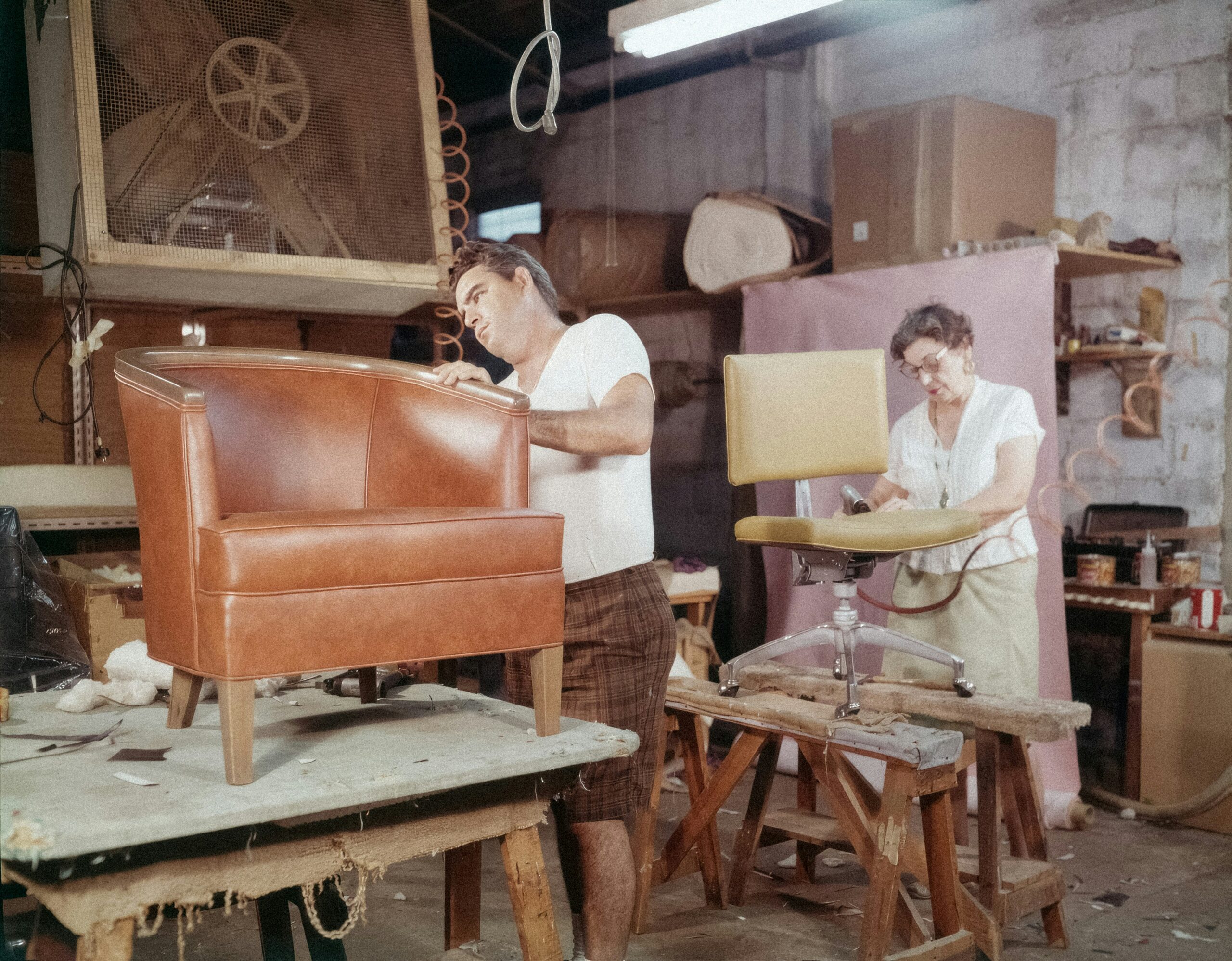
Founded in 1993, Tutto Pelle designs, manufactures, distributes, and sells made-to-order sofas, sectionals and armchairs in Italian leather. As its business needs evolved, disconnected processes across sales, inventory, finance and operations made it difficult to coordinate specialized orders and retrieve information quickly. Employees spent time reconciling records, while management lacked timely access to performance data.
Disconnected Records Complicated Order Management
One recurring problem was checking customer payments. Determining which payments remained outstanding required staff to consult different sections of Microsip and compare the information manually. The same fragmentation affected other business processes. Sales teams needed order specifications and payment information, while inventory and operational teams relied on related records to manage fulfillment. Without an easily accessible view across departments, configuring and delivering customized orders became more complicated.
To address these challenges, Tutto Pelle evaluated cloud ERP alternatives based on pricing, performance, system speed and their ability to support its business requirements. The company selected Acumatica Retail Management Edition, working with implementation partner ClandBus.
Acumatica Brings Commercial and Financial Processes Together
Working with ClandBus, Tutto Pelle deployed Acumatica’s financial management, inventory control, order management and CRM applications, along with Mexican localization. The implementation also included functionality tailored to the company’s operations, such as electronic invoicing integrated with Mexico’s SAT tax authority, automated currency exchange-rate updates and landed-cost calculations covering freight, duties and customs expenses. These capabilities helped address the financial and regulatory requirements of a business that imports materials, while Acumatica Generic Inquiries gave managers a way to retrieve and combine data for reporting and analysis.
The transition also required employees to adapt to a different way of working. Staff had to move beyond habits developed with the previous software and learn how information and processes were organized in Acumatica. To support that change, ClandBus worked with Tutto Pelle to develop visual quick guides that helped employees become familiar with the new workflows.
Customer Records and Reporting Become Easier to Access
With Acumatica, Tutto Pelle employees can now access customer information directly from an order record, including product specifications, outstanding payments, billing and delivery details. This eliminates much of the manual cross-referencing previously required to answer customer account questions and gives commercial teams a clearer view of each transaction.
The same access to connected data has improved management reporting. Commercial managers can use Acumatica dashboards to monitor store performance, analyze sales results and track key performance indicators without manually gathering information from different parts of the business. According to Acumatica, reporting cycles that previously took two weeks can now be completed in minutes. ClandBus also identifies financial and operational reporting among the processes improved by the implementation, although neither company has disclosed how the original reporting cycle was measured.
With faster access to customer and performance data, Tutto Pelle’s commercial teams can spend less time assembling information and use it to assess sales activity, review outstanding payments and make operational decisions.
Reported Sales Gains and a Different ERP Cost Model
Beyond the operational improvements, Acumatica reports that Tutto Pelle has increased sales through better analysis of store performance and reduced costs under its licensing model, although neither gain has been quantified. Unlike traditional per-user licensing, Acumatica bases its pricing on the applications selected, expected resource consumption and deployment requirements. This allows Tutto Pelle to extend system access to more employees without purchasing individual user licenses, although higher resource usage can affect subscription costs.
Together, these changes have helped Tutto Pelle address the information gaps that previously slowed customer service and management reporting. The project also highlights the role of tailored integrations, local compliance capabilities and employee adoption in making an ERP replacement effective across day-to-day operations.
What This Means for ERP Insiders
1. Assess how well ERP connects data across departments. Tutto Pelle’s previous system required employees to cross-reference information across sales, inventory and finance, slowing routine tasks such as checking customer payments and tracking orders. ERP teams planning an upgrade should assess whether their existing systems provide a consistent view of transactions across departments and identify where disconnected records create manual work or delay decisions.
2. Address localization and industry-specific needs during ERP planning. Tutto Pelle’s implementation included electronic invoicing integrated with Mexico’s SAT tax authority, automated exchange-rate updates and landed-cost calculations for imported materials. These requirements can influence the scope, cost and complexity of an ERP project. Organizations should identify them during system selection and determine which capabilities are available in the standard platform and which require partner-developed functionality.
3. Establish measurable outcomes and support employee adoption. Acumatica and ClandBus report that Tutto Pelle reduced financial and operational reporting cycles from two weeks to minutes. The implementation also included configured reporting tools and employee training materials to support the transition. ERP teams should define reporting turnaround times, manual processing requirements and other performance measures before deployment, then evaluate whether the new workflows deliver sustained improvements after go-live.