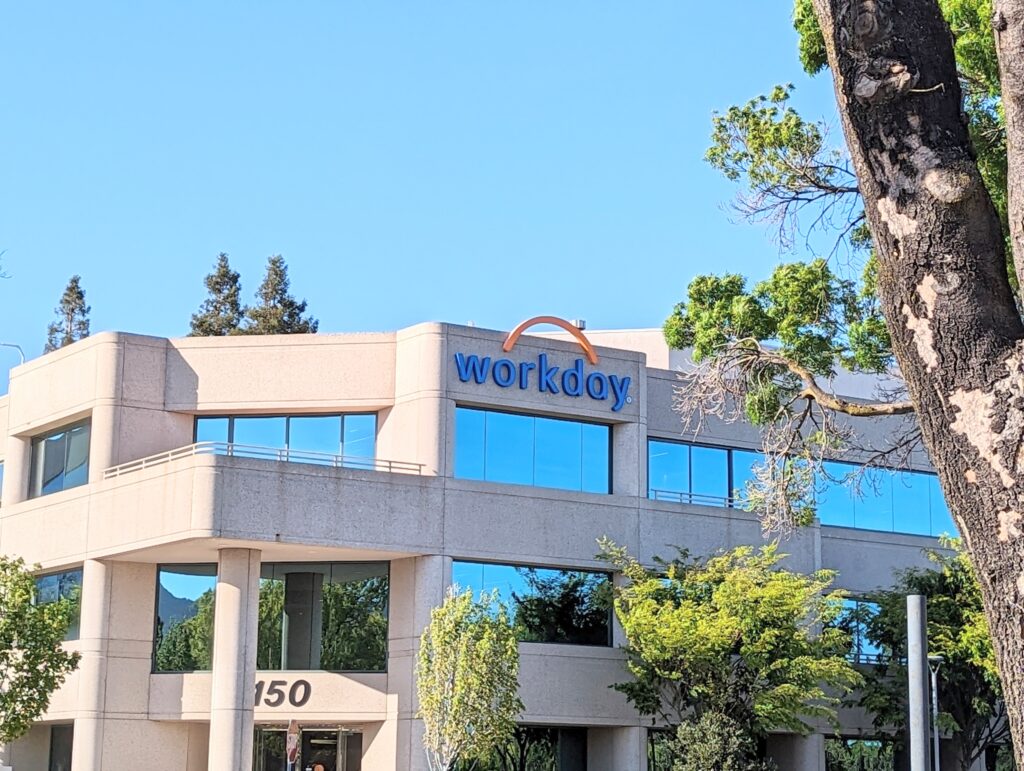

Workday reports that more than 100 state and local government customers selected its platform over the past two years, a pace the company describes as signing a new public sector agency nearly every week.
The company frames this as part of a growing trend of states, local governments, and special districts replacing disconnected legacy systems with a unified platform for HR and finance.
Recent customer wins span multiple tiers of government, including Bexar County, the State of Delaware, and the Commonwealth of Massachusetts, while recent go-lives include the City of Akron, Ohio, the State of Georgia, and the City of San Mateo, California.
One Platform for HR, Finance, Payroll and Contracts
Workday positions its public sector offering around bringing HR, financial, payroll, and contract management solutions together on one platform. The company states that more than 340 public sector organizations in the U.S. currently run on Workday, alongside the 100-plus new customers signed in the past two years.
Workday also offers contracting vehicles intended to help public sector organizations save time and resources when procuring cloud-based HR and finance solutions, a mechanism that mirrors the cooperative purchasing agreements many state and local governments already use to shorten technology sourcing cycles.
Consolidating HR, finance, and payroll onto a single data model is generally treated as a technical precondition for later automation and AI features, since fragmented source systems complicate the clean, unified data those features require. Workday’s public sector platform reflects that pattern, positioning contract management as an extension that becomes possible once core HR and finance data sit on one system.
Consolidation as the Foundation for AI Agents
The City of Akron, Ohio serves nearly 198,000 residents with a workforce of more than 2,300 employees, and for years it relied on a 30-year-old patchwork of on-premise legacy systems.
Those systems required paper-based processes and duplicate time entry, and kept the city on a path toward expensive HR system upgrades. Decommissioning multiple legacy systems in favor of a single application eliminated the need to mirror security settings across platforms and helped Akron avoid more than $1 million in recurring HR system upgrade costs.
The operational changes reached into daily workflows. Engineers moved from double time entry across project billing and payroll to a single entry point, and 600 employees who had never logged into a PC for work purposes gained access to self-service and mobile capabilities. Vendor payments shifted from physical mail to ACH, reducing late and missed payments. Software costs also became predictable through a subscription model, replacing the periodic capital upgrades the legacy environment had demanded.
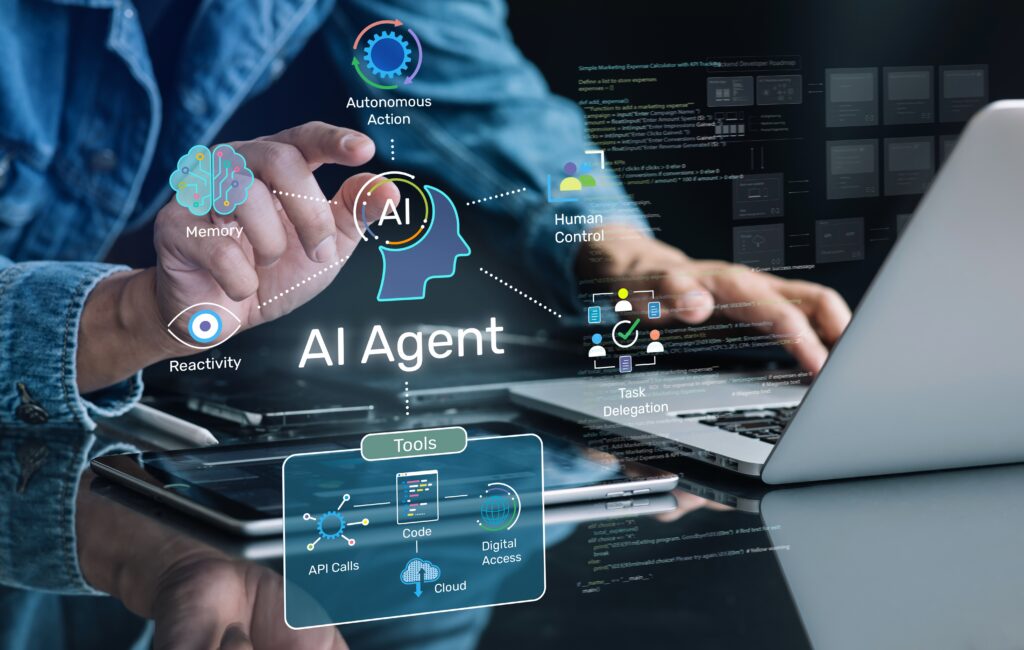
Only after HR, finance, and payroll stabilized on the unified platform did Akron begin using Workday’s Self-Service Agent, Payroll Agent, and Financial Audit Agent, currently in early access. The city’s rollout has continued in phases beyond that core system, with its Learning Management System recently live, Recruiting coming online, and Contract Lifecycle Management currently in deployment. That sequencing illustrates a broader pattern in which agencies treat data consolidation as a prerequisite for AI adoption.
State-Scale Modernization in Under Three Years
Georgia’s deployment spans more than 200 agencies and brought over 70,000 employees onto Workday in about 30 months, replacing a heavily customized system that had been in place for 25 years. The state also had to replace processes that had accumulated around the legacy environment, including undocumented workflows and administrative work that remained dependent on spreadsheets.
Grants management had previously been handled manually in spreadsheets, with basic data requests sometimes taking days to complete. Workday is now being used to automate data entry and grants tracking across those agencies.
Gerlda Hines, state accounting officer for the State of Georgia, said, “For years, our agencies relied on a heavily customized, 25-year-old system that made it difficult to get timely information and work consistently across the state. With Workday, what once took days now takes minutes, giving our teams more time to focus on analysis, better decisions, and serving Georgians.”
The Georgia case adds a different dimension to Workday’s public-sector momentum. A city can consolidate several aging systems around one municipal organization; a statewide deployment has to establish common processes across hundreds of agencies and tens of thousands of employees. The reported 30-month rollout suggests that legacy ERP replacement is increasingly being treated not only as a technology refresh, but as an opportunity to standardize how government organizations perform.
What This Means for ERP Insiders
Legacy consolidation now precedes AI rollout. Akron’s sequencing shows agencies stabilizing unified HR, finance, and payroll data before activating AI agents. SAP teams planning automation on RISE or S/4HANA-adjacent projects should treat data unification as a distinct project phase that finishes before automation work begins.
Government ERP replacement cycle is accelerating. A reported pace of near-weekly public sector wins signals that agencies are actively evaluating replacements for decades-old systems. SAP account teams serving public sector customers should expect more frequent competitive evaluations during renewal cycles.
State-scale rollouts demand workforce readiness planning. Georgia’s 70,000-employee, 200-agency migration in roughly 30 months shows the scale of change management required alongside technical migration. Governance teams should budget training and adoption timelines as carefully as the technical cutover itself.