
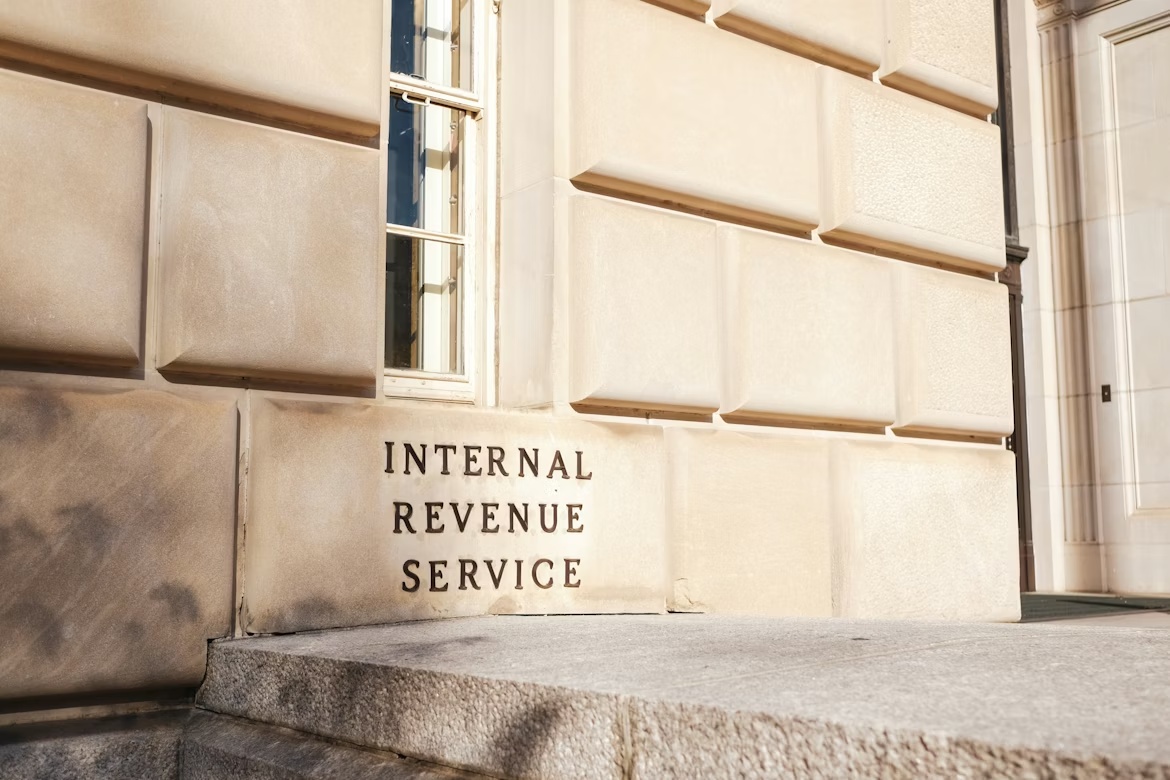
Tax season scams in 2026 include fake Internal Revenue Service (IRS) messages, phishing texts, spoofed phone calls, and fraudulent tax websites. Federal US officials and security researchers warn that scammers are also using AI, QR codes, and other tools to make those schemes more convincing as the filing deadline approaches.
Many of these threats target taxpayers directly. They also create cyber risk for accountants, tax preparers, payroll teams, and organizations handling financial and employee data.
Common Scams Include IRS Impersonation, Phishing Texts, and Fake Tax Websites
The most common tax season scams still rely on impersonation. Scammers send emails, texts, or phone calls that appear to come from the IRS, a tax software provider, or another trusted source, then try to pressure people into sharing sensitive personal information.
The IRS says those scams now extend across email, text, direct messages, and phone calls, often using fake websites, alarming language, and links or QR codes that direct victims to spoofed pages. Congressional leaders have echoed the warning, stressing that the IRS does not contact taxpayers through social media, demand immediate payment, or threaten law enforcement in an initial outreach.
Beyond impersonation, officials are also warning about misleading tax advice circulating on social media, overstated withholding schemes designed to inflate refunds, and aggressive tax debt relief marketing that overpromises results.
The common thread is credibility. Each tactic is designed to look official, urgent, or financially beneficial enough to lower skepticism at the moment a target is asked to act.
Analysis
What This Means for ERP Insiders
Tax scams are now exploiting trust. In ERP environments, that raises risk because trusted requests often sit close to financial data, workflows, and approvals.
How AI, QR Codes, and IRS Phishing Are Expanding Tax Scam Risk for Businesses
What is changing in 2026 is the way threat actors are improving how scams are delivered. Federal officials and security researchers say AI, QR codes, and more polished impersonation tactics are making tax-related fraud harder to identify.
Microsoft reported multiple tax-themed phishing and malware campaigns during the 2026 filing season, including a February attack that sent fake W-2 documents and malicious QR codes to about 100 organizations in manufacturing, retail, and healthcare. It also identified a broader IRS-themed phishing wave that targeted more than 29,000 users across 10,000 organizations, primarily in financial services, technology, retail, and consumer goods.
These campaigns show how tax season scams are extending beyond consumer fraud into enterprise security risk. Attackers are using tax-related lures to steal credentials, deliver malware, and gain access to systems through tools that can be difficult to distinguish from legitimate software. The result is a wider threat surface that touches both individual taxpayers and the business teams responsible for tax, payroll, and financial data.
Analysis
What This Means for ERP Insiders
Tax season creates an exposure window. Predictable enterprise filing workflows give attackers an opportunity to blend credential theft with routine business activity.
Why Tax Professionals, Payroll Teams, and Accountants Are Prime Targets
Tax professionals are also a direct target. TurboTax warns that scammers are sending emails that appear to come from clients, the IRS, or e-file providers to steal credentials, install malware, or gain remote access to tax preparation systems.
It also warns about voice phishing calls in which attackers pose as software or filing support providers and ask for remote access under the pretense of fixing a problem.
That matters because tax preparers, accountants, and payroll teams sit close to high-value data and filing workflows. A compromised account or device can expose employee records, tax documents, financial information, and access to systems used across multiple clients or business units. What looks like a routine tax-season message can become an entry point into broader finance and administrative systems.
This extends the risk beyond the tax filing deadline. Although some scammers will attempt to trigger fraudulent filing or payment, more sophisticated threat actors are focused on gaining access to systems, credentials, or business data that can be exploited later.
Analysis
What This Means for ERP Insiders
Tax professionals are a persistence target. Their seasonal authority and system access make them useful entry points for fraud and follow-on compromise.
How Businesses Should Respond to Tax Season Scams and IRS-Themed Phishing
Federal guidance remains useful at the individual level, but tax season also creates a narrower window of elevated risk for employers.
Security teams should expect more IRS-themed emails, fake tax document requests, spoofed support calls, and links or QR codes designed to capture credentials or deliver malware. That means reinforcing basic controls around email, remote access, and identity verification during the filing period and in the weeks afterward, when taxpayers and businesses may still expect return- or refund-related communications.
The IRS says taxpayers should rely on IRS.gov and other official channels rather than links delivered through email, text, or social media. The same principle applies inside organizations. Employees in finance, payroll, tax, and HR should confirm unusual requests through known internal contacts, vendor portals, or official websites instead of replying directly to emails, texts, or calls that appear urgent or legitimate.
Cybersecurity teams should treat tax season as a targeted awareness period. That can include reminding employees not to open unexpected tax documents, scan QR codes in unsolicited messages, or grant remote access to anyone claiming to represent a partner. Closer monitoring of credential use, remote administration tools, and tax-related phishing attempts can also help organizations identify suspicious activity.
Analysis
What This Means for ERP Insiders
Tax season pressures control discipline. When deadlines compress judgment, verification becomes a safeguard across tax, payroll, and finance workflows.
About Us
ERP Today covers how ERP, cloud, and AI change the way businesses run. Our editors speak with practitioners, vendors, and analysts to surface the technology, contracts, and risks that matter for enterprise leaders.
Alongside our newsroom coverage, we run in‑person summits where ERP leaders compare notes on programs like yours, and a research practice that turns reporting like this into organization‑specific briefings and content.