
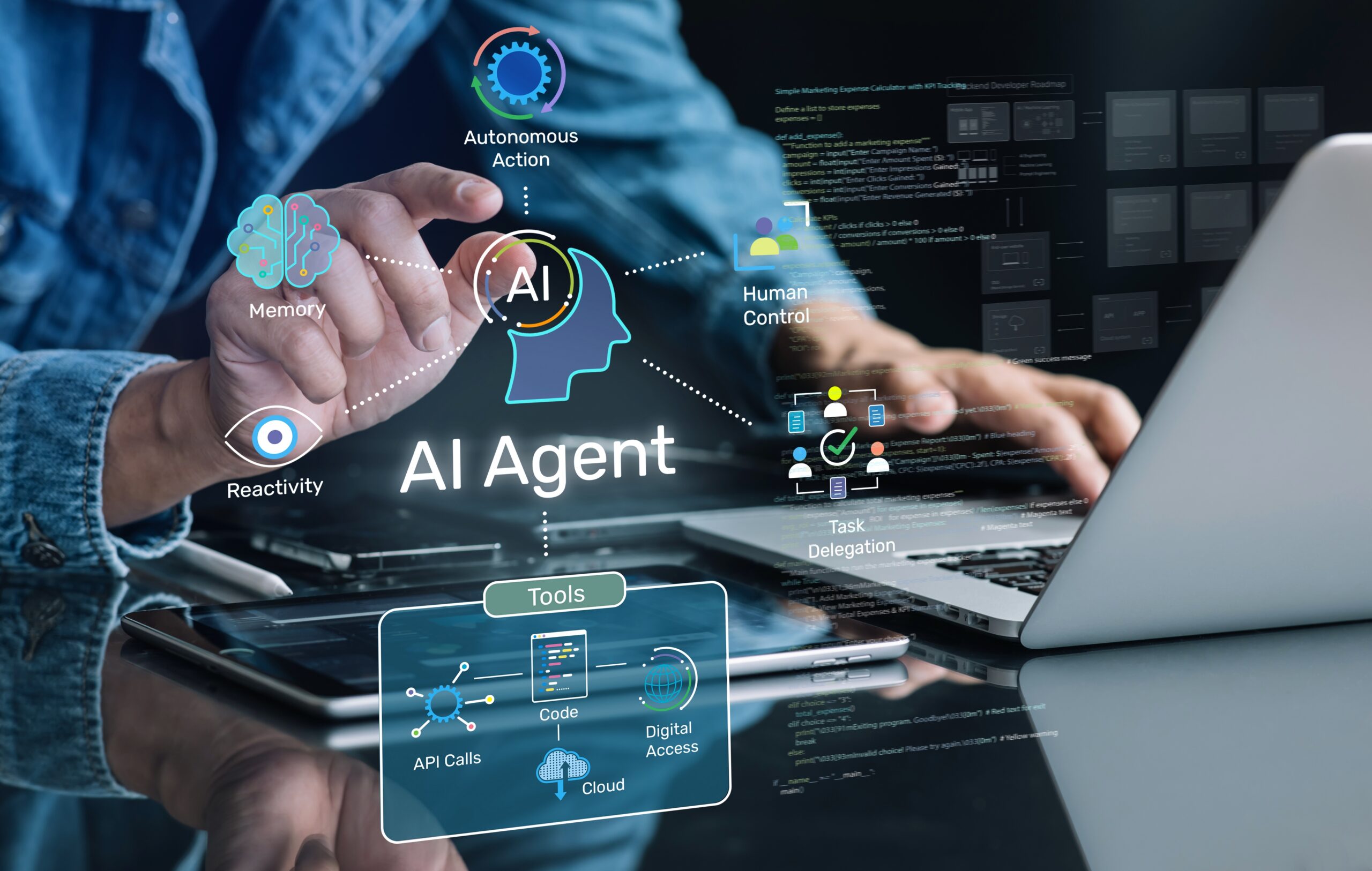
Enterprise AI has a context problem. Organizations that have invested in AI agents and agentic platforms are finding that the agents underperform not because the models are inadequate but because those models lack an accurate, real-time understanding of how the business actually operates. Celonis launched the Celonis Context Model (CCM) and announced a definitive agreement to acquire AI decision intelligence firm Ikigai Labs to solve exactly that problem.
The announcements define a new architectural tier in the enterprise technology stack that Celonis calls the context layer, which sits between enterprise data sources and the AI agents that need to act on them, continuously translating business operations into a form that AI can reason about.
Analysis
What This Means for ERP Insiders
Operational context is the critical missing layer in enterprise AI architecture. ERP vendors and SIs that cannot provide agents with real-time process context will face displacement as organizations prioritize platforms that close the gap between data and reliable AI action.
What the Context Model Actually Does
The CCM is a real-time digital twin for enterprise operations. It pulls process data and business knowledge from every system, application, device and interaction across the organization, and provides that unified operational picture to AI agents so they can reason correctly, act reliably and deliver results at scale.
Without it, AI agents operate on approximations. They miss process nuances, misapply business rules and produce outputs that look plausible in a demo but fail under operational conditions. That failure mode has become the defining barrier to AI deployment confidence across enterprise environments.
“Context is what makes the difference between AI that’s impressive in a demo and AI that’s trusted and safe to deploy,” said Jerome Revish, SVP and CTO at Cardinal Health, an early CCM deployer in a press release. For healthcare, manufacturing and financial services organizations where AI errors carry regulatory and financial consequences, that distinction is not rhetorical. It is a deployment gate.
Analysis
What This Means for ERP Insiders
MIT-backed simulation capabilities signal a shift to ERP prediction. As Ikigai Labs technology integrates into the Celonis platform, enterprise architects must plan for a future where ERP transformation success is measured by forecast accuracy and scenario-modeling depth.
Ikigai Labs Adds Simulation and Forecasting to the Platform
The acquisition of Ikigai Labs, founded on nearly two decades of MIT research, extends the CCM from operational awareness into forward-looking decision intelligence. Ikigai Labs’ capabilities in planning, simulation and forecasting, built on foundation model technology for structured data, give Celonis customers the ability to model future-state scenarios, predict process breakdowns and reduce planning cycles that currently span months.
As part of the acquisition agreement, Celonis will gain exclusive rights to MIT-owned patents and MIT will become a shareholder in Celonis. Ikigai Labs co-founder Devavrat Shah, a Chaired Professor of AI at MIT, will join Celonis as Chief Scientist of Enterprise AI, bringing the research foundation directly into the product organization.
The ERP Integration Framework is Already Built
For technology executives evaluating whether the CCM fits their existing architecture, Celonis has pre-built the integration layer. Zero-copy connections reach AWS, Databricks, Microsoft Fabric and Snowflake on the data side. Pre-built connectors link to Oracle and other leading ERP and CRM platforms. On the agentic execution side, the CCM is accessible from Amazon Bedrock, Anthropic’s Claude, IBM watsonx Orchestrate, Microsoft Copilot and Oracle OCI Enterprise AI.
That breadth means the CCM is designed to work with whatever agentic framework an organization has already deployed, adding operational context to agents already in production rather than requiring a platform replacement. For ERP transformation leaders, the immediate evaluation question is whether the existing data and process architecture can support context-layer ingestion at the depth and frequency the CCM requires.
Analysis
What This Means for ERP Insiders
Pre-built, zero-copy ERP integration is the new competitive baseline for AI middleware. Technology executives should require vendors in the context and process intelligence category to demonstrate production-ready connectors to existing ERP and data platforms before committing to any agentic deployment at scale.