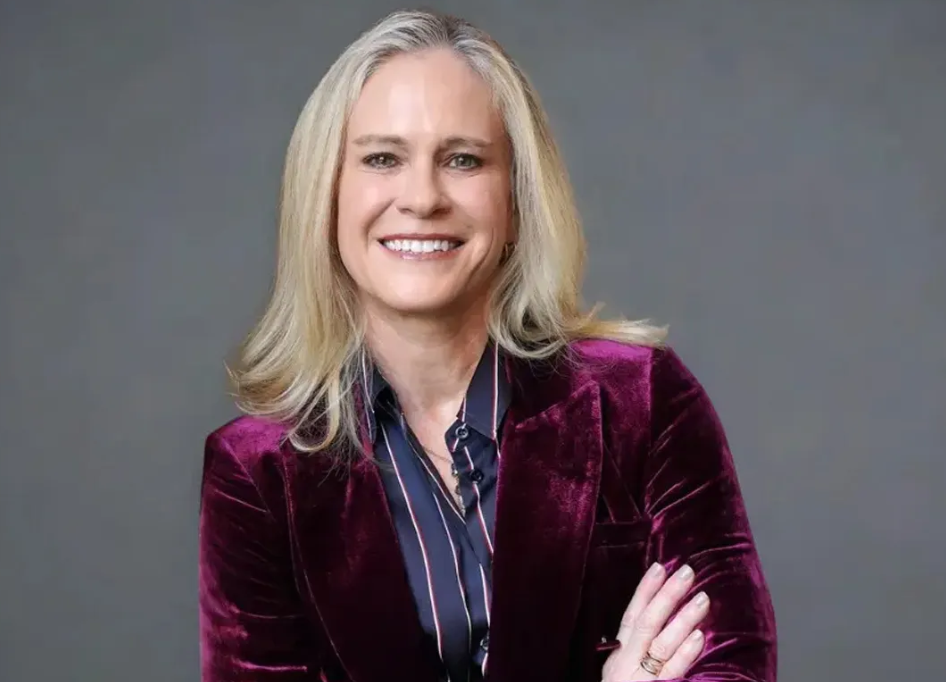
Epicor announced on June 9 the appointment of Rachel Barger as Chief Revenue Officer (CRO), giving her responsibility for strategy and execution across the company’s global sales and recurring revenue teams. Barger reportedly joins Epicor with more than two decades of global technology leadership experience across enterprise software and SaaS, with previous senior roles at UKG, Cisco, and SAP.
Epicor said Barger will focus on deepening customer relationships, accelerating recurring revenue growth, expanding and strengthening the partner ecosystem, and improving cross-functional alignment to support customer outcomes and operational predictability globally.
The appointment comes as Epicor continues to position itself around industry-specific ERP for the “make, move, and sell” economy and its Cognitive ERP vision, which centers on embedding intelligent agents, automation, and human-guided decision support into enterprise workflows.
Analysis
What this means: Epicor is linking revenue execution to customer expansion. Barger’s mandate spans global sales, recurring revenue, customer relationships, and partner growth, which points to a go-to-market model built around long-term account value rather than one-time ERP transactions. The appointment reinforces how subscription growth depends on coordinated sales, adoption, expansion, and ecosystem execution.
Revenue Mandate Tied to Customer Growth
Epicor CEO Steve Murphy framed the appointment around global scale, operational discipline, and customer-focused execution.
“Rachel brings an exceptional combination of global scale, operational discipline, and customer-first leadership,” Murphy said. “Her proven ability to lead large global teams and multi-billion-dollar organizations through transformation and growth makes her the right leader to help accelerate Epicor’s momentum worldwide.”
Murphy also tied Barger’s appointment to Epicor’s AI and industry-focused product direction, saying her experience will be important as the company strengthens customer relationships, scales the global business, and drives long-term growth.
Barger’s directive combines new growth, recurring revenue, partner expansion, and customer engagement. That mix matters for an ERP vendor serving manufacturing, distribution, and retail customers, where sales cycles, implementation partners, subscription expansion, and long-term customer value are closely connected.
Analysis
What this means: AI positioning needs a revenue model that can carry it into the installed base. Epicor’s Cognitive ERP message depends on customers adopting new intelligent agents, automation, and decision-support capabilities inside existing workflows. The practical takeaway is AI roadmaps need go-to-market discipline, partner enablement, and recurring revenue motions that turn product direction into customer adoption.
Partner Ecosystem Sits in the CRO Scope
Epicor said Barger will help expand and strengthen the partner ecosystem. That part of the mandate is notable because partner execution is central to how industry ERP vendors scale across geographies, verticals, and midmarket customer segments.
Barger has held senior leadership roles across the Americas, EMEA, and APAC. Epicor highlighted her experience in customer success, operational excellence, and sustainable growth, as well as her background leading high-performing go-to-market organizations.
“I’m excited to join Epicor at such an important moment in the company’s growth journey,” Barger said. “Epicor has built a strong reputation for delivering industry-focused innovation that helps essential businesses thrive. I look forward to working with our customers, partners, and teams around the world to strengthen execution, deepen engagement, and support long-term growth.”
Epicor said the appointment reinforces its continued investment in strengthening its global leadership team and accelerating growth across international markets.
Analysis
What this means: Industry ERP growth is tied to operational consistency across regions. Epicor is emphasizing Barger’s experience leading global teams across the Americas, EMEA, and APAC as it scales its make, move, and sell strategy. The leadership move signals a focus on making global customer engagement and partner execution more predictable.