
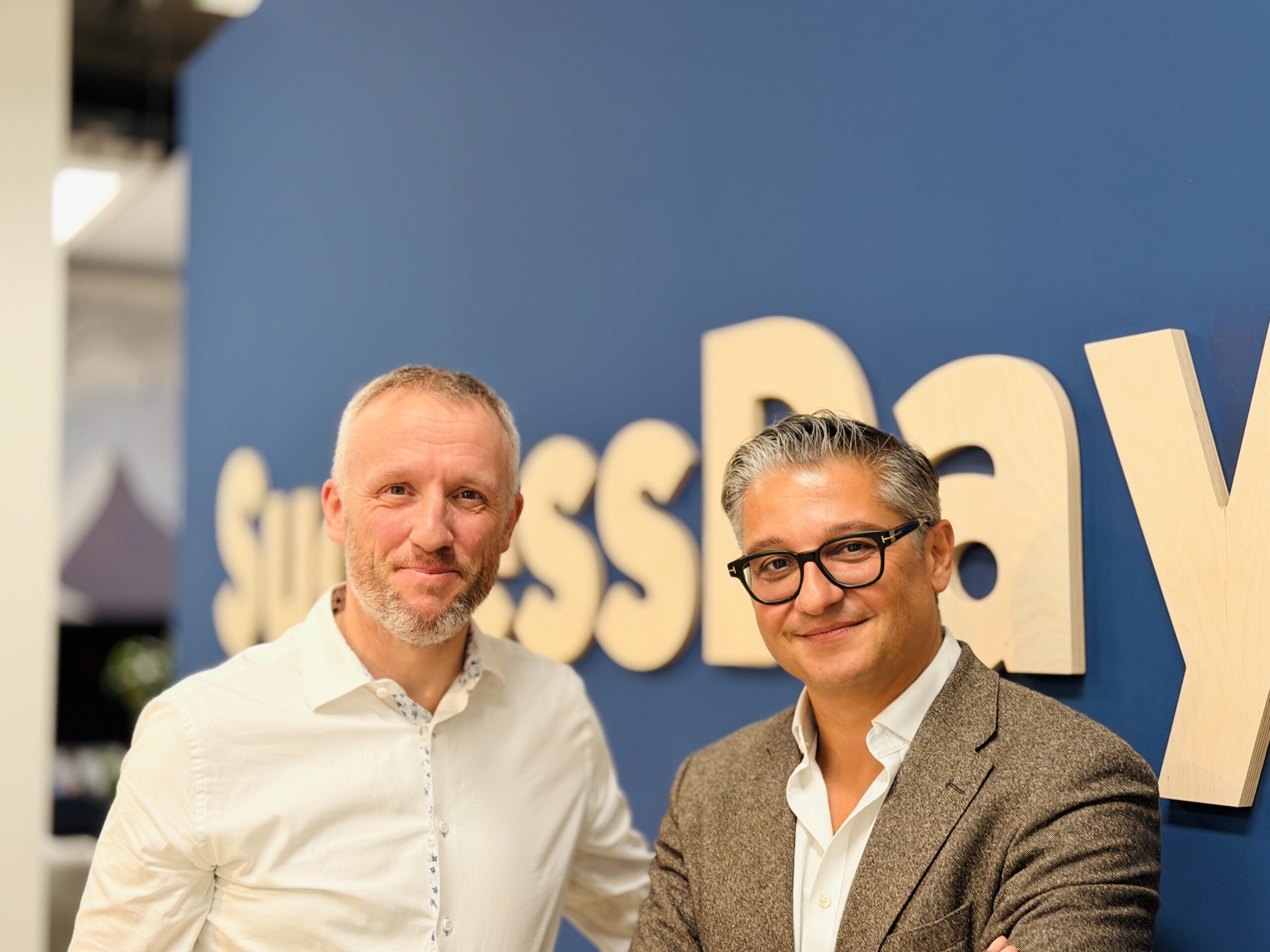
“I have been approached many times by competitors or private equity, but every time I said no.”
Bas Eggelaar, CEO and founder of SuccessDay, had little reason to reconsider that position. When CloudRock CEO and founder Minos Ataliotis reached out in mid-2025, Eggelaar was initially skeptical, having turned down similar approaches. But as discussions progressed, he says he quickly recognized a shared vision and cultural fit.
The outreach from CloudRock was deliberate. After reviewing inorganic growth options with advisors, Ataliotis and his team chose to approach only one firm: SuccessDay. The company stood out for its reputation, positioning, and ultimately, a sense that the two organizations could operate as an extension of each other’s teams.
In January 2026, CloudRock acquired SuccessDay, expanding its independent HR and finance advisory and services platform. ERP Today spoke with both founders about what this means for their operations, clients, and teams.
An Advisory-First Model for HR and Finance Transformation
The deal starts with how each company works with customers.
“Both organizations are advisory first,” Ataliotis said. “We consult and have an opinion when we are engaged with our customers.” That advisory posture is paired with delivery. “We can architect an approach or solution,” he added, “but we also have the firepower to execute and make it happen.”
Eggelaar described the combination in practical terms. “By combining CloudRock with SuccessDay we have created one of the largest independent HR and finance advisory, implementation and AMS firms of Western Europe,” he said.
The logic, he added, is geographic as much as operational. “CloudRock is predominately strong in the UK and Ireland, US and APAC, while SuccessDay is strong in Benelux, DACH and the Nordics — so it made sense to join forces.”
Technology shifts also shaped the timing.
Eggelaar pointed to the speed of vendor innovation and the opening of SaaS platforms, which now make co-development possible. At the same time, “the market is moving towards best of suite versus best of breed,” a transition accelerated by AI.
Integrating ERP Consulting Firms Without Disrupting Clients
Both founders are clear about what this combination is not meant to do.
Existing delivery models, client relationships, and reporting structures remain in place. Eggelaar cited strong customer satisfaction as a reason to avoid disruption.
Instead, the integration centers on collaboration and extension.
Teams will identify where each organization can strengthen the other’s service offerings. That work is supported by shared resourcing on live projects and a “buddy system” designed to build working relationships without forcing structural change.
Management continuity is part of that approach. Both leadership teams remain in place, and employees keep their existing managers. “The full focus is on growth,” Eggelaar said.
Ataliotis pointed to areas where CloudRock can add immediate scale, including offshore delivery in India, a more mature financials practice, and application development. Those capabilities extend SuccessDay’s reach without changing how clients engage day to day.
Balancing Global ERP Delivery With Regional Advisory Expertise
The starting point, Ataliotis said, is avoiding uniformity.
“First and foremost, there will not be a one-size-fits-all.” The emphasis instead is on preserving what already works within each organization.
“We would like to preserve the local expertise, relationships and knowledge of customers,” Ataliotis said, while retaining the flexibility to “go to market together, or under our own brands, drawing on each other’s expertise when we need to.”
Optionality, rather than standardization, is the guiding principle.
Eggelaar outlined what that looks like in practice. SuccessDay operates as a system integrator for Workday and Oracle, with a strong advisory focus and a large application managed services business. “We are the largest in Workday AMS in the region we operate,” he said, supported by an offshore team in the Philippines and nearshore delivery in Spain.
CloudRock brings a different footprint. It is strong across the UK and Ireland, US, and APAC, with offshore delivery in India and nearshore capability in Portugal. Taken together, Eggelaar said, that combination gives global customers greater depth of capability and more commercial flexibility.
Culture, Execution, and the Future of ERP Consulting Models
Ataliotis frames the next phase as foundational. “Everything starts with culture and purpose,” he said. Both organizations, he added, are aligned around advising customers, earning their trust, and “disrupting the traditional consulting models of the past.”
“Knowing that we need to move forward, deliver for our customers, partners and colleagues while ‘changing the tires of the car while driving’ is a constant challenge in a growing consulting firm,” Ataliotis said. “We have done this before, and we will need to do it again as we integrate the two companies going forward.”
Eggelaar offered an operational perspective. Similarities and differences in how the two firms work, he said, present an opportunity “to take the best from both worlds in search of continuous improvement,” adding that “this will only benefit our customers in the long term.”
Ataliotis described what that outcome would mean in practice: full-service advisory and system integration support for customers, wherever they may be in their ERP transformation journeys.
What This Means for ERP Insiders
Founder-led deals behave differently. When founders remain central to deal-making, growth decisions reflect operating philosophy. That influence shapes partner selection, integration pace, and cultural edge, producing combinations that are designed to extend how the business works rather than disrupt it.
Growth is being engineered with intent. This deal is not about scale for its own sake.
It extends capability where clients are already stretching globally, while preserving existing delivery models and the relationships built around them.
Delivery continuity has become a strategic advantage. As ERP programs grow more complex and span regions, clients increasingly value partners that can expand capability without resetting teams, governance, or workflows. Growth strategies increasingly hinge on whether continuity is preserved as businesses scale.