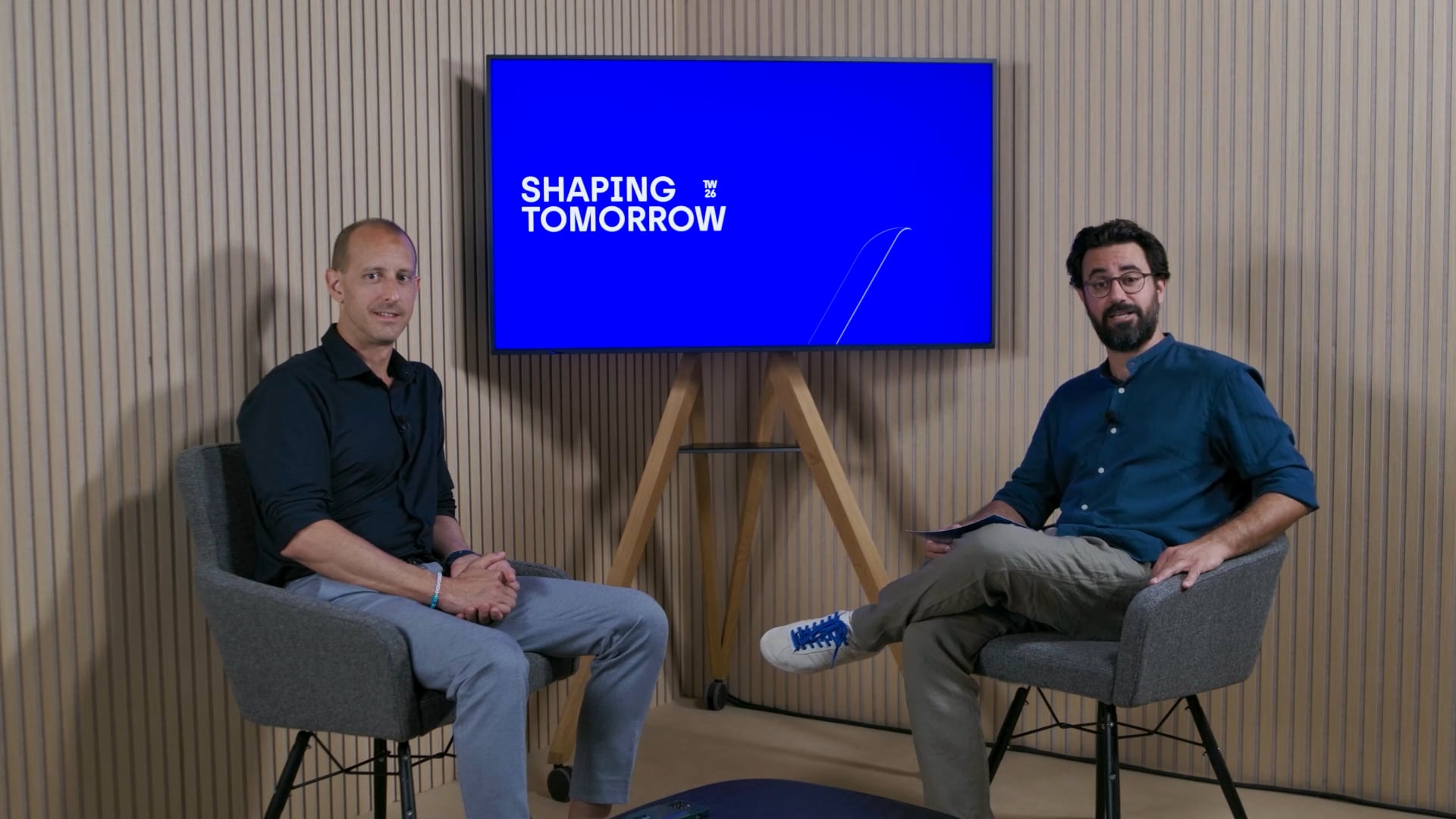
Transformation World 2026 · TotalEnergies
When TotalEnergies looked at its SAP estate, it found 17 legacy systems quietly consuming cost and risk. Aurelien Nourry, who leads the APS Projects department, describes an 18-month program that decommissioned those systems and shrank the data footprint from 100TB to around 40TB. The key, he explains, was building this as a business case rather than an IT initiative — quantifying compliance and audit exposure, cloud cost, and the cybersecurity danger of dormant “cocoon” systems that no one maintains but attackers can still reach.
“A cold legacy system isn’t harmless — it’s a liability sitting on your balance sheet and your attack surface.”
Using SNP’s Kyano Datafridge archiving approach, TotalEnergies preserved the data it was legally obligated to retain while retiring the systems around it. The payoff extends well beyond storage savings: Tourry frames the cleaner, consolidated landscape as the foundation for FinOps discipline and, increasingly, AI readiness. It’s a pragmatic blueprint for large enterprises facing the same tangle of obsolescence risk, compliance obligations, and spiraling cloud costs — proof that legacy retirement, done right, is a value-creation exercise.
About the Guest
 |
Aurelien NourryHead of APS Projects Department, TotalEnergies Aurelien Nourry leads the APS (Application Platforms & Solutions) Projects department at TotalEnergies, where he manages ERP projects, M&A system integrations, and citizen-development initiatives across the energy major. His team led a large-scale program to decommission legacy SAP systems and dramatically reduce TotalEnergies’ data footprint — reframing legacy retirement as a business case built on compliance, cybersecurity, and cloud-cost discipline, and laying the clean-data foundation for FinOps and AI readiness. |