Fujitsu is repositioning its long running GLOVIA ERP line with GLOVIA One, a cloud-based suite designed for mid sized Japanese companies that need AI ready core systems tuned to local business practices and regulations. For technology executives, the launch signals a push toward composable, API-driven ERP that embeds AI agents to support decision making without discarding decades of domain knowledge.
Analysis
What This Means for ERP Insiders
Japan-specific ERP will anchor AI adoption. GLOVIA One’s focus on Japanese legal systems, business practices and AI agents highlights how country specific ERP platforms will play central roles in bringing trustworthy AI into regulated, locally nuanced environments.
GLOVIA One Connects Local Requirements, AI Agents
GLOVIA One integrates Fujitsu’s accounting, human resources and payroll solutions into a consolidated ERP platform that can flexibly adapt to Japan’s commercial practices, legal systems and industry specific workflows. The system is delivered in a multi tenant cloud configuration on the Uvance Platform, which provides common services for security and operations and is intended to support phased evolution as regulations and business models change.
For CIOs and application owners, this architecture changes day to day work by reducing reliance on bespoke add ons and custom code that can be fragile under frequent legal and tax updates. Fujitsu has redesigned GLOVIA One to enable API-based integration with third party solutions, which minimizes future add on development and allows selection of optimal point solutions without locking into a single vendor stack.
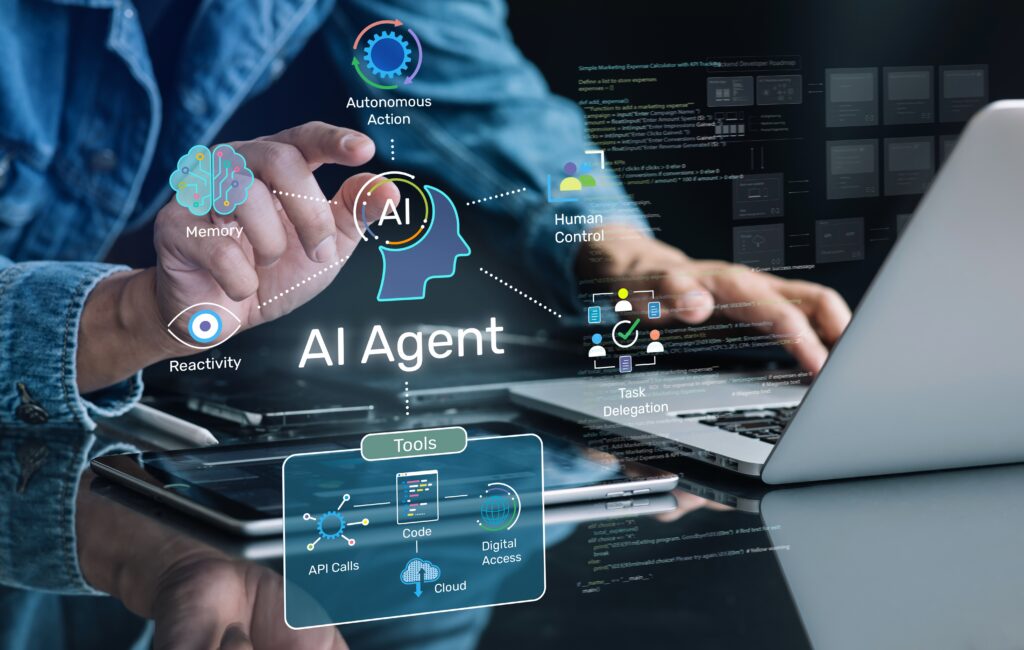
A notable feature is the ability to integrate and visualize data through an AI agent that supports human decision making. Instead of static reports, finance and operations leaders gain AI-assisted views across transactions and master data that highlight anomalies or emerging patterns while still leaving final judgment with managers.
Fujitsu is positioning these agents as context aware components that link decision making to execution by triggering workflows or suggesting actions that reflect Japanese business norms.
The launch addresses challenges that many mid sized Japanese companies face, including labor shortages and digital disparities between large enterprises and smaller regional firms. By offering an ERP foundation that incorporates AI agents and modern integration while remaining aligned with local compliance and business practice, Fujitsu aims to make advanced capabilities more accessible to organizations that lack large internal IT teams.
Analysis
What This Means for ERP Insiders
Composable architectures will reshape customization strategy. Fujitsu’s commitment to API-based integration and community built agents indicates that future ERP change will revolve around assembling reusable components instead of heavy custom code, altering partner and upgrade models.
Composable Architecture And Ecosystem Strategy For Japan
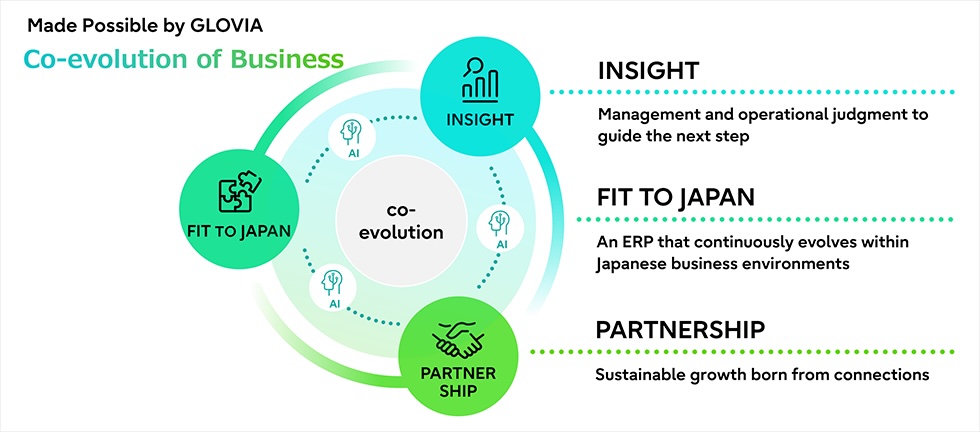
GLOVIA One is also a statement about ecosystem strategy. Fujitsu plans to openly share a composable architecture that combines functions, data and external services via APIs, enabling partners to contribute industry and business knowledge as AI agents and workflow components. Through what it describes as PARTNERSHIP in GLOVIA One, that knowledge will be implemented across the ecosystem and accumulated within a community model rather than remaining isolated in individual projects.
For enterprise architects, this approach suggests a future in which new capabilities are assembled by composing certified agents and services around a stable core, rather than commissioning one off customizations. That can change daily responsibilities toward catalog management, policy setting and lifecycle governance of reusable components across business units and subsidiaries.
Operating GLOVIA One on the Uvance Platform provides a common security and operations foundation that can support high availability and compliance expectations in sectors such as manufacturing and regulated services. This is particularly relevant for Japanese mid market firms that must meet growing cybersecurity and data privacy demands while still running lean IT organizations.
The combination of a Japan-born ERP design, AI agents that understand local business context and an open, API-based architecture aligns with broader ERP trends such as clean core adoption and industry specific innovation. For decision makers evaluating ERP options in Japan, factors such as native support for local legal changes, openness to third party services and a roadmap for AI assisted workflows now sit alongside traditional criteria like functional coverage and cost.
Analysis
What This Means for ERP Insiders
Ecosystem knowledge will live inside AI agents. The partnership concept, where industry know how becomes shared agents and functions, suggests ERP ecosystems will increasingly capture and distribute expertise through AI components embedded directly in operational workflows.