Governance, risk, and compliance (GRC) are moving out of the back office and into core enterprise strategy as AI adoption, cloud transformation, and regulatory scrutiny accelerate. Integrated, data-driven GRC is being positioned as a prerequisite for managing expanding AI risk, third-party exposure, and more prescriptive global regulation without slowing innovation, according to a January 19 NTT DATA article.
Risk is broadening faster than many enterprises can respond, as cyber incidents, AI misuse, supply chain vulnerabilities, and geopolitical disruption collide with tightening regulatory expectations. In Europe, frameworks such as the AI Act, GDPR, NIS2 Directive, and the Digital Operational Resilience Act are tightening regulatory expectations and extending oversight into third-party ecosystems. This direction, which the article describes as a blueprint for other regions, signals a more demanding compliance environment for globally operating organizations.
Siloed GRC models are increasingly misaligned with how modern enterprises operate. When risk, privacy, security, and compliance operate as disconnected functions, often supported by manual processes and legacy tooling, organizations tend to default to reactive controls and partial risk visibility rather than continuous oversight.
As such, integrating GRC with cybersecurity and core ERP modernization is essential to reduce operational friction and improve risk awareness, particularly as cloud and AI initiatives expand across transactional systems. Unified risk management and automation across hybrid landscapes help eliminate these silos and drive consistent enforcement of controls and audit readiness.
From Siloed Controls to Proactive, Integrated GRC
Integrated GRC can replace reactive firefighting with continuous risk awareness. A unified view of risk that connects people, processes, and technology is framed as essential for enabling faster decision-making while maintaining regulatory confidence. When governance is embedded earlier in transformation initiatives, compliance becomes more predictable and less disruptive.
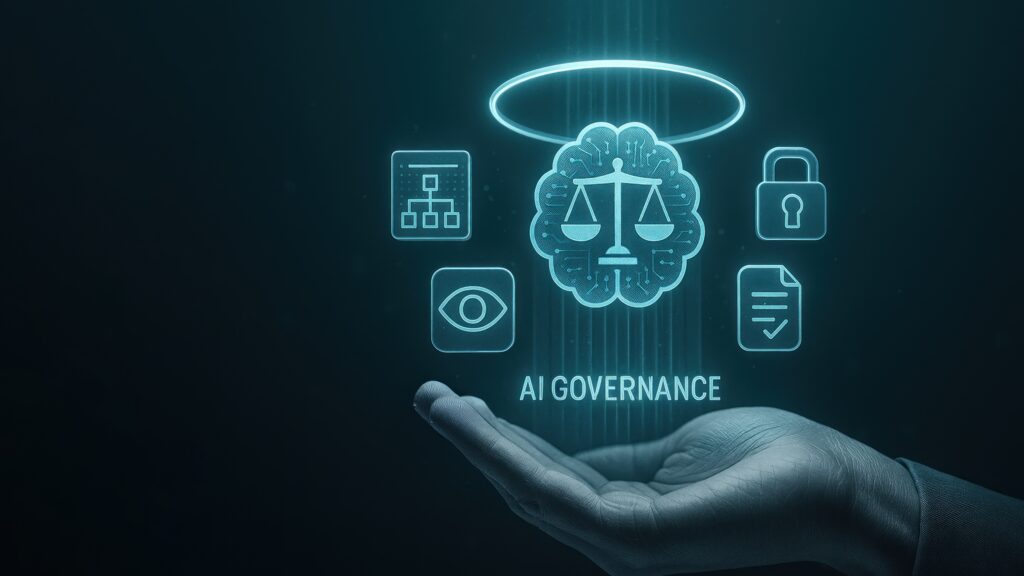
This shift is especially visible in how organizations approach AI-enabled products and services. Rather than treating compliance as a post-launch exercise, governance is being integrated into design and development stages. Early AI risk assessment, regulatory mapping, supplier oversight, and control testing are increasingly seen as baseline requirements for launching AI-powered offerings in regulated markets.
AI and automation are playing a growing role in supporting this model. Continuous monitoring, automated control testing, predictive risk modeling, and real-time reporting are replacing periodic reviews and static assessments. These capabilities allow GRC teams to focus less on manual evidence collection and more on governance, foresight, and escalation of emerging risks.
GRC Maturity in Practice
Maturity in this model is marked by closer integration between GRC leaders and product, technology, and strategy teams. Real-time risk insights can replace point-in-time reporting, supported by governance structures that span AI, privacy, cybersecurity, and third-party risk. Traceability, explainability, and auditability are becoming core technical requirements rather than specialist concerns.
Many organizations, however, remain early in this transition. Fragmented programs and outdated tooling continue to limit visibility and slow response times. In response, service providers such as NTT DATA are positioning integrated GRC transformations, including AI-powered automation and assurance platforms, as a way to accelerate control assessment, improve compliance visibility, and reduce operational burden across complex environments.
Technology alone is not sufficient to sustain an integrated GRC model. Executive leadership and board engagement are central to effective risk governance; programs lacking clear accountability and risk ownership struggle to mature. Clear definitions of risk appetite, structured risk reporting, and a cultural expectation that compliance is a shared responsibility are emerging as foundational elements of successful GRC, the article concludes. Boards and executive teams should apply the same rigor to cybersecurity and technology risk that they traditionally reserve for financial oversight, elevating risk discussions into strategic governance forums.
What This Means for ERP Insiders
GRC expectations are shifting into core ERP design and operations. As governance and risk management become embedded earlier in product and process design, ERP platforms increasingly sit at the center of auditability, control enforcement, and cross-domain risk visibility. Transactional systems and platforms are evolving into primary sources of regulatory evidence and operational assurance.
AI adoption inside ERP raises the bar for explainability and control. As ERP vendors and customers introduce AI-driven planning, approvals, and decision support, the need for explainability, data lineage, and integrated control testing becomes more acute. As governance expectations extend, AI features will be evaluated as much on risk management and accountability as on efficiency gains.
ERP ecosystems are aligning transformation with continuous assurance. The convergence of ERP modernization, cloud migration, and GRC redesign is reshaping demand across the ecosystem. Vendors, systems integrators, and advisory partners are expected to deliver transformation programs that scale governance, third-party oversight, and risk visibility across interconnected ERP, data, and AI landscapes.