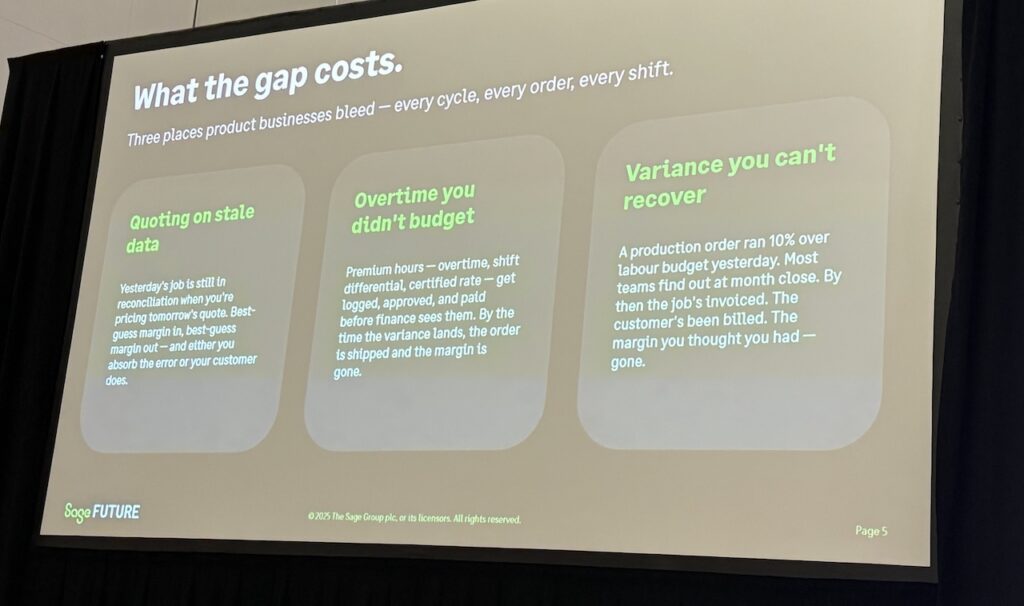

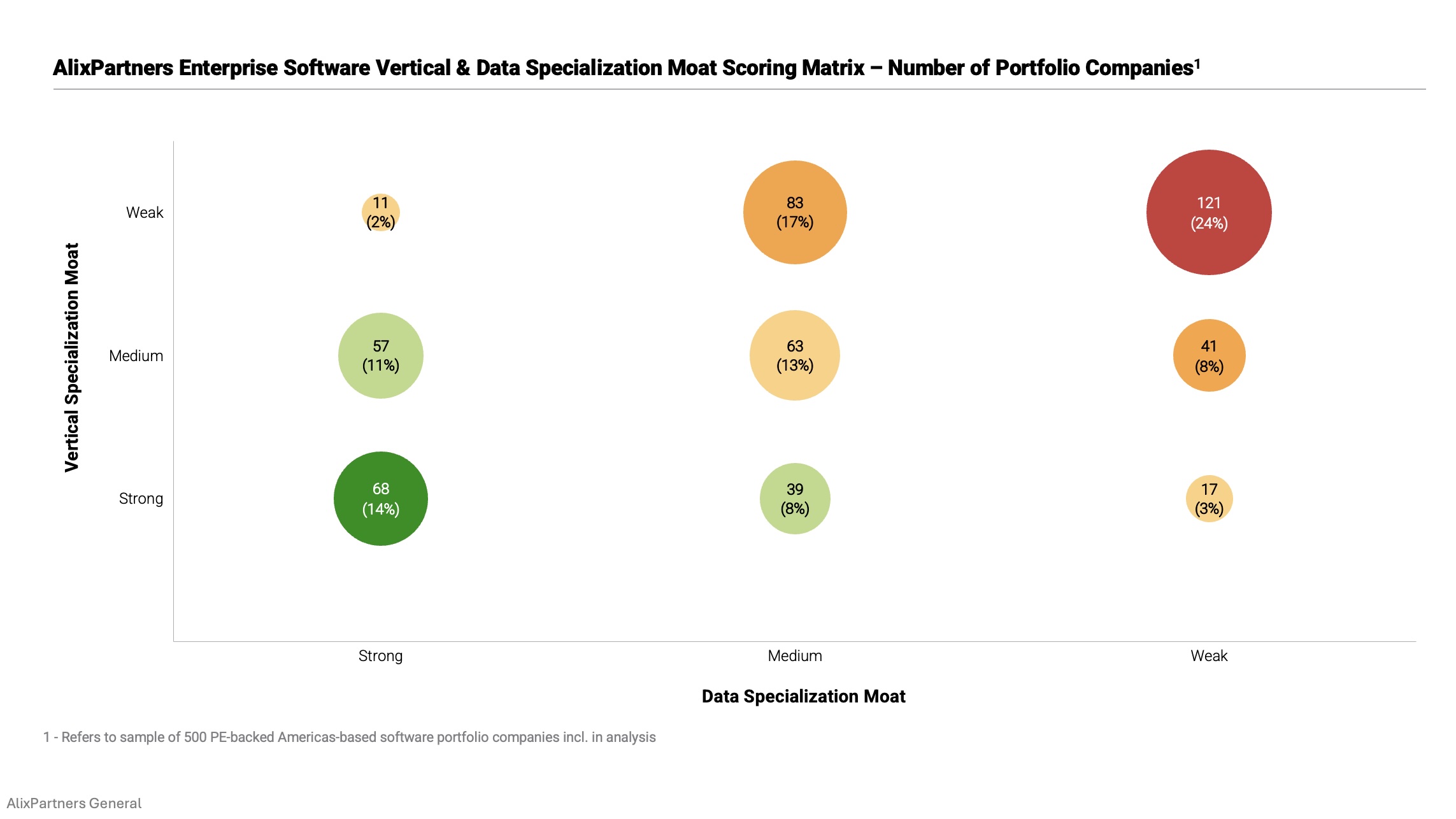
The “SaaSpocalypse” makes for a dramatic storyline, but it flattens critical distinctions in how AI agents interact with enterprise software layers. Lightweight, UI-heavy workflow tools are clearly exposed, yet systems of record that own deep data, compliance and audit trails sit on very different ground.
What is actually unfolding is a re-stacking of the software landscape where agents automate repetitive, low-judgment tasks. The winners are the platforms that own data moats, governance and can prove outcomes in an AI-enabled operating model.
Jordan Berger, SVP, TMT Market Intelligence for AlixPartners, explains the change of the guard and what this means for ERP vendors and the industries that rely on them.
Question: How does the “SaaSpocalypse” narrative oversimplify the relationship between autonomous AI agents, horizontal SaaS platforms, and core ERP systems across industries?
Jordan Berger: The “SaaSpocalypse” narrative overgeneralizes, as it treats enterprise software as if it were uniformly at-risk AI agents, when in reality the disruption gradient is steep. Lightweight workflow tools are exposed, but systems of record with deep data, compliance, and audit roles are structurally different. What’s really happening is a re‑stacking: agents chip away at UI-heavy tasks, while the winners take advantage of data moats, regulatory lock-in, switching costs, and can clearly demonstrate business outcomes in an AI-enabled operating model.
Q: In practical terms, where are you actually seeing AI agents replace traditional SaaS workflows, and where do ERP systems remain indispensable?
JB: In practical terms, agents are already taking over repetitive, low‑judgment work that sits on top of core systems – support triage, basic reporting, procurement and HR intake and routine approvals.
Vendors that earn outsized margins from add‑on dashboards or simple workflow apps are feeling this first, because agents can recreate that value quickly. As a result, business leaders are prioritizing cost cuts in these layers before contemplating any deep rip-and-replace of core platforms.
ERP remains essential wherever it is the “source of truth” for money, inventory, or risk, and where errors create real financial, regulatory or operational liability.
Q: How might the SaaSpocalypse accelerate demand for more modular, API-first ERP architectures instead of full-suite SaaS replacement in large enterprises?
JB: We’re already seeing the “SaaSpocalypse” push large enterprises toward AI‑first, modular ERP rather than full‑suite rip‑and‑replace. Agents don’t eliminate the need for ERP – they pressure ERP platforms that are hard to connect to, slow to change, or locked behind brittle UIs.
The winning pattern is ERP as a stable, tightly governed transaction core that agents can read from and write to through clean APIs and events. The conversation is shifting from “do we rip out our ERP?” to “how fast can we make this ERP programmable?” which favors vendors investing in open integration, events and clear agent access controls over those that still rely on closed, all‑in‑one suites.
Q: What distinguishes ERP vendors most at risk from AI-driven SaaS disruption from those positioned to become orchestration hubs for autonomous agents?
JB: The key question is whether an ERP vendor truly owns critical data and the governance layer or mostly sells a UI on top of standard processes. Vendors that are building real trust infrastructure – identity integration, policy engines, fine-grained agent permissioning and full audit trails into their platforms are on track to become orchestration hubs where agents get their rules, identities, and access rights. The ERP players most at risk are the ones providing configurable screens and generic workflows, without a credible path to owning the system that governs how agents behave and how data is used rather than just recording its outputs.
Q: How does the rise of AI agents change build-versus-buy decisions for industry-specific capabilities currently delivered through vertical ERP and SaaS solutions?
JB: AI agents lower the marginal cost of building narrow, industry-specific capabilities, so more executives are saying: Build what truly differentiates us, buy what keeps us compliant and connected. The real complexity is in capturing domain know-how, regulatory nuance, cleaning and structuring data so agents can operate safely, and investing in strategic product management to direct that accelerated development intelligently.
The net effect is standalone vertical SaaS vendors now have to prove they own something an in-house agent team can’t quickly reconstruct or deliver on a use case with essentially zero tolerance for error.
Q: Which industries are likely to experience the most significant ERP workflow shifts from the SaaSpocalypse, and which will see more gradual change?
JB: Sectors dense with structured but routine knowledge work/tasks – professional services, tech and media, retail headquarters and many corporate functions – will see ERP-related workflows change fastest, as agents take over tasks that used to live in SaaS UIs and light ERP modules.
Highly regulated and asset-heavy industries such as healthcare, energy and parts of financial services will move more gradually because ERP workflows are tightly entangled with compliance obligations, physical-world constraints and institutional trust requirements that agents cannot shortcut.
Q: How can ERP leaders translate the SaaSpocalypse conversation into practical investment priorities around data, integration and AI readiness over the next three years?
JB: The pressure buyers are feeling to re-platform around a unified data layer is real. The most practical response is to treat every ERP investment as an AI readiness decision, answering three questions:
- Does this make our data more reliable?
- Our integrations more flexible?
- Our governance more automated?
The companies that capture the most value will not be the ones rushing to bolt AI features onto legacy systems but those methodically building the foundation that makes AI agents productive and governable.
Q: Looking ahead, what does a post-SaaSpocalypse ERP landscape realistically look like for organizations running a mix of SaaS, on-premise, and autonomous AI agents?
JB: What emerges is less like a post-apocalypse and more a post-rationalization. There will be fewer SaaS vendors in the average enterprise stack because agents will absorb a lot of point solution work. The platforms that remain such as ERPs, key industry systems and specialist data services will be more deeply embedded and more valuable because they own crucial data, risk controls or orchestration rights. Every layer will have to earn its place through data ownership, regulatory necessity, or orchestration value rather than simply occupying a workflow.