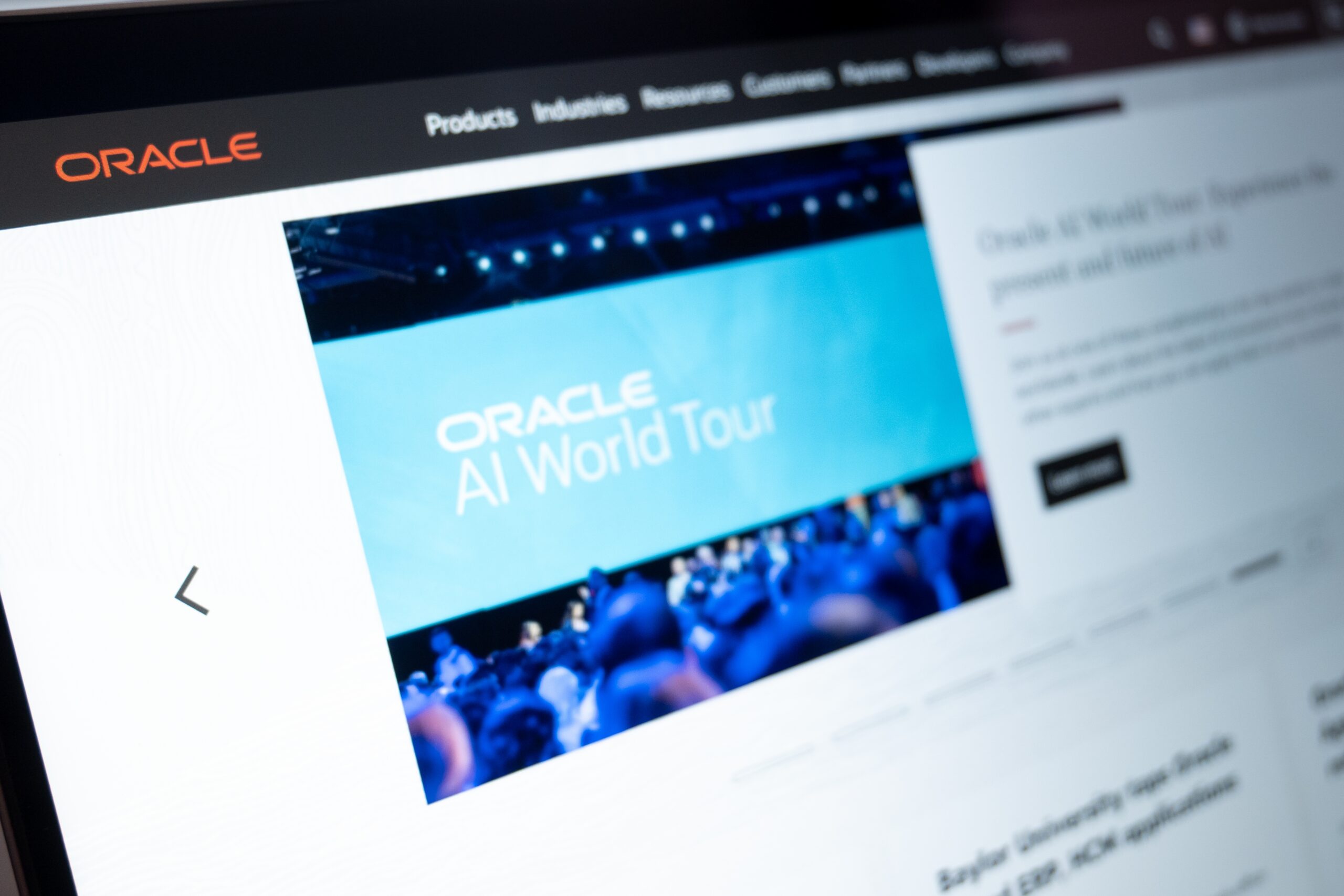
IBM has wrapped the 2026 Oracle AI World Tour, where one theme stood out: Enterprises are shifting from asking whether to adopt AI to determining how it can drive real business value.
Stopping by in Riyadh, Amsterdam, London, and Tokyo, IBM used the tour to show what AI enabled transformation looks like when it is grounded in real projects, real clients, and real outcomes. Across most cities on the tour, IBM hosted theater sessions that drew strong interest from attendees looking for practical guidance on AI and cloud modernization.
Amsterdam: Practical Guide to Oracle Digital Transformation
Early in the tour, Amsterdam helped to set the tone. IBM walked through the experience many organizations face as they adopt Oracle Cloud and AI applications, focusing on how to translate those investments into tangible business outcomes. The session explored practices that help ensure what initiatives are successful, such as practical adoption tactics, lessons learned from the field, and the governance patterns that keep transformation on track. The takeaway? Successful adoption and realization of value demand intentional design, responsible AI adoption, and an operating model where AI is built in from the start—and not treated as an add-on.
That point is becoming more important as Oracle and IBM expand their joint AI and cloud work beyond platform availability into managed services, application integration, data protection, and enterprise operations.
London & New York: Dynamic Finance in the AI Era
In London and New York, the spotlight shifted to finance transformation as an enabler of the business. Backed by new global research from the IBM Institute for Business Value and Oracle, IBM introduced a “dynamic finance” model that reflects how high performing teams now operate. Finance has shifted from reporting outcomes to actively shaping the decisions that drive them. AI driven forecasting, scenario planning, and strategic funding models are becoming the norm.
The IBM Institute for Business Value and Oracle’s dynamic finance at work research frames this as a shift toward decision speed, trust, and control at scale, with finance teams using AI to move beyond reporting into scenario planning, forecasting, and performance steering.
Tokyo: Global ERP Rollout and the Rise of Agentic AI
Tokyo brought a different kind of story—a global rollout of Oracle Fusion Cloud ERP for a major travel industry client. IBM Japan detailed how a strict “Fit to Standard” approach kept the project lean, resulting in the smallest add on footprint of any IBM accounting project to date. The system went live in Japan in April 2025 and expanded internationally earlier this year. With the platform in place, the client is now layering in Oracle AI Agent Studio and IBM AI assets to support a new generation of agentic workflows across its global operations.
The fit-to-standard point is important because AI agents and automation depend on process consistency, clean data models, and fewer custom exceptions when workflows are expanded across regions.
A Partnership Four Decades in the Making
Across the tour, IBM also highlighted the momentum behind its 40‑year partnership with Oracle, which continues to evolve as AI reshapes enterprise architecture.
To mark the milestone, IBM announced several new updates from its ongoing collaboration with Oracle around new agentic AI and hybrid cloud innovations that support secure, flexible, high-performing operations: integrated foundations that give them flexibility, help dismantle silos, automate with intelligence, and scale AI across their operations.
- Red Hat Enterprise Linux is available natively on Oracle Cloud Infrastructure (OCI), creating a more consistent hybrid cloud foundation
- A new connector between Oracle Fusion Cloud ERP and IBM Maximo links financial and asset operations
- IBM Envizi being delivered as SaaS on OCI for ESG reporting and sustainability data management
- IBM Turbonomic and IBM Guardium have extended to OCI for performance optimization and data protection.
With the 2026 tour complete, IBM plans to return as a featured partner at Oracle AI World in Las Vegas this October. Expect deeper AI integration, new joint capabilities, and more customer stories that show what AI‑enabled transformation looks like at scale.
What This Means for ERP Insiders
AI forces ERP leaders to solve the operating model problem. The tour’s throughline is AI cannot deliver sustained value when business processes, data, and governance remain fragmented. ERP leaders should treat AI adoption as a design question across finance, operations, cloud infrastructure, and controls, with clear ownership over how AI is embedded into work from the start.
Finance is becoming a decision engine. The dynamic finance message from London and New York points to finance moving from retrospective reporting toward forecasting, scenario planning, and strategic funding decisions supported by AI. CFOs and ERP finance leaders should prioritize data quality, planning integration, and governance so AI-enabled finance can influence decisions before performance gaps appear.
Agentic ERP requires a stronger infrastructure layer. The recently announced updates point to the same requirement: AI-ready ERP needs hybrid cloud consistency, asset and finance integration, sustainability data management, performance optimization, and security controls. For CIOs and enterprise architects, the evaluation shifts from whether AI is available to whether the surrounding platform can run it securely, consistently, and at scale.