New Relic is extending its observability platform for an operating model where AI agents, not only human engineers, investigate incidents and retrieve system context.
The company announced on June 23 New Relic Autopilot and New Relic Ground Truth, positioning both capabilities as the next step for agentic AI-first businesses. The update follows New Relic’s recent push to simplify enterprise OpenTelemetry adoption, which gave platform teams a less disruptive path toward open, mixed-mode observability.
This new release takes the next step. Once telemetry is standardized and governed, AI agents need a way to use it.
“Operations are going headless. AI agents won’t log in to view dashboards. They’ll pull what they need through APIs, reason about it, and act,” said Camden Swita, Head of AI at New Relic.
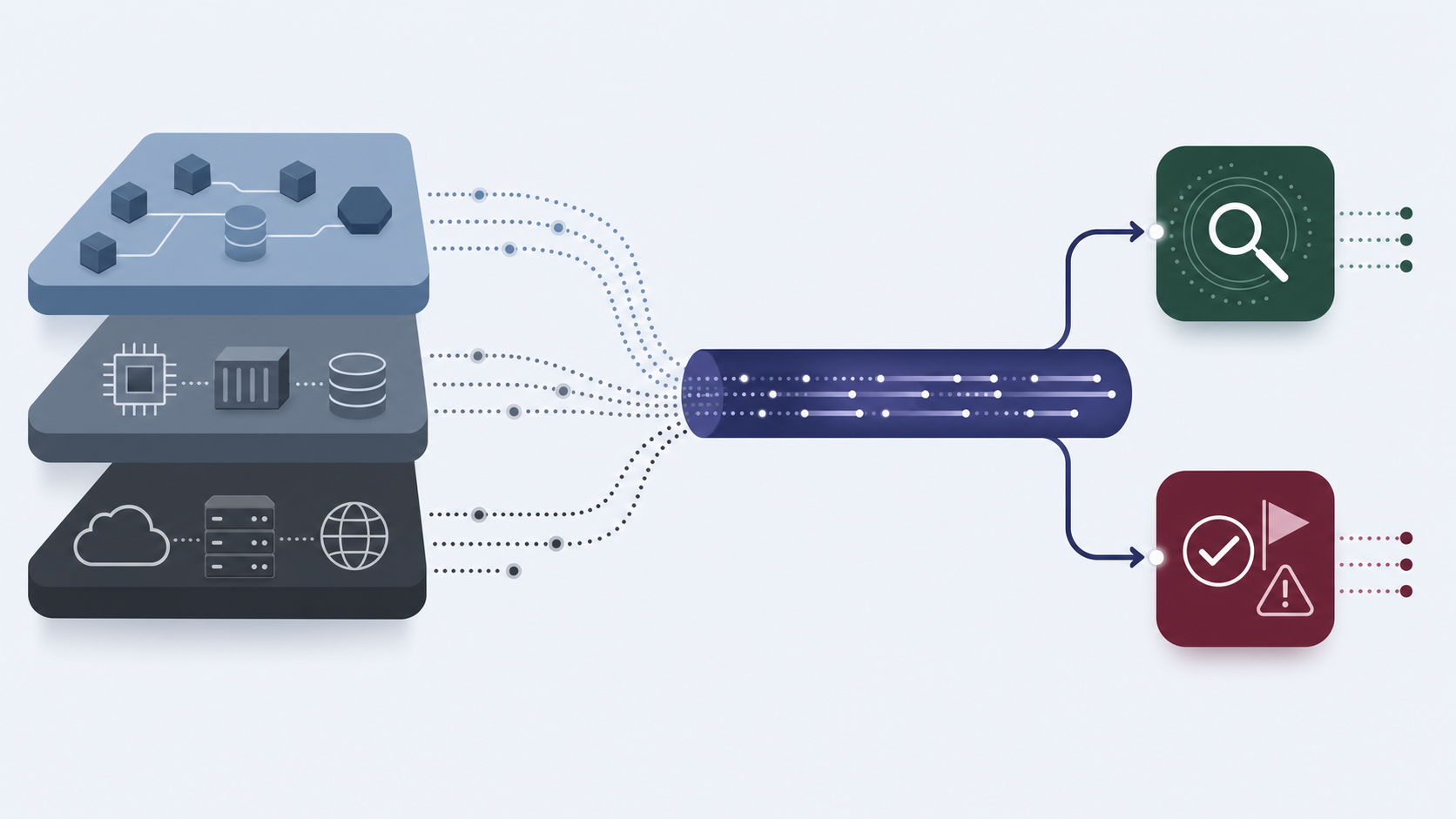
That line captures the shift. Observability is no longer only about giving engineers better dashboards. It is becoming a data substrate for automated SRE work, incident triage, root-cause analysis, and AI-assisted remediation.
Analysis
What this means: Open telemetry is more valuable when agents have trusted context. Standardized instrumentation and healthier data pipelines give AI systems a cleaner foundation for root-cause analysis and remediation support. Platform teams should treat telemetry quality, collector health, and service context as prerequisites for safe agentic operations.
Autopilot Starts the Incident Work
New Relic Autopilot is an automated site reliability engineering (SRE) agent operated by New Relic.
The capability starts analysis when an alert fires, helping teams triage incidents, identify root causes, scope possible remediation paths, and improve early incident response. New Relic said the system is built on its observability data substrate and includes specialized tools for Kubernetes, Kafka troubleshooting, and cross-stack root-cause analysis, with more domain agents planned.
Autopilot also uses New Relic Knowledge to ground conclusions in an organization’s runbooks and retrospectives. External Model Context Protocol connections to Jira and GitHub can pull in code and work-tracking context, while long-term memory captures operational knowledge that would otherwise stay trapped with individual engineers.
For SRE teams, the value is speed and consistency. The hardest part of an incident is often not knowing that something broke, but understanding why it broke, whether it is safe to act, and what should happen next. Autopilot is designed to give human responders a stronger starting point before the incident window narrows.
Ground Truth Feeds Custom Agents System Context
New Relic Ground Truth is designed for organizations that already run their own agents or orchestrators.
Rather than requiring teams to use New Relic’s agent, Ground Truth gives tools such as GitHub Copilot, Claude Code, AWS DevOps, or custom orchestrators access to New Relic’s observability insights. New Relic said the capability exposes agent-optimized tools that are difficult to get through public APIs or basic query layers, while reducing the number of tool calls needed to find relevant system context.
Agentic operations will depend on data quality, not just model quality. An AI agent can only investigate or recommend action if it can retrieve trusted telemetry, understand system state, and connect errors to deployments, dependencies, infrastructure, and service-level objectives.
New Relic said a large enterprise measured a 1.1% error rate across more than 1,300 users, pointing to the kind of proof customers will look for before allowing agents deeper into operational workflows.
Analysis
What this means: AI agents will change who consumes observability data. New Relic’s Autopilot and Ground Truth capabilities show how telemetry is becoming an input for automated incident response, custom agents, and operational workflows. ERP leaders should evaluate observability platforms by whether they can support both human engineers and machine-driven investigation.
Sponsor Industry‑Grade Research
Agentic Operations Raise Governance Questions
The announcement also centers the governance conversation around observability.
Previous ERP Today coverage focused on OpenTelemetry as a way to reduce migration risk, preserve existing dashboards, and give teams more control over telemetry standards. Autopilot and Ground Truth build on that foundation by asking what happens when AI systems become active users of that telemetry.
That shift creates new operating questions. Which agents can access which observability data? Which actions can they recommend or trigger? How is memory scoped? How are conclusions grounded in runbooks, retrospectives, code repositories, and incident history? How do teams audit what an agent saw, inferred, and suggested during an incident?
Core business systems increasingly depend on distributed services, integrations, APIs, cloud infrastructure, and third-party platforms. If AI agents are going to help resolve incidents across those environments, observability data needs to be accurate, accessible, governed, and meaningful enough for machines to use.
New Relic’s latest release shows where observability is heading. The dashboard still matters, but the next operating model will also need telemetry built for agents that work through APIs, memory, and automated workflows.
Analysis
What this means: Agentic SRE will need governance before autonomy. Tools that triage incidents, use memory, connect to Jira or GitHub, and recommend remediation paths need clear access rules, audit trails, escalation models, and human review. Enterprise technology leaders need to design those controls before agents become part of production incident response.