

The promise of migrating to SAP Cloud ERP Private (previously RISE with SAP) is compelling. It represents a decisive path to the cloud, a strategic leap towards streamlined processes, reduced IT complexity, and enhanced business agility. For many organizations, this move entails a vision of a clean, intelligent enterprise core that is free from past technological debt.
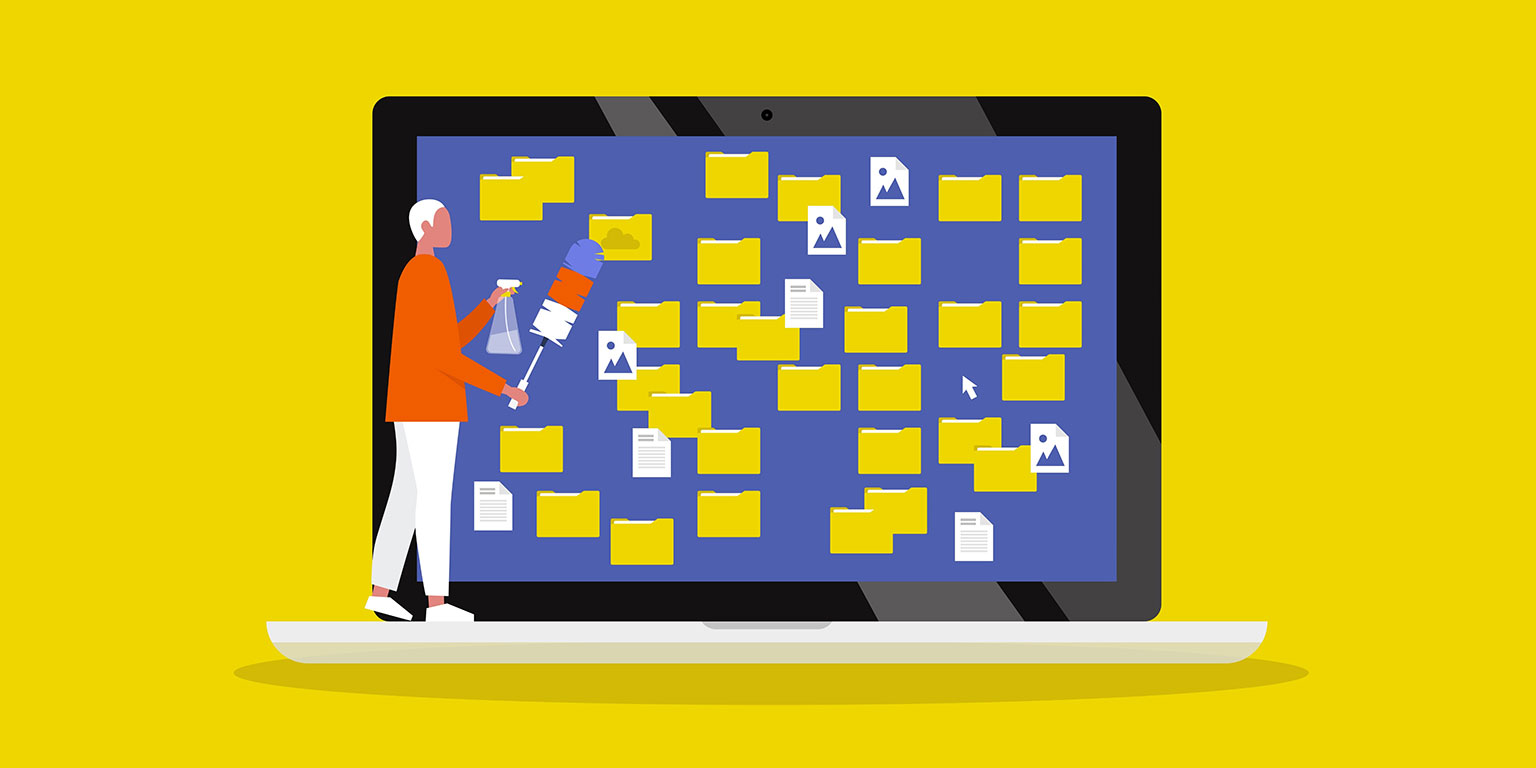
However, this journey to a clean digital core begins with a transparent and honest assessment of the organization’s existing data. The reason for this important assessment is best illustrated by the example of moving into a new, minimalist smart home, yet insisting on bringing every piece of clutter from the old, overstuffed attic. The old furniture clashes with the new architecture, and its sheer volume prevents the home from functioning as designed.
Many companies fall into a similar trap in their migration to SAP Cloud ERP Private. They invest in the robust, modern architecture of SAP S/4HANA, only to add decades’ worth of accumulated, un-curated, and often irrelevant data. As a result, the promised agility from migration remains elusive, costs spiral unexpectedly, and the project’s complexity soars.
The Hidden Costs of Data Baggage
In the on-premises world, the cost of storing old data was a relatively linear and predictable expense. However, in the cloud, data volume and system complexity are primary cost drivers, particularly within hyperscaler environments such as AWS, Microsoft Azure, or Google Cloud. Therefore, every gigabyte of redundant or obsolete data that an organization migrates, incurs a recurring cost for storage, computing, and licensing. This slowly erodes the total cost of ownership (TCO) benefits that the business sought to achieve with the migration.
Beyond the direct financial impact, this data baggage introduces friction into the transformation:
- Project risk and duration: Migrating unnecessary data increases the technical complexity and timeline of a SAP Cloud ERP Private (RISE with SAP) project. Additionally, the testing, validation, and cutover phases become more challenging.
- Performance degradation: Bloating a new SAP S/4HANA Cloud Private Edition environment with historical data that isn’t required for daily operations can lead to sluggish performance. This constrains the very business processes the organization aims to accelerate.
- Compliance and security hurdles: Legacy data is often a minefield of outdated information subject to complex retention and privacy regulations. Moving it without proper governance is a significant compliance risk.
Therefore, a genuine transformation requires a more intelligent, deliberate approach.
Lifecycle Approach to Data Transformation
This is where a strategic approach, through platforms like SNP Kyano, becomes essential. Kyano reframes the transformation journey into three logical phases: Foundation, Move, and Manage. While Kyano Foundation provides the crucial upfront system analysis and data-driven planning, Kyano Move executes the flexible, near-zero downtime migration itself. Kyano Manage ensures the long-term health and efficiency of the SAP landscape.
Moreover, Kyano Manage introduces a continuous data lifecycle discipline to the transformation process. It empowers companies to prepare for a clean start in the cloud by systematically addressing the data problem before, during, and after the migration. By integrating this capability into a SAP Cloud ERP Private (RISE with SAP) project, companies can significantly reduce migration effort, cloud costs, and overall project risk.
Making Data Lean, Compliant, Accessible
At the heart of Kyano Manage lies a component called Kyano Datafridge, which is a certified solution designed for the intelligent archiving and decommissioning of SAP legacy systems. Its methodology is elegant in its simplicity and powerful in its execution.
First, before the cloud migration, it automates the process of archiving historical data. This process of running tests and validating data ensures only the most relevant, clean, and legally compliant information is earmarked for the new SAP S/4HANA environment. The impact is incredible, with businesses achieving a data volume reduction of 30-70% before moving a single byte to the cloud.
Second, it addresses the question of what to do with the old systems, as leaving legacy applications running just in case is a costly and risky strategy. Kyano Datafridge enables the complete and compliant decommissioning of these systems. Data is moved to a secure, structured archive platform with automated retention guidelines, ensuring audit-proof access for the future. Crucially, this process doesn’t leave business users in the dark.
Perhaps the most compelling feature is that Kyano Datafridge provides long-term access to this archived data via the familiar SAP GUI. This aspect eliminates the need to maintain the expensive legacy system while ensuring that users who need to look up historical orders or financial records can do so without disruption. It’s the ideal strategy for any organization navigating complex carve-outs, mergers, or global system consolidations.
An Uncluttered Future
In conclusion, if migrating to SAP Cloud ERP Private (RISE with SAP) is the vehicle for an organization’s digital transformation, Kyano Manage is the fuel required to make the journey a success. By tackling the data problem head-on, organizations move beyond simply lifting and shifting their old landscape and its inherent problems to the cloud. They are actively curating a lean, cost-effective, and agile environment built for the future.
By integrating an intelligent data management strategy into your transformation project, organizations can implement their transformation more quickly and securely, while also managing data sustainably in the long term. The journey to the cloud is an opportunity for a fresh start. The most successful organizations will be those that seize the chance to leave the clutter behind.