Transformation World 2026 · Vibra Energia
Fuel distribution across a country the size of Brazil can’t simply be paused — nearly 80% of the economy depends on it. For Aspen Andersen, VP of People, Technology, and ESG at Vibra Energia, that reality shaped every choice. Rather than starting fresh, Vibra took a selective path: carrying forward roughly 80% of proven legacy processes that still work, while deliberately freeing the other 20% for its most disruptive minds to reframe and reinvent. A 50-year-old company with deep history, Vibra balanced agility, budget, and continuity to prepare for a future it can’t fully predict.
“We start a project on the tech side, but the final sprint is all about people — the soft side is what makes it a success.”
With a strict 48-hour window, Vibra relied on SNP’s minimized-downtime approach and rigorous go/no-go checkpoints to migrate safely from Friday night to Sunday evening. But Andersen’s deepest lesson is cultural: transformation is company-wide, not an IT project, and leaders must read the human dynamics — knowing when to send a tired team home to reset. As Vibra positions for Brazil’s energy transition, a consolidated data foundation now underpins its multi-energy platform, helping it anticipate customer shifts from fossil fuels toward renewables.
About the Guest
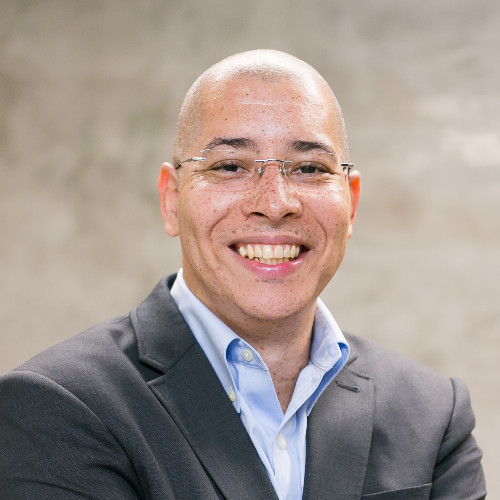 |
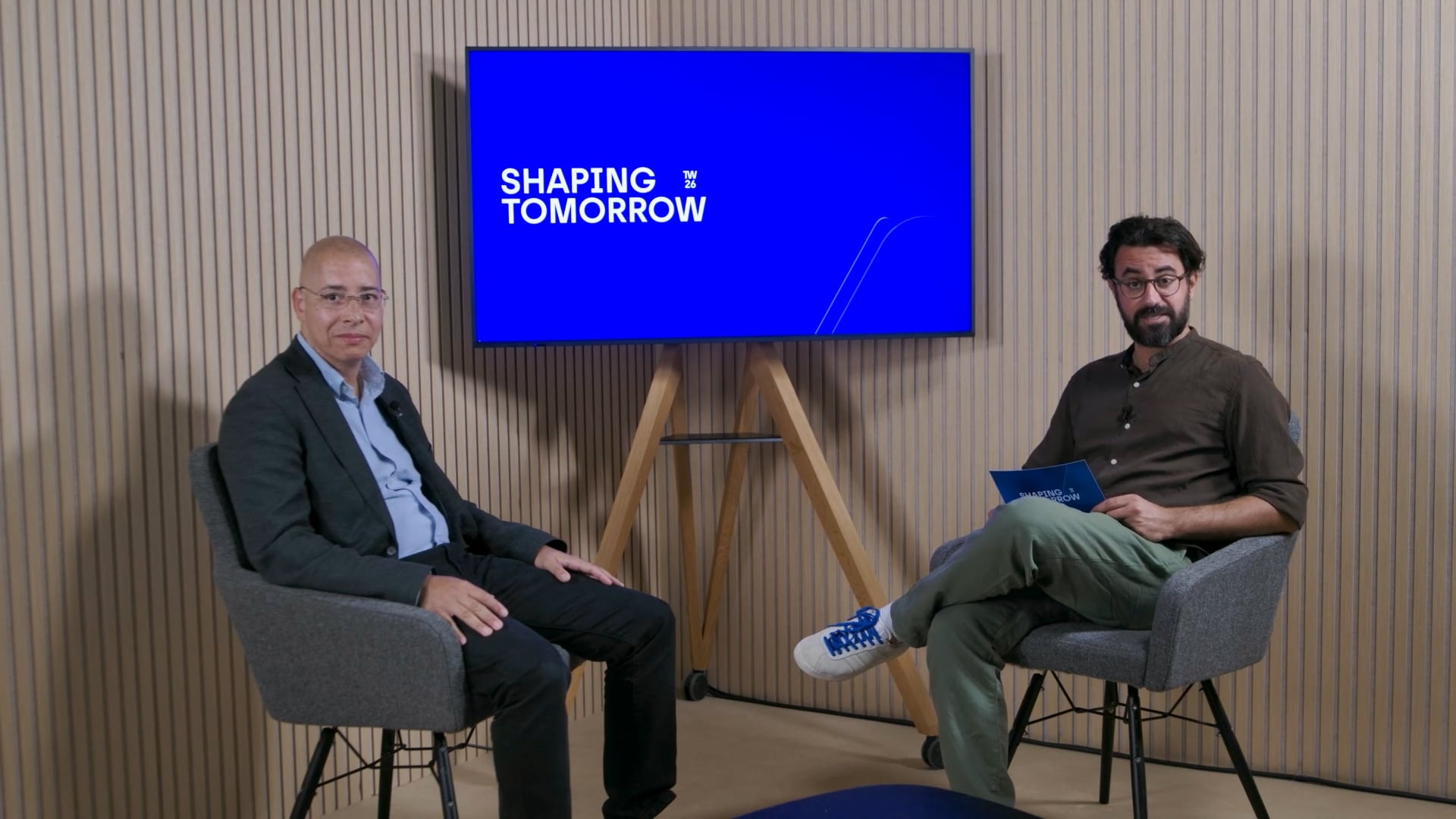
Aspen AndersenVP of People, Technology & ESG, Vibra Energia Aspen Andersen is Vice-President of People, Technology, and ESG at Vibra Energia, Brazil’s largest fuel and energy distributor. Uniquely combining the people, technology, and sustainability portfolios, he led Vibra’s selective SAP transformation — carrying forward proven legacy processes while reinventing the rest — and a tightly managed near-zero-downtime cut-over with SNP. His conviction is that transformation is company-wide and ultimately decided by the “soft side”: the people and culture behind the technology. |