The industry talks about transformation fatigue as if it’s a buzzword. However, at Data Migration International’s (DMI’s) Digital Lounge @ Davos, the discussion around this topic was front and center. Behind the optimism seen at the event lies a quiet crisis: IT leaders are drowning; not in code, but in complexity.
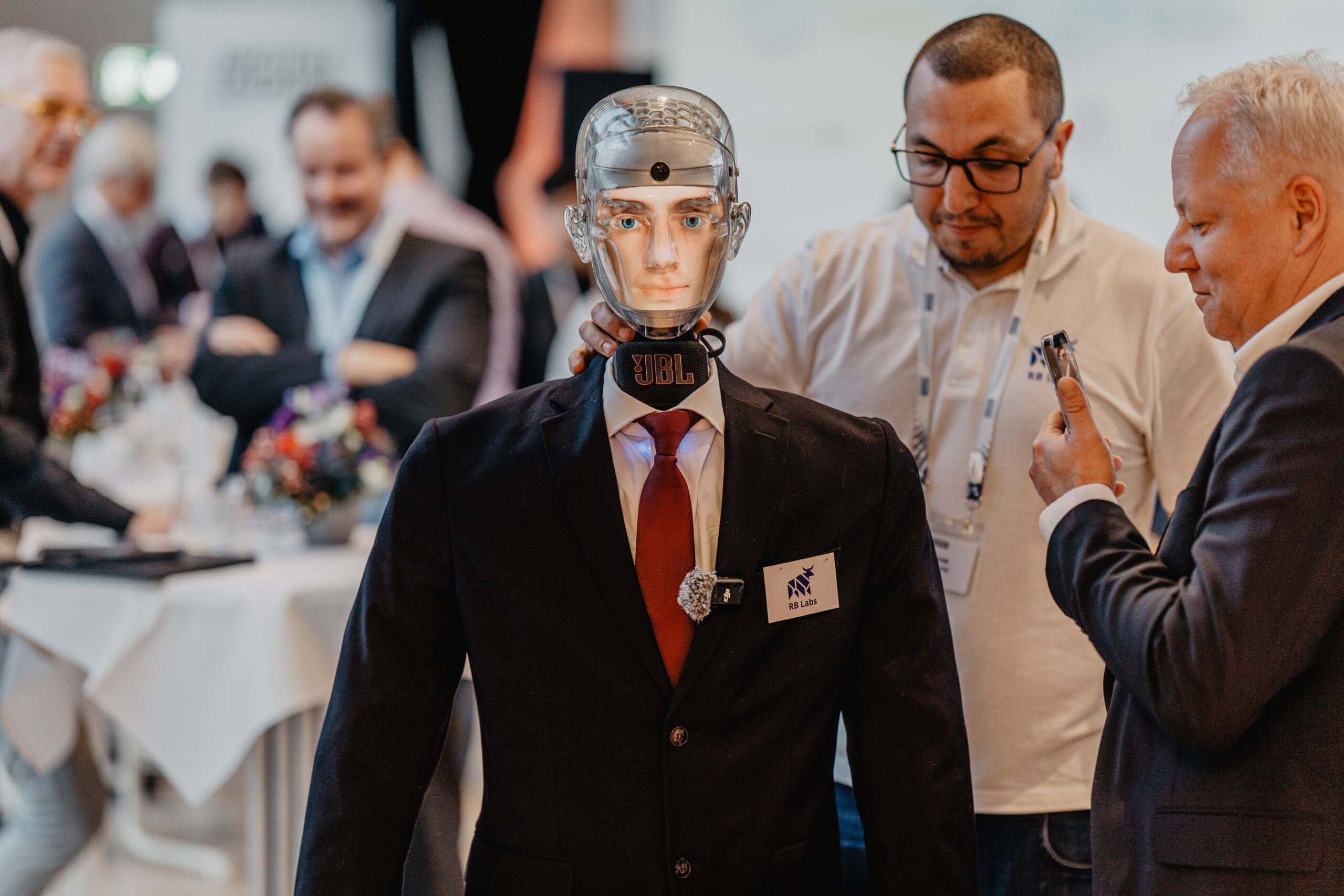
While the headlines from Digital Lounge @ Davos focused on the glittering promise of AI and Robotics, the real story on the ground was about the human bottleneck.
The High Price of Transformation Fatigue
Tech leaders noted that while the technology is ready to scale, the people behind it are still stuck cleaning up the mess of the last decade from legacy systems. This has led to transformation fatigue, a pervasive sense of burnout that occurs when the pace of software updates exceeds the team’s ability to adopt them.
The Digital Lounge offered a rare sanctuary—a place for honest, cross-sector exchange away from the congestion of the main forum. Kristina Leipold-Struck, CEO of Picturae, described the environment as “very inspiring,” emphasizing the value of taking fresh insights back to her team.
Still, she and other leaders attending the event highlighted the immense pressure on human teams. They said that the constant demand for more innovation is colliding with the reality of fragmented landscapes of legacy SAP systems. Today, CIOs are asking their teams to build the A, which is the future, while simultaneously manually keeping legacy systems on life support. This isn’t sustainable.
Data Debt is a People Problem
Organizations often represent data debt as the compounding technical and financial burden incurred by them to prioritize rapid system deployment over long-term data quality and governance. However, the conversations at Digital Lounge @ Davos flipped this script. It emphasized that data debt is a tax on human potential. Every hour an organization’s best architects spend deciphering ungoverned legacy data is an hour they aren’t spending on innovation.
The shift in sentiment was the realization that smarter data strategies are human enablers. By automating the retirement of legacy data and enforcing Clean Core principles, organizations aren’t just cleaning a database; they are liberating their team from the noise so they can focus on the signal.
Innovation Requires Headspace
Organizations cannot innovate when they are firefighting. The leaders who seemed most confident about 2027 at Davos weren’t the ones with the biggest budgets; they were the ones with the cleanest houses. They understood that AI doesn’t solve complexity—it amplifies it. Thus, to survive the next wave of transformation, organizations need to ruthlessly simplify their data foundations to give their human talent the clarity they need to lead.
What This Means for ERP Insiders
Utilize data inventory to empower the team. The first step to relieving team burnout is clarity. Organizations should mandate a clear inventory of what data they have and why they need to keep it. Uncertainty is the biggest stressor for the teams involved in migration projects and a clear data strategy relieves some of it.
Foster a human-in-the-lead environment for AI projects. AI handles scale, while humans manage ethics and context. Organizations should use DMI’s data retirement capabilities through its JiVS platform to strip away the redundant historical data so that their human teams can focus on the high-value exceptions that actually require their judgment while leaving the more mundane tasks to AI.
Decouple to Innovate. Organizations should not force their team to carry the weight of 20 years of history into a new SAP S/4HANA environment. By decoupling historical data management from daily operations, organization leaders can give their team the agility of a startup with the wisdom of an enterprise.