Analytics and AI

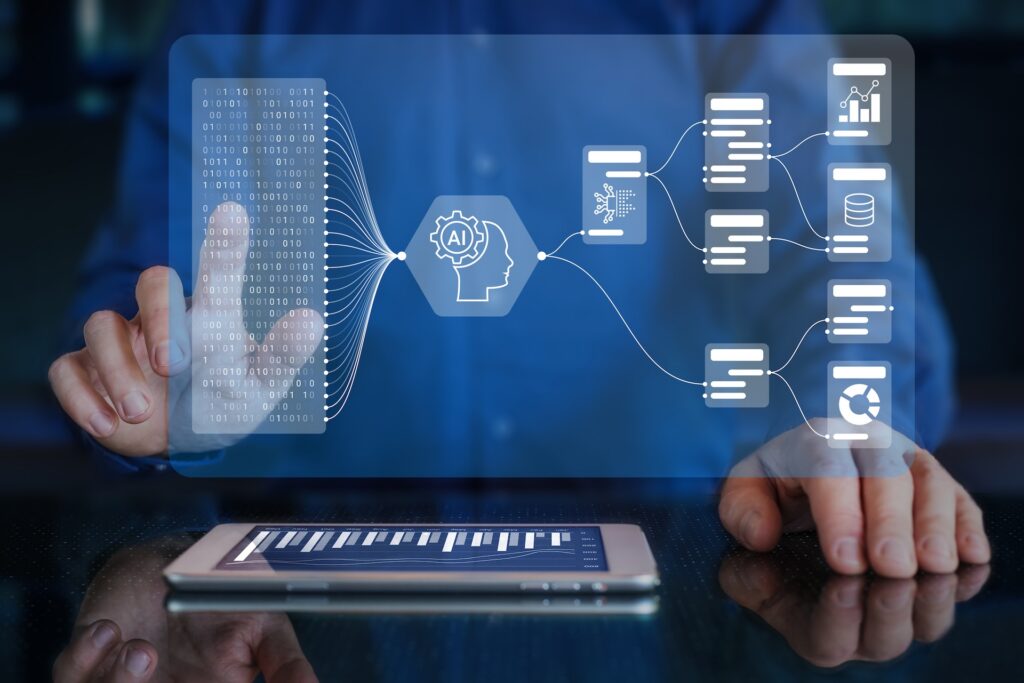
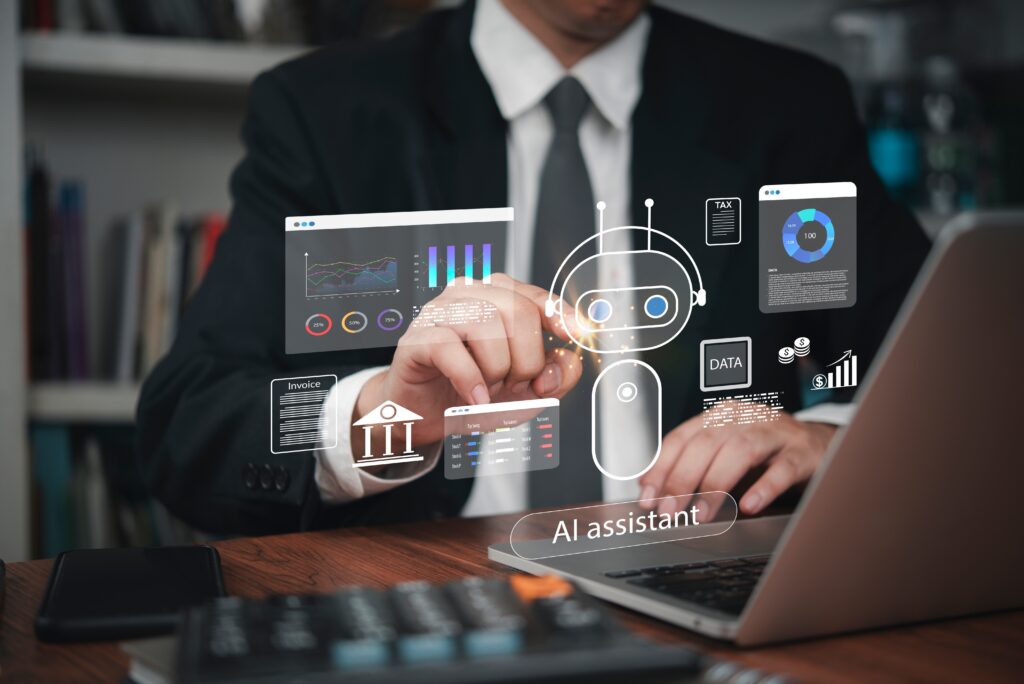
Artificial Intelligence (AI) and analytics are indispensable in propelling digital transformation efforts, particularly influencing Enterprise Resource Planning (ERP). With the rapid progression of technology and computing power, organizations across various sectors are generating immense amounts of data daily, impacting ERP processes. The significance of this data lies in its potential to extract actionable insights, facilitate strategic planning, and drive innovation within the ERP framework. In this context, AI and analytics emerge as pivotal tools, facilitating the extraction of value from the vast amounts of data generated and collected across the enterprise, optimizing ERP functionalities. Analytics is commonly categorized into descriptive, prescriptive, diagnostic, and predictive types, enhancing the ERP landscape. AI algorithms contribute not only to predictive and prescriptive analytics but also empower companies to develop innovative ERP capabilities, exemplified by advancements such as Industry 4.0.

The Great Cloud Recalculation Oracle+IBM
Epicor Sets Final On-Premises Release Dates as Cloud Strategy Accelerates
Epicor has announced the timeline for the final on-premises feature releases of its ERP platforms, urging customers to evaluate cloud migration as it transitions towards AI-powered capabilities, with support phases outlined and potential savings highlighted.
Africa Races to Build AI Skills as Training Demand Surges While Budgets Lag
African organizations are rapidly developing AI-focused skills amid tightening training budgets, leading to a significant gap between the growing demand for AI expertise and the resources allocated for skills development.
Panaya’s AI-Driven Autonomous Testing Layer Designed to Ease ERP Bottlenecks
Panaya's Seemore agentic AI layer enhances autonomous testing for SAP, Oracle, and Salesforce, allowing enterprise teams to manage updates more efficiently through risk analysis, codeless test creation and self-healing scripts, amid an anticipated surge in the automation testing market driven by the demand for AI-ready ERP capabilities.
Data with South Korea flag in the background
South Korea’s AI Basic Law Takes Effect in 2026: What Businesses Need to Know
South Korea’s AI law, effective January 22, 2026, requires organizations using high-impact AI systems to conduct risk assessments, maintain human oversight, and prepare for compliance during a one-year grace period.
CloudPaths NetSuite ARM
Healthcare ERP Market Set to Double by 2033 as Hospitals Lean on Finance-Led, On-Premises Platforms
The healthcare ERP market is set to more than double from USD 7.5 billion in 2023 to USD 15.7 billion by 2033, driven by hospitals' need for integrated operations and data centralization amidst rising complexity and regulatory pressures, with finance and billing being the leading segments.
Five ERP Strategic Implications for Operations Leaders in 2026
As organizations face a pivotal shift in ERP to autonomous action-driven frameworks, leaders must prioritize rapid modernization, governance transparency, and adaptability to remain competitive.
Case Study: The Metropolitan Atlanta Rapid Transit Authority (MARTA)
MARTA needed Oracle Fusion data to land in Databricks reliably, repeatedly and with the right level of control without turning every new flow into a custom development project. Orbit Analytics implemented Orbit Data Pipelines, a no-code ETL and ELT framework purpose-built for Oracle Fusion.
Red Hat signage on a office building.
Red Hat Acquires Chatterbox Labs to Strengthen AI Safety and Governance
Red Hat acquires Chatterbox Labs to add AI safety, guardrails, and risk metrics across its enterprise AI portfolio.
M&A
Enterprise Software Faces AI-Driven Disruption as Development Productivity Gains Fail to Materialize
In 2026, the enterprise software industry will undergo significant disruption due to AI, leading to increased merger and acquisition activity among mid-market companies, while organizations struggle to convert productivity gains from AI into strategic business value.
Data processing over infrastructure construction site
Six Data Pivots That Decide Whether Your AI Strategy Scales in 2026
AI is forcing businesses to modernize data architectures. CData’s e-book outlines six pivots to scale AI-driven products.
ERP
How Next-Gen EAPs Are Reshaping Manufacturing IT 
Nextworld's enterprise applications platform (EAP) empowers manufacturers to modernize their operations through a flexible, no-code/low-code architecture, enabling them to implement tailored modules and custom workflows.
The coast of Da Nang with the city against the beach and ocean
Vietnam Draws More Than $7 Billion in AI Data Center Investments, Reshaping Enterprise Infrastructure
Create Capital Vietnam and Haimaker.ai have unveiled a $1 billion joint venture to build a nationwide AI-focused data center network in Vietnam, part of a broader surge of more than $7 billion in AI infrastructure investment driven by policy incentives and rising enterprise demand.
ERP AI
Overcoming AI Adoption Challenges in Manufacturing and Supply Chain
AI is rapidly becoming essential in manufacturing and supply chain management, but uneven deployment due to barriers like data quality and user adoption persists, while vendors are focusing on domain-specific AI to integrate predictive insights directly into core processes.
Oracle AI World’s IBM Sessions: What Enterprises Must Build Before AI Can Deliver
At Oracle AI World, IBM emphasized that successful AI adoption in enterprises relies not on flashy models but on robust foundational preparations, governance, and aligned business processes, showcasing that scalable AI implementations require clean data and integrated workflows.
GCC emblem with digital code background
How Gulf States Are Approaching Digital Sovereignty
Gulf states are building digital sovereignty frameworks to strengthen infrastructure and move from importing to operating cloud and AI services locally. National regulations, major investments, and regional collaboration support this transformation.
Data Integrity is the New ERP Mandate
Data integrity is crucial for ERP success, as reliable information underpins automation and insights; organizations must modernize data handling without full system overhauls, confront legacy issues, and embrace governance to enhance efficiency and decision-making.
Creating Supply Chain Value Through Analytics and AI
AI and analytics are transforming supply chain management by automating repetitive tasks, redefining planner roles into strategic storytellers, and providing decision intelligence to navigate disruptions.
Year in Review: Testing, Transformation, and the Race to AI-Ready ERP in 2025
In 2025, the conversation around cloud migration shifted from why to how. According to SAPinsider’s 2025 research report on SAP S/4HANA deployment, for instance, 31% of the organizations who responded to the survey have transitioned to SAP S/4HANA, while another 27% are in implementation. Additionally, 54% of respondents said they plan to incorporate AI or...
Year in Review: ERP AI Integration Went from Promise to Performance in 2025
End users in 2025 stopped seeing AI as a futuristic buzzword for enterprise planning. What had long been pitched as a future differentiator finally began delivering measurable operational benefit this year. According to ERP Today’s reporting on the manufacturing sector, 82% of companies increased...
Microsoft Research Maps 2026 AI Agenda: From Lab Assistants to Trusted Agents
Microsoft Research forecasts 2026 as a pivotal year where AI evolves into collaborative 'digital coworkers' across sectors, emphasizing security, agentic systems, and quantum advancements that align with human-centered goals and redefine enterprise resource planning.
Alphabet’s Intersect Buy Tightens Link Between AI Data Centers and Clean Energy Infrastructure
Alphabet is acquiring Intersect for $4.75 billion to enhance its data center and energy infrastructure capabilities as part of its AI strategy, while Intersect will operate independently and collaborate closely with Google on new facilities.
SAP, Partners Turn Embedded Business AI into Concrete ERP Wins
SAP and its partners are transforming AI from concept to implementation by integrating SAP Business AI and SAP BTP into workflows that enhance efficiency and collaboration, as illustrated by successful case studies from companies like FRoSTA and Aspen Pumps.
kyano
Why Industry-Built ERP Will Lead the Next Wave of Manufacturing Modernization
Manufacturing executives are increasingly favoring vertical ERP systems over generic platforms due to the former's ability to provide tailored, out-of-the-box solutions that align with industry-specific workflows.
Google Gemini Logo
Google Launches Gemini for Government, Supporting DOE Labs on Genesis Mission
Google launches Gemini for Government at 47 cents per year for federal agencies, partnering with DOE National Labs to enhance scientific productivity through agentic AI workflows, secure collaboration, and advanced research tools.
2025 Was a Pivotal Point for Oracle NetSuite: Where Is Its AI Roadmap Heading in 2026?
Oracle NetSuite laid the groundwork in 2025 for an AI-native ERP experience, with 2026 expected to see the launch of key features like NetSuite Next and Autonomous Close, which will embed AI into financial and operational workflows, moving AI from conceptual to operational use.
SYSRPO and DATASCOPE
Utilities Turn to Physical AI to Accelerate Grid Modernization
Utilities are increasingly utilizing robotics and physical AI to enhance inspections, mitigate risks, and optimize workforce efficiency amidst challenges like electrification growth, aging infrastructure and labor shortages.
MCP Platform
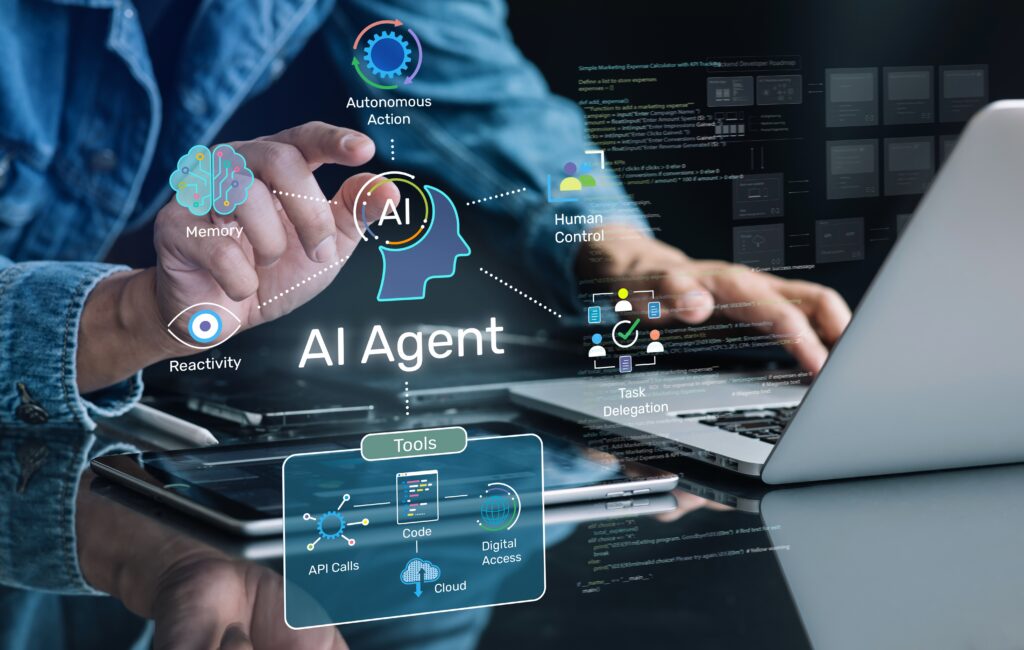
How to Choose an MCP Platform for Production-Scale AI Agents
Model Context Protocols (MCPs) standardize secure, real-time access for AI agents to enterprise systems. MCP features such as plug-and-play integration, real-time monitoring, and scalability become a differentiator as businesses embed AI into core workflows.