
Manufacturing ERP is moving to operational backbone for Indian factories as competitive pressures, tax complexity and Industry 4.0 programs converge. Recent analysis highlights ERP’s role in integrating production, inventory, procurement, finance and HR into a single platform that can support real time decisions, automation and compliance with regulations such as GST.
Analysis
What This Means for ERP Insiders
Manufacturing ERP will anchor India’s Industry 4.0 push. ERP platforms that integrate production, supply chain and finance with GST ready localization and Industry 4.0 hooks will become the primary control layer for Indian factories.
Data-Driven Plants Replace Spreadsheet Centric Operations
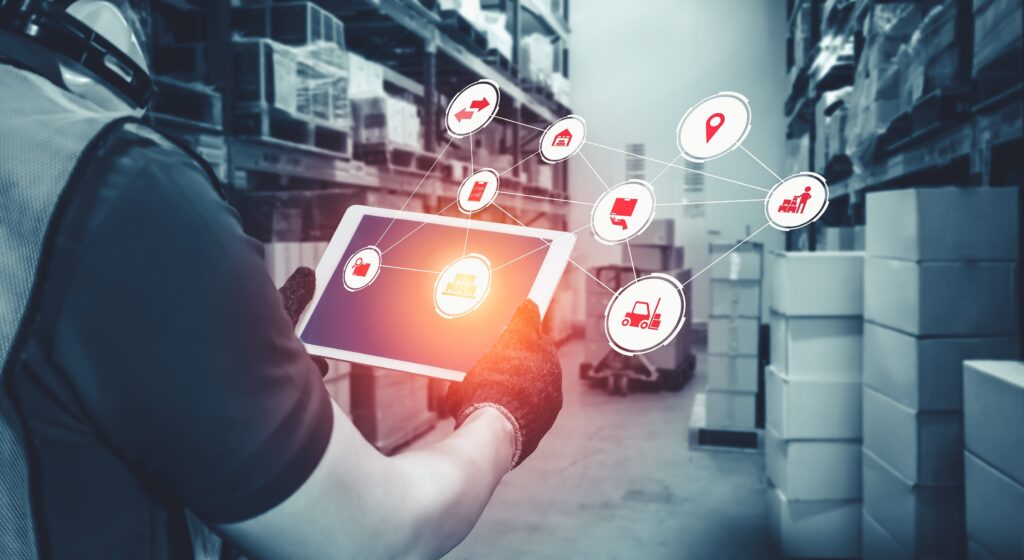
For many Indian manufacturers, core processes still run on a mix of legacy software and manual spreadsheets, which limits visibility and slows response to demand swings or supply disruptions. Manufacturing ERP systems change that by connecting production planning, inventory, procurement and finance so leaders can see order status, material availability and cost impacts in one view.
Key adoption drivers include the need for automation, real time data insights, supply chain complexity and regulatory compliance. Day to day, this reshapes the work of plant managers and controllers, who move from reconciling disparate reports to managing exceptions flagged by the ERP, adjusting schedules or sourcing strategies with clearer understanding of margin and delivery implications.
Core manufacturing ERP capabilities include production planning and control, bill of materials management, shop floor tracking, quality management, inventory control and integration with finance and HR. When implemented effectively, these functions can shorten production cycles, reduce manual errors and improve communication between departments, which in turn supports better on time delivery and customer service.
Cloud deployment is becoming the preferred model as it offers scalability, lower upfront costs and easier access for multi plant operations. For CIOs, that shifts focus toward network reliability, cybersecurity and integration with existing systems and shop floor devices rather than on premises infrastructure management.
Analysis
What This Means for ERP Insiders
Cloud-native, AI-ready stacks will take the lead. Vendors that combine cloud deployment with strong analytics, IoT integration and predictive capabilities will be best positioned as manufacturers prioritize agility and real-time decisions.
Evaluation Criteria for Indian Manufacturing Leaders
ERP selection in India must account for local tax and regulatory requirements, including GST, e-way bills and sector specific compliance rules. Vendors with strong localization, support for Indian tax regimes and experience in sectors such as automotive, food and beverage, pharmaceuticals and metals gain an advantage.
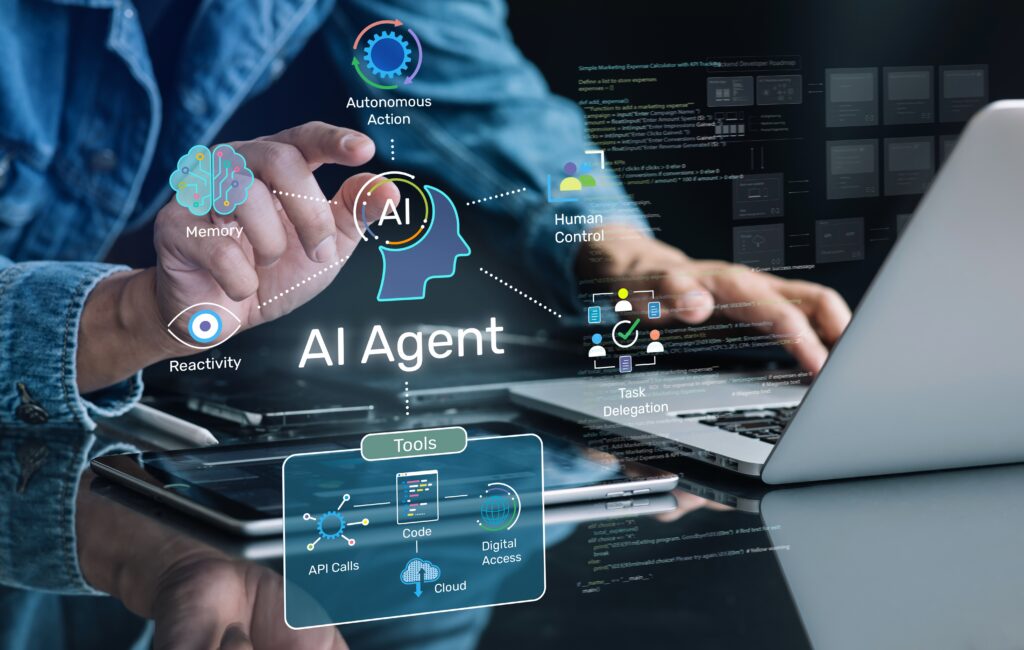
Manufacturers are also looking at how well ERP platforms integrate with IoT, AI, machine learning and data analytics to support predictive maintenance, demand forecasting and automated decision making. That means technology executives must evaluate not only current features but also roadmaps for AI and Industry 4.0 readiness, including APIs, event streaming and support for real time machine data.
Common challenges include resistance to change, data migration complexity and skill gaps in IT and production teams. Successful adopters tend to invest in phased rollouts, strong training programs and clear governance structures that define ownership for master data, process standards and continuous improvement.
Case examples cited in adjacent commentary show Indian manufacturers using cloud ERP to cut inventory carrying costs, improve production efficiency and reduce stockouts by gaining real time visibility across plants and warehouses. Those gains are only realized when ERP implementations are tightly aligned with process redesign and supported by leadership that treats systems as strategic assets rather than IT projects.
Analysis
What This Means for ERP Insiders
Execution quality will determine ROI more than features. Change management, data governance and process standardization will separate ERP programs that deliver measurable efficiency gains from those that remain expensive transactional systems.