Manufacturing Systems and Automation

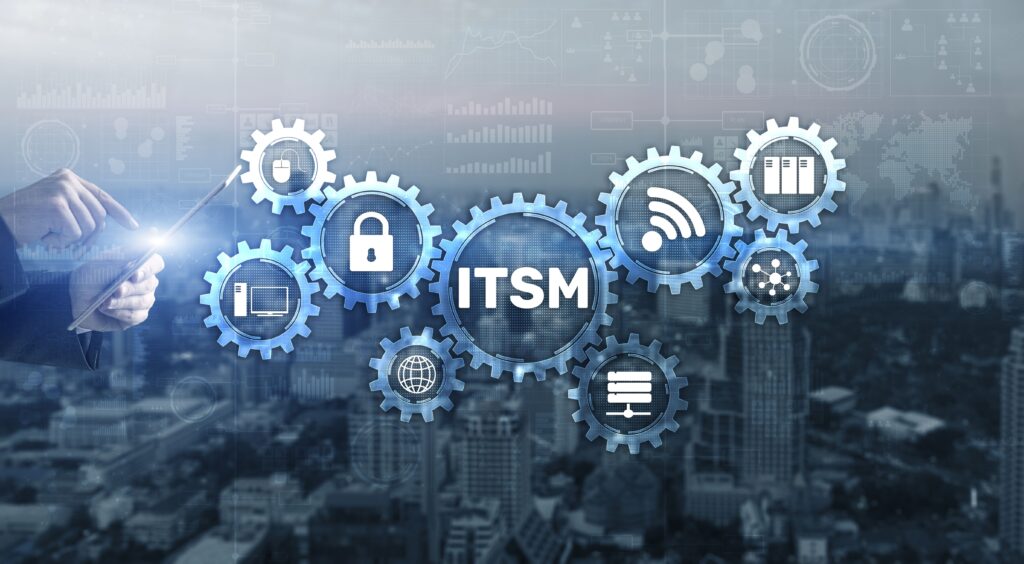
Enterprise Resource Planning (ERP) upholds Manufacturing Systems and Automation by smoothly integrating core functionalities. ERP optimizes production processes, inventory management, and supply chain operations. It provides real-time visibility into manufacturing workflows, facilitating informed decision-making. Through automation, ERP streamlines production scheduling, reduces lead times, and enhances resource utilization. With modules dedicated to quality control and compliance, ERP ensures adherence to industry standards. The integration of ERP with Manufacturing Systems enables data-driven insights, supporting predictive maintenance and minimizing downtime. By unifying manufacturing data, ERP fosters collaboration between departments, suppliers, and partners. This synergy helps organizations to achieve operational excellence, improve production efficiency, and respond adeptly to market demands, creating a robust foundation for success in the manufacturing industry.

SYSRPO and DATASCOPE
Utilities Turn to Physical AI to Accelerate Grid Modernization
Utilities are increasingly utilizing robotics and physical AI to enhance inspections, mitigate risks, and optimize workforce efficiency amidst challenges like electrification growth, aging infrastructure and labor shortages.
Coda
December’s M&A Sprint Signals AI Infrastructure Consolidation Era for Enterprises
In December 2025, a surge of over $100 billion in strategic technology acquisitions is compelling ERP executives to pivot away from fragmented solutions towards more robust, AI-native architectures amidst rising valuations and an emphasis on security.
Businessperson hold an image of an AI agent in hand.
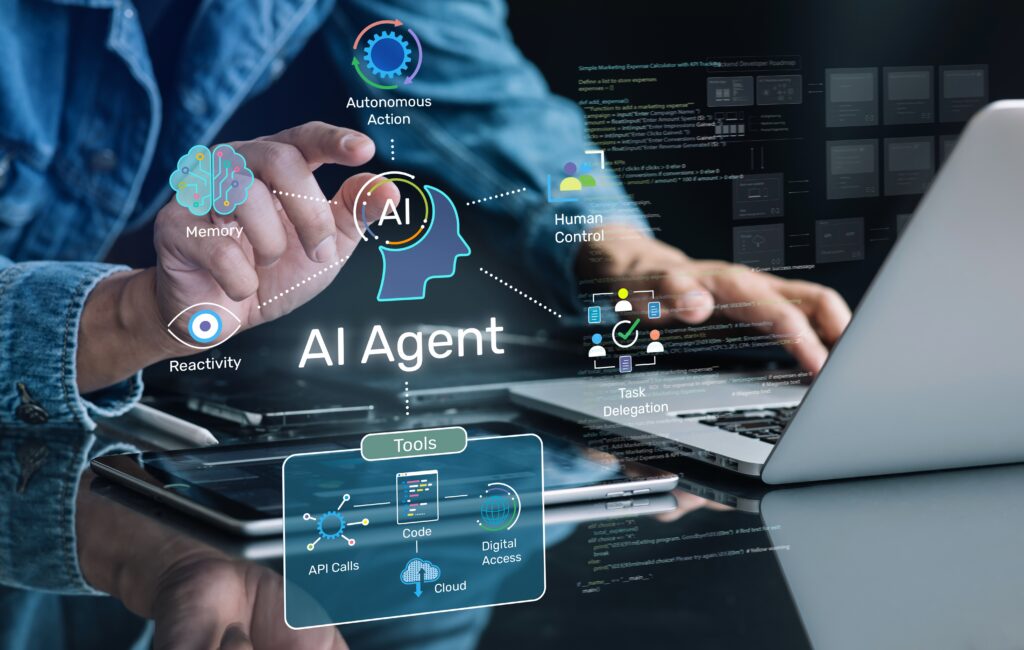
Digital Colleagues, AI Agents Reshaping the ERP Workforce Model
Corporate AI is evolving from simple assistants to autonomous agents that can execute workflows and make decisions, significantly altering ERP processes and promising revenue increases, necessitating a reevaluation of roles and systems to support this shift.
Manufacturing Expands Physical Automation with AI-Driven Robotics
Manufacturers are transitioning to AI-enabled robotic ecosystems that enhance productivity and quality by integrating with ERP and MES systems, which leads to significant improvements in efficiency and maintenance planning.
Unit4 and Pragmatic AI
AI Growth Will Outrun Power Capacity Without Industry Collaboration
As AI's electricity demand surges, energy executives emphasize the critical need for rapid infrastructure development and strategic energy planning to sustain digital transformation.
Robot-Resilience | RPA
IFS, Boston Dynamics Bring Physical AI to Field Operations
IFS and Boston Dynamics have partnered to integrate autonomous robots into field service workflows, enhancing operational efficiency and safety by allowing robots to perform inspections in hazardous locations.
The Importance of Professional and Managed Services for ERP Vendors
Manufacturing and distribution organizations are increasingly adopting managed services for ERP systems to cope with labor shortages and budget constraints, allowing internal teams to focus on strategic initiatives.
Businessperson hold an image of an AI agent in hand.
Why the Future Belongs to Pragmatic, Practical AI
The focus for manufacturing leaders has shifted towards pragmatic AI solutions that deliver measurable operational improvements in ERP processes by driving profitability amidst growing AI investment in the sector.
IFS Acquiring Softeon, Bringing Industrial AI to Warehouse Management
IFS's planned acquisition of cloud-native Softeon aims to enhance warehouse management capabilities, integrating AI and robotics into operations, amidst a growing $8.6 billion market driven by labor shortages and automation demands.
Syspro Joins National Association of Manufacturers
Syspro has joined the National Association of Manufacturers (NAM) to collaborate with U.S. manufacturing leaders on innovation, supply chain resilience and digital transformation.
ERP Lessons from Black Friday for Manufacturers, Retailers
Black Friday serves as a critical evaluation for ERP systems, revealing their capability for real-time operational control amid spikes in demand, and highlighting the need for strong data governance, operational visibility, and continuous analysis to enhance resilience and readiness for future challenges.
AI Agents Outperform RPA by 40% in Unstructured Document Processing, Study Shows
Artificio Products' research reveals that AI agents outperform traditional RPA in unstructured document processing, achieving 40% higher accuracy rates and significant cost and deployment advantages.
KAMAX Strengthening Supply Chain Operations Through Digitalization, Logistics Management
KAMAX, a German automotive parts manufacturer, is enhancing logistics efficiency and sustainability by implementing SAP's digital solutions for supply chain management while modernizing its operations across multiple plants.
AI ESG Reporting
Digital Tools Help SMEs Secure Green Financing: New Sage–ICC Report
A new Sage–ICC study reveals that while 70% of SMEs prioritize sustainability, only 3% access green financing, largely due to a lack of quality reporting tools, which impedes their ability to secure funding necessary for sustainable growth.
M&A
Cloud ERP Market Projected to Triple Growth by 2032
The Cloud ERP market is projected to grow to $176.93 billion by 2032, driven by increasing demand for scalable solutions, AI integration and cost-effective deployment as well as an emphasis toward operational efficiency.
Annexa Integrates NetSuite Innovations With AI
Annexa is increasingly focusing on AI to enhance its Oracle NetSuite solutions across Australia and New Zealand, integrating technologies like its Model Context Protocol and large language model APIs.
Datanomix and Fulcrum Partnering to Develop Seamless ERP, Production Integration
Datanomix has partnered with Fulcrum to integrate their technologies for modernizing manufacturing by unifying job planning, scheduling, and real-time production tracking, shifting toward a proactive environment that enhances visibility.
Clorox ERP
Clorox ERP Modernization: Lessons from a Large-Scale Transition
Clorox's recent ERP system launch, while an ambitious, faced challenges including concerns over costs and a decline in sales during the transition, illustrating the complexities and disruptions inherent in large-scale ERP migrations.
IFS Partners with Anthropic to Develop Industrial AI Solutions
IFS Nexus Black and Anthropic have partnered to launch Resolve, a specialized AI solution aimed at transforming critical industries by embedding safety-aligned AI into operational workflows.
Dynatrace Expands AI Cloud Operations With Microsoft Azure Integration
Dynatrace has launched a direct integration with Microsoft's Azure SRE Agent, enhancing AI-driven observability and automation for cloud operations, thereby enabling proactive issue detection and remediation within complex IT infrastructures on Azure.
IFS Showcases AI Impact Through Industry-Specific Scenarios
IFS's innovations at the Industrial X Unleashed event showcased partnerships with leading AI firms to integrate industry-specific solutions that enhance predictive maintenance, improve operational efficiency and transform asset management.
Blake Moret, CEO of Rockwell Automation.
Going from Automation to Autonomy at Rockwell Automation Fair
At Rockwell Automation’s Automation Fair, CEO Blake Moret emphasized the future of manufacturing through simplified automation and AI integration, while Plex's Michael Hart highlighted the importance of structured data and human-centered autonomy in evolving from automation to smarter, more autonomous operations.
Deutsche Telekom and NVIDIA Launch Industrial AI Cloud to Boost Germany’s Digital Sovereignty
Deutsche Telekom and NVIDIA have partnered to invest €1 billion in the Industrial AI Cloud in Munich, aiming to create one of Europe's largest AI factories, enhancing Germany's AI capabilities by 50% with 0.5 exaFLOPS performance, while ensuring data sovereignty and compliance for European businesses.
Simplify Smart: How Centralized SaaS and AI Accelerate Growth
Is your technology stack working for you, or against you? Many mid-sized manufacturers and distributors find themselves trapped in a maze of disconnected systems, scattered data, and decision-making that is more reactive than strategic. Managing multiple point solutions across departments create data silos, slows innovation, and clouds visibility into performance. Leadership is often left wondering whether they are investing in the right tools, are aligned across teams, and how to move from operational chaos to coordinated execution. The solution is to simplify SaaS access and visibility across business-critical applications. This will allow you to centralize application benchmark decisions and unlock new operational efficiencies without adding to existing IT burdens. The right solution will allow leaders to take full advantage of AI capabilities to make smarter decisions, reduce risk, and validate investment choices, turning data overload into competitive insight. By watching this session, you will be able to: - Identify gaps in your current application landscape and opportunities for consolidation. - Explain how centralized access improves efficiency and team alignment. - Apply peer benchmarking insights to validate operational decisions and guide strategy. - List key criteria for evaluating business applications with a modern technology stack.
Simplify Smart: How Centralized SaaS and AI Accelerate Growth
Is your technology stack working for you, or against you? Many mid-sized manufacturers and distributors find themselves trapped in a maze of disconnected systems, scattered data, and decision-making that is more reactive than strategic. Managing multiple point solutions across departments create data silos, slows innovation, and clouds visibility into performance. Leadership is often left wondering whether they are investing in the right tools, are aligned across teams, and how to move from operational chaos to coordinated execution. The solution is to simplify SaaS access and visibility across business-critical applications. This will allow you to centralize application benchmark decisions and unlock new operational efficiencies without adding to existing IT burdens. The right solution will allow leaders to take full advantage of AI capabilities to make smarter decisions, reduce risk, and validate investment choices, turning data overload into competitive insight. By watching this session, you will be able to: - Identify gaps in your current application landscape and opportunities for consolidation. - Explain how centralized access improves efficiency and team alignment. - Apply peer benchmarking insights to validate operational decisions and guide strategy. - List key criteria for evaluating business applications with a modern technology stack.
SYSPRO and riteSOFT
SYSPRO Deepens Manufacturing Capabilities with riteSOFT Acquisition
Global ERP provider SYSPRO is enhancing its smart manufacturing capabilities by acquiring riteSOFT, a US-based firm specializing in mobile warehouse management and shop floor data collection, marking a significant step towards offering a fully integrated digital suite for its global customer base.
The Agility Imperative: How No-Code Platforms Are Reshaping Manufacturing Operations
Manufacturers are increasingly adopting no-code platforms to enhance operational agility and responsiveness amid constant disruptions, allowing business users to create and implement solutions independently, thereby transforming technology development from a lengthy IT process into a strategic advantage that fosters innovation and real-time adaptability.