Cross Industry

Enterprise IT monitoring environment with multiple screens displaying system data, representing SAP security patching and authorization risk management.
Oracle Payments Flaw Shows Why Legacy ERP Can’t Patch at Back-Office Speed
A critical Oracle E-Business Suite vulnerability affecting Oracle Payments faced active exploitation attempts, putting renewed attention on how quickly enterprises patch legacy ERP environments tied to finance and payment workflows002E Cybersecurity Dive reported on July 1 that researchers observed exploitation...
AWS Security Hub’s Azure Move Shows ERP Security Is Now Multi-Cloud and AI-Native
AWS has expanded Security Hub to provide targeted protection for AI workloads and security monitoring for Microsoft Azure, enabling the discovery and evaluation of Azure resources alongside AWS findings, thereby enhancing visibility and governance across multi-cloud and hybrid ERP environments.
When AI Finds Bugs Faster, ERP Patch Governance Has to Catch Up
The White House launched the Gold Eagle initiative, an AI-driven cybersecurity clearinghouse aimed at enhancing coordination among government, private sectors, and open-source partners to expedite the identification and remediation of software vulnerabilities amid increasing pressure from advanced AI systems.
Companies Are Racing to Cut Tariff Costs, but Their Trade Software May Be Creating New Risk
As tariff volatility reshapes supply chains and financial planning, many organizations are discovering a new challenge: the software supporting Foreign-Trade Zone operations may be creating compliance, audit, and financial risks. New research highlights why FTZ modernization is becoming an ERP and business architecture priority.
Security Patch Day
July Patch Day Gave an AI Wake-Up Call from Microsoft, ServiceNow, and SAP
July's record-breaking patch cycle from Microsoft, ServiceNow, and SAP highlights a new reality for enterprise security teams. AI is accelerating vulnerability discovery, shrinking remediation windows, and expanding the attack surface across ERP systems, cloud platforms, identity infrastructure, and business-critical workflows.
IT professionals working at computer monitors in an office, representative of enterprise system security monitoring.
SAP’s July Patch Day Turns ERP Security into a Coordination Test
SAP's July 2026 Patch Day is not a single-vulnerability story. With four critical and six high-priority entries spanning NetWeaver, Approuter, Commerce Cloud, Integration Suite, SAProuter, UI5, and obsolete transport tooling, the real test for ERP teams is whether they can assign, execute, and verify different remediation actions across hybrid landscapes.
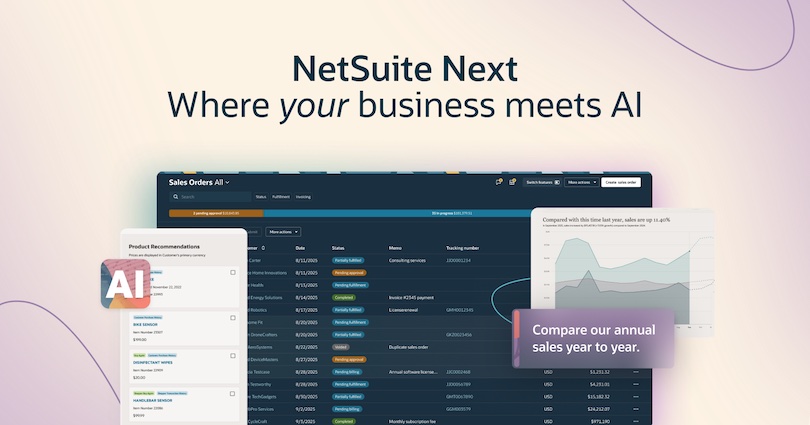
Oracle Begins NetSuite Next Rollout; Ask Oracle Moves into ERP Workflow
Oracle NetSuite has launched the North America rollout of NetSuite Next featuring enhanced AI capabilities and the Ask Oracle assistant for existing customers, marking its most significant update since launch, while also introducing specific AI-driven tools for finance and industry-specific solutions.
Oracle Fusion Agentic Applications
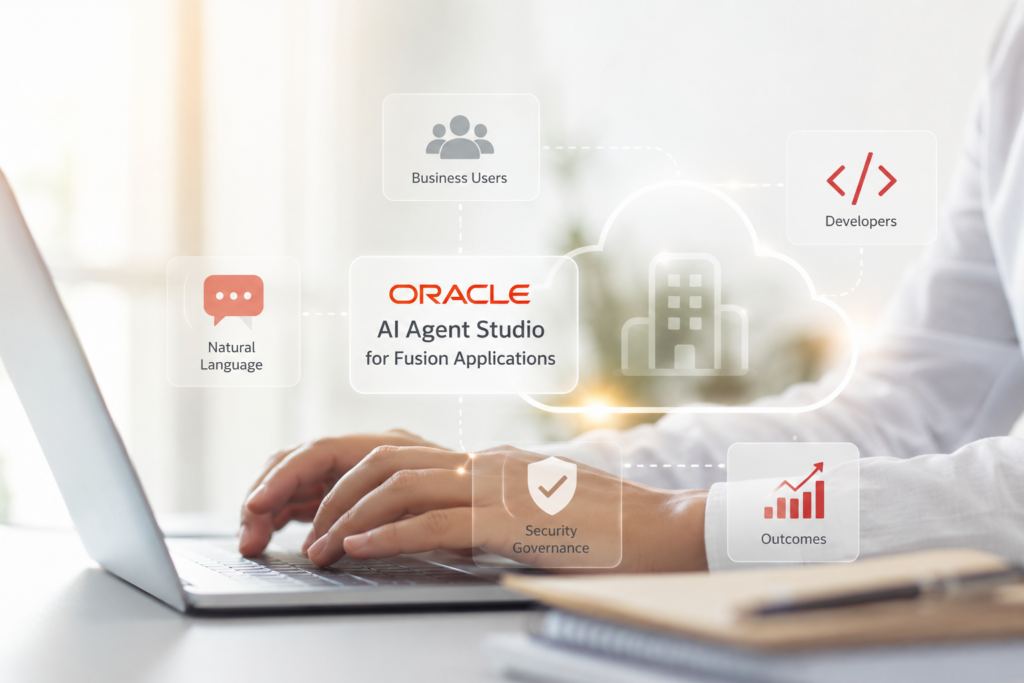
Oracle’s Next Agentic AI Move Puts Builders Inside Fusion
Oracle has launched a new AI-native builder experience for Fusion Applications, enabling customers and partners to create agentic applications with no-code, low-code, and pro-code options, all while ensuring integrated security and governance controls within Oracle's existing framework.
AWS SAP Transformation
KTern.AI’s AWS Agents Target the Consulting-Heavy Work Behind SAP Transformation
KTern.AI says a network of specialized AI agents can automate major SAP transformation activities, potentially reducing consultant dependency and accelerating S/4HANA migration programs.
image of Workday office surrounded by blue skies | Compa
Workday Research Shows Why AI Alone Is Not Fixing Busywork
New Workday research shows that disconnected systems continue to consume employee time, while organizations embedding AI directly into core workflows are realizing significantly stronger productivity gains and higher user confidence.
SNP Transformation World 2026
ERP Today brings members essential insights from SNP Transformation World 2026, covering SAP S/4HANA migration, AI-ready data, clean core strategies, M&A and business-led transformation.
AWS agentic AI SAP ERP exceptions - MCP agentic ERP infrastructure with AgentCore
AWS Is Giving SAP Agents a Rulebook for ERP Exceptions
AWS has introduced an Agentic Standard Operating Procedures framework that gives AI agents a rulebook for resolving SAP ERP exceptions—reading approved procedures, acting on live SAP data via Amazon Bedrock AgentCore, escalating high-risk cases to humans, and logging every step for full audit compliance.
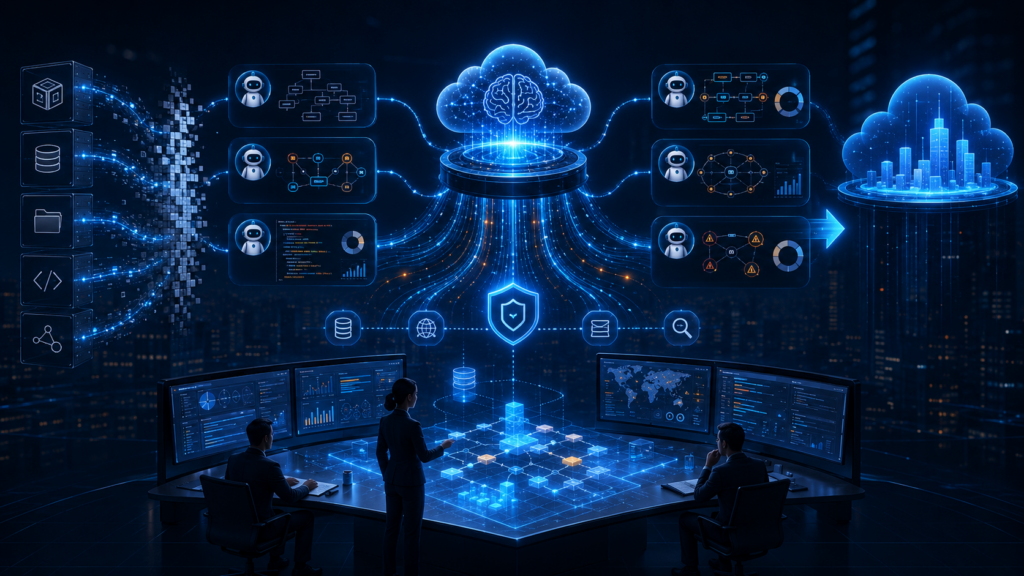
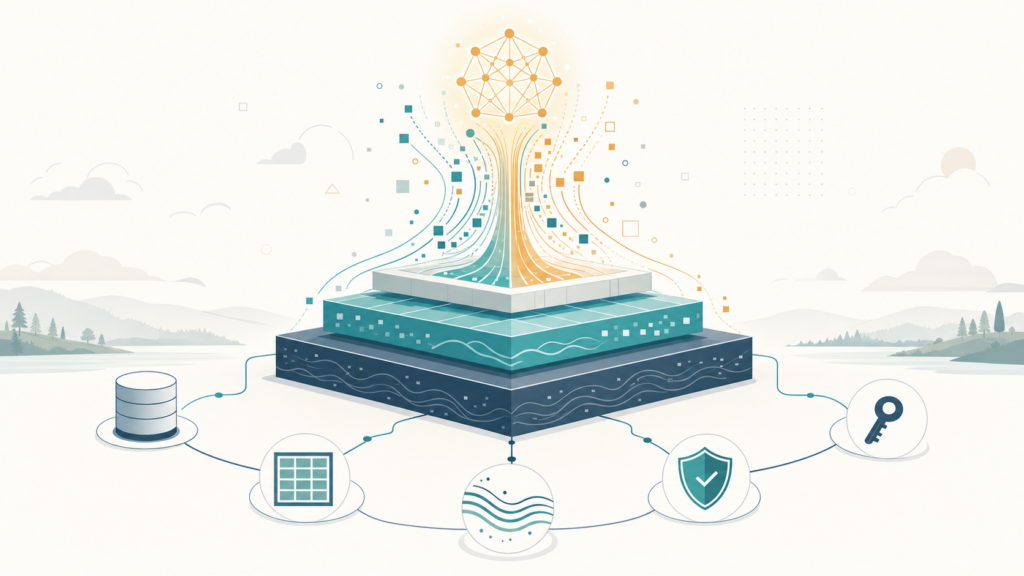
Real-time ERP data pipeline for enterprise AI agents - data lakehouse architecture
Real-Time ERP Data Becomes the Next Test for Production AI Agents
Enterprise AI agents are only as useful as the business context they can see. Real-time ERP data movement—governed, low-latency, and pipeline-native—is now the defining test for whether production AI delivers on its promise for finance, order management, and supply chain teams.
Bicycles parked in front of SAP office in Europe.
SAP’s EU Settlement Gives On-Premise Customers More Room to Maneuver
SAP has resolved a European Commission investigation by committing to more flexible maintenance and support policies for on-premise ERP software, enhancing customer choice and alleviating competition concerns without impacting its cloud offerings.
SAP transformation
The Friday-to-Monday Test for SAP Transformation: A Conversation with SNP’s CTO
Successful SAP transformation hinges not just on technical milestones like migration and cutover, but on ensuring business continuity by enabling enterprises to maintain essential operations across both SAP and non-SAP systems post-migration.
M&A
Priority Acquires Obol to Bring Cash Visibility Inside Cloud ERP
Priority Software acquired Obol, an AI-powered cash-flow management company, to enhance its cloud ERP platform with real-time cash forecasting and liquidity optimization, enabling customers to make better financial decisions using integrated tools.
Oracle Database@Google Cloud
Oracle Cloud ERP 26C Puts Finance Release Readiness Under Pressure
Oracle's Cloud Financials 26C readiness documentation highlights a new quarterly release cycle that requires finance and IT teams to prepare for significant changes, including compliance updates, AI-enabled capabilities, and 137 changes across multiple modules, necessitating ongoing release management as a core operational discipline.
SAP and IBM Say AI-Ready ERP Still Starts with Trusted Infrastructure
SAP and IBM are positioning ERP infrastructure as the foundation of AI readiness. New customer wins—including JYSK, GBM, DIFARE Group, and Plastilene Group—show how SAP Cloud ERP Private on IBM Power Virtual Server gives enterprises a secure, scalable path to modernization without abandoning the resilience of IBM Power.
ERP Today Awards
ERP Today Awards: AI, Operational Execution, Real-World Impact Defined ERP Leadership in 2025
The ERP Today Awards 2025 make one thing clear: ERP leadership is no longer defined by deployment success, but by real-world impact. Across five award categories—spanning AI innovation, operational execution, customer experience, SMB transformation, and large enterprise projects—the 2025 winners set a new standard for what it means to lead with enterprise technology.
middleware partnership management
meshIQ and Dataeko Target the Middleware Blind Spot Blocking Modernization
meshIQ and Dataeko have partnered to give enterprises unified visibility and control over middleware environments that connect ERP, supply chain, and banking systems across hybrid and multi-cloud estates. Powered by meshIQ's Version 12.1 agentic AI, the partnership targets the middleware blind spots blocking cloud modernization.
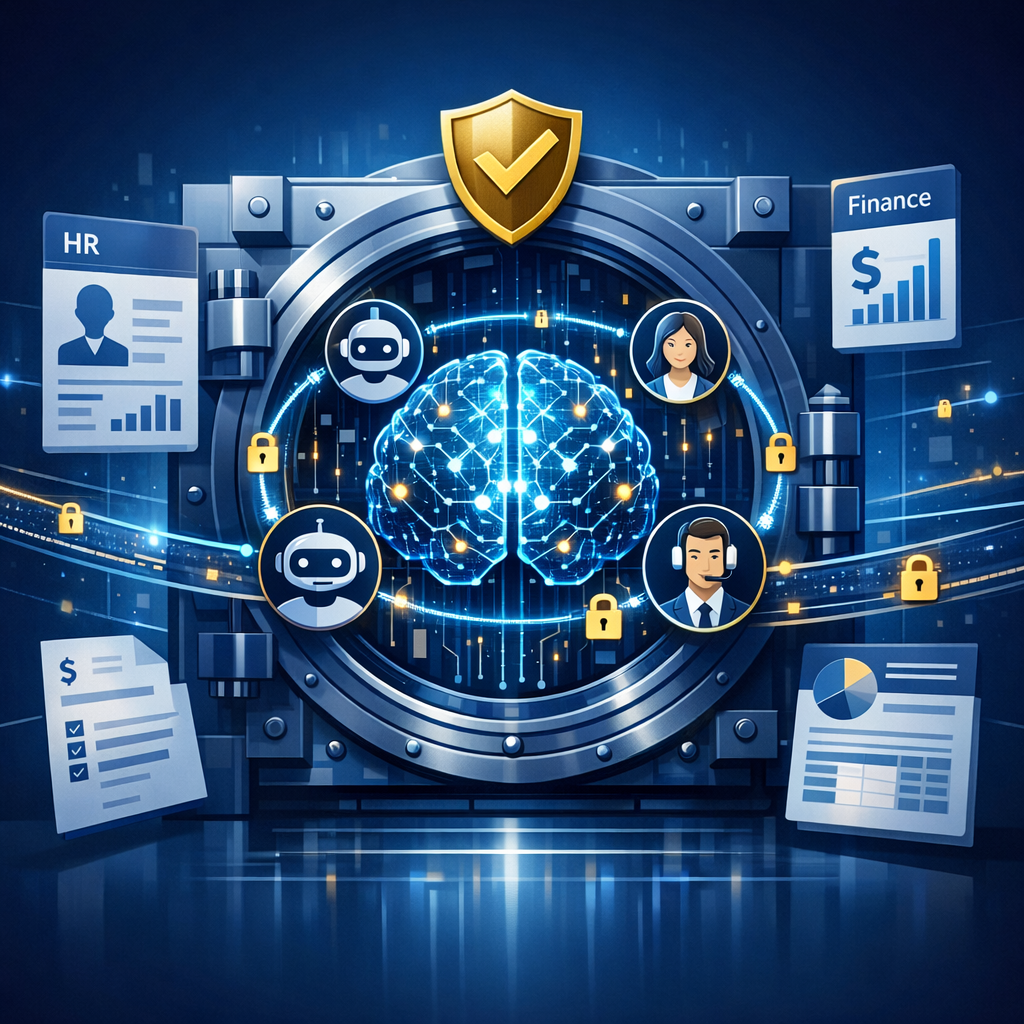
Enterprise AI sprawl and invisible AI governance concept
The AI Bill Is Bad, But Not Knowing What Is Running May Be Worse
Enterprises are learning the biggest AI bill is not tokens but invisible AI they cannot see, govern, or measure. This article explains how ERP and IT leaders can bring AI agents, tools, and workflows under real governance before sprawl, risk, and cost spiral out of control.
The ERP Value Gap: The Cost of Disconnected Payment Workflows
Disconnected AP workflows are quietly draining ERP value — new research on how payments and integration impact ERP performance Organizations invest in ERP systems to streamline operations, improve visibility, and connect critical business workflows. Yet when it comes to payments, 43% of organizations still manage at least some accounts payable (AP) processes outside the ERP, creating friction that limits the efficiency, scalability, and value they expect from their ERP investment. Based on new research from Priority Commerce surveying 150 AP professionals, The ERP Value Gap explores how disconnected AP workflows affect business outcomes, why payments are becoming a more important driver of platform value, and how ERP providers can better meet evolving customer expectations. For ERP providers and the enterprises that run on them, the challenge is closing the gap between the seamless AP experience users expect and what platforms actually deliver — without adding integration complexity or disrupting existing workflows. This session makes the case for treating payables as a core platform capability rather than an add-on: embedding payment capabilities directly into the ERP to improve AP efficiency, reduce workflow fragmentation, and increase value. Watch this on-demand session as Priority Commerce EVP of Operations Steve Tackett draws on 20+ years in payments technology to show finance and operations teams what to consider when connecting modern payment capabilities to their ERP environment. Why you should watch: - See the new research: What 150 AP professionals reveal about where AP workflows still live outside the ERP — and what it costs in visibility, efficiency, and scalability. - Diagnose your ERP value gap: Identify the common AP workflow challenges and integration barriers that force teams to manage payments outside the platform. - Pinpoint what to fix: Learn which payment and AP capabilities close those gaps and create a more seamless, connected ERP experience. - Understand the strategic upside: See why integrated payments strengthen platform value, customer retention, and long-term growth. - Get a CFO-ready view: Understand what role integrated payments should play in a modern ERP strategy and how they move the needle on cost, control, and ROI.

The ERP Value Gap: The Cost of Disconnected Payment Workflows
Disconnected AP workflows are quietly draining ERP value — new research on how payments and integration impact ERP performance Organizations invest in ERP systems to streamline operations, improve visibility, and connect critical business workflows. Yet when it comes to payments, 43% of organizations still manage at least some accounts payable (AP) processes outside the ERP, creating friction that limits the efficiency, scalability, and value they expect from their ERP investment. Based on new research from Priority Commerce surveying 150 AP professionals, The ERP Value Gap explores how disconnected AP workflows affect business outcomes, why payments are becoming a more important driver of platform value, and how ERP providers can better meet evolving customer expectations. For ERP providers and the enterprises that run on them, the challenge is closing the gap between the seamless AP experience users expect and what platforms actually deliver — without adding integration complexity or disrupting existing workflows. This session makes the case for treating payables as a core platform capability rather than an add-on: embedding payment capabilities directly into the ERP to improve AP efficiency, reduce workflow fragmentation, and increase value. Watch this on-demand session as Priority Commerce EVP of Operations Steve Tackett draws on 20+ years in payments technology to show finance and operations teams what to consider when connecting modern payment capabilities to their ERP environment. Why you should watch: - See the new research: What 150 AP professionals reveal about where AP workflows still live outside the ERP — and what it costs in visibility, efficiency, and scalability. - Diagnose your ERP value gap: Identify the common AP workflow challenges and integration barriers that force teams to manage payments outside the platform. - Pinpoint what to fix: Learn which payment and AP capabilities close those gaps and create a more seamless, connected ERP experience. - Understand the strategic upside: See why integrated payments strengthen platform value, customer retention, and long-term growth. - Get a CFO-ready view: Understand what role integrated payments should play in a modern ERP strategy and how they move the needle on cost, control, and ROI.

Microsoft’s Layoffs Has Put Its AI Sales Machine Under Scrutiny
Microsoft's recent layoff of 4,800 employees, mainly from its sales and Xbox divisions, reflects a broader shift in the enterprise software model due to AI investments, highlighting challenges in selling complex AI solutions while adapting workforce structures to meet changing customer needs.
Finance AI
Sage Finds Finance AI Can Be 99% Accurate and Still Fail the Trust Test
A recent Sage study revealed that 71% of finance leaders would dismiss a highly accurate AI tool if it lacked explainability, emphasizing that transparency and the ability to validate AI-generated outputs are crucial for trust and compliance in financial decision-making.
enterprise AI ROI
AI’s Token Binge Is Over—Now Enterprise Budgets Want Proof
Enterprises that once rewarded employees for maximizing AI usage are now discovering how quickly token costs can spiral. As finance leaders tighten budgets, AI pilots are being judged on workflow‑level outcomes, model routing discipline, and whether they actually improve delivery, code quality, and ERP operations—not just how many tokens they consume.
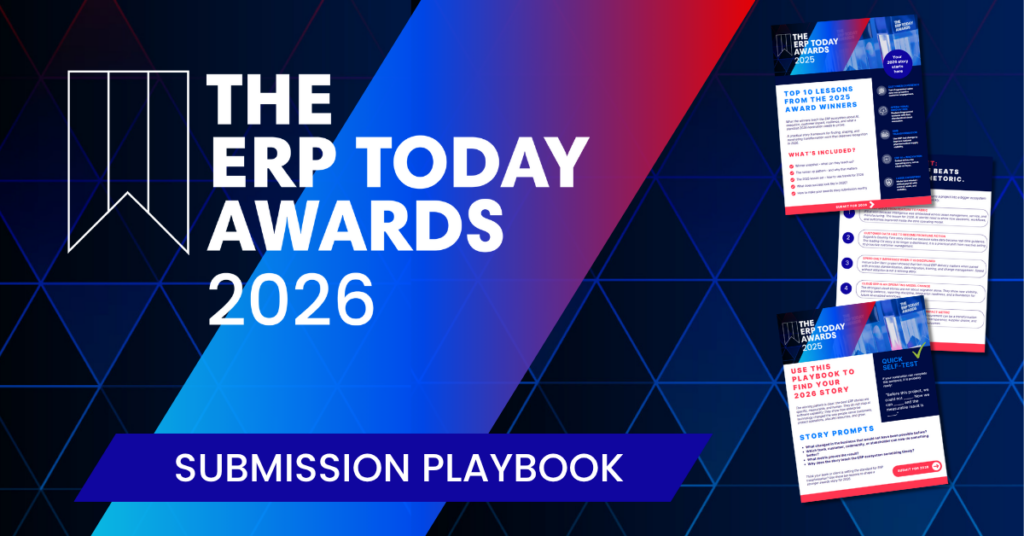
The ERP Today Awards 2025 Playbook
Get prepared for the ERP Today Awards 2026! A practical story framework for finding, shaping, and nominating transformation work that deserves recognition in 2026. Download our awards playbook to get nomination-ready for the ERP Today Awards 2026.
Global tax management architecture connecting ERP data, e-invoicing, tax engines, analytics, and compliance governance.
SAPinsider’s New Global Tax Report Shows Why ERP Data Is at the Center of Compliance
SAPinsider’s 2026 Global Tax Management benchmark shows that tax compliance is becoming an ERP data problem, with AI, e-invoicing, regulatory change, and fragmented systems forcing tax, finance, and IT leaders to rebuild the foundation.
SAP AI budget discipline for hiring and travel
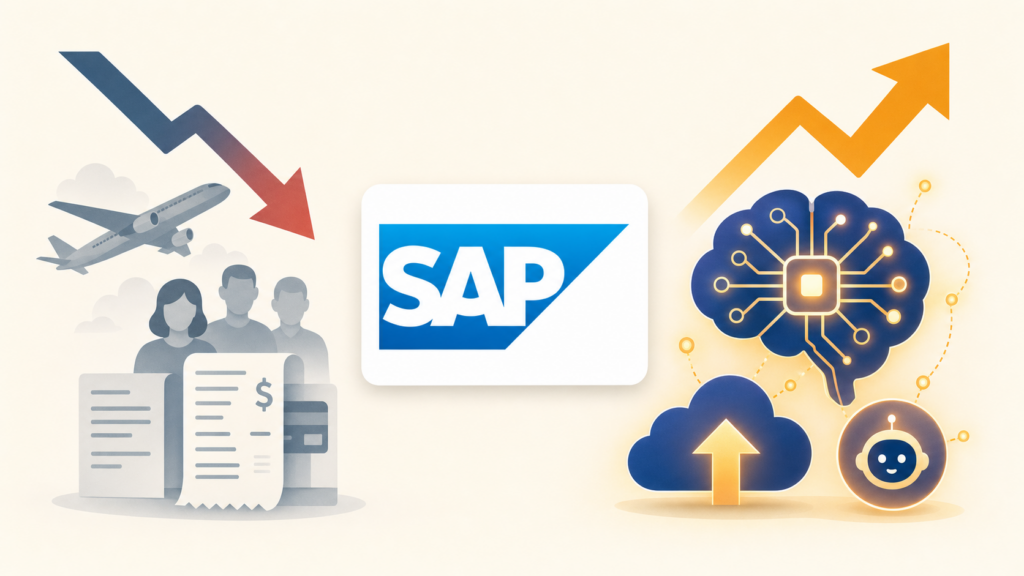
After SAP’s Leadership Reorg, AI Overhaul Places New Scrutiny on Hiring and Travel
SAP is reallocating its operating budget by tightening hiring, limiting travel, and reviewing supplier spending to prioritize investments in AI capabilities and technologies, signaling a strategic shift towards enhancing its AI-driven products and services while managing operational costs.
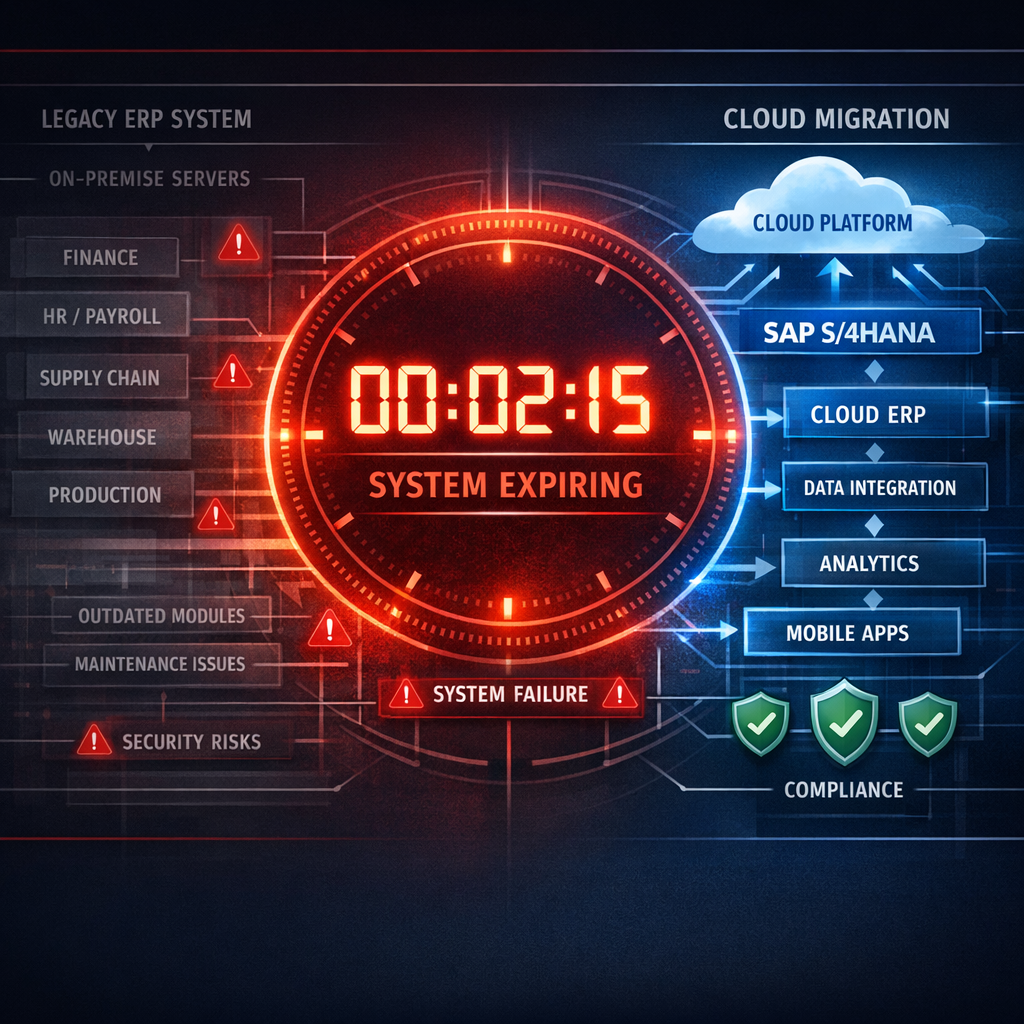
Winding Down Support: The Other 2027 Deadline ERP Teams Can’t Afford to Miss
SAP ECC is not the only 2027 deadline ERP teams need to manage. SAP Solution Manager—the tool most SAP organizations rely on for change control, ITSM, monitoring, and audit trails—is also winding down its support in 2027. With SAP Cloud ALM not offering a direct like-for-like replacement for SolMan's ChaRM functionality in on-premise scenarios, ERP teams face a hidden compliance and governance gap that requires urgent planning.