Analytics and AI

Artificial Intelligence (AI) and analytics are indispensable in propelling digital transformation efforts, particularly influencing Enterprise Resource Planning (ERP). With the rapid progression of technology and computing power, organizations across various sectors are generating immense amounts of data daily, impacting ERP processes. The significance of this data lies in its potential to extract actionable insights, facilitate strategic planning, and drive innovation within the ERP framework. In this context, AI and analytics emerge as pivotal tools, facilitating the extraction of value from the vast amounts of data generated and collected across the enterprise, optimizing ERP functionalities. Analytics is commonly categorized into descriptive, prescriptive, diagnostic, and predictive types, enhancing the ERP landscape. AI algorithms contribute not only to predictive and prescriptive analytics but also empower companies to develop innovative ERP capabilities, exemplified by advancements such as Industry 4.0.

ERP
AI’s Last-Mile Failure: Why ERP Value Breaks Down After the Investment
Organizations investing in AI within ERP systems often fail to achieve expected results not due to technology issues, but because they neglect to redesign decision-making processes and empower employees to effectively use AI insights.
Closeup of the IBM Logo
IBM Launches Enterprise Advantage to Help Companies Scale Agentic AI
IBM has introduced Enterprise Advantage, a new consulting-led service aimed at helping enterprises move beyond AI pilots and deploy agentic AI across core business systems at scale.
Acumatica Summit Highlighting AI, Low-Code Solutions for ERP Automation
Acumatica's Summit 2026 highlights their AI and low-code platform capabilities that enables business users to create customized AI workflows without developer support, enhancing workflow automation and practical AI applications.
How ERP Vendors Can Turn AI From Weakness into Strength
ERP vendors are pressured to demonstrate the tangible operational benefits of their AI capabilities, with industry-specific implementations like those at Golden State Foods and Polaris showcasing measurable gains as the market continues to expand.
Digital image of computer functions over person typing at a laptop.
Joule Integrations Move SAP’s AI Deeper Into Enterprise Workflows
SAP is expanding Joule through deeper integrations across enterprise applications and partner platforms, positioning the AI assistant as a workflow layer embedded directly into business execution.
GRC Moves to the Strategy Table as AI, Regulation Raise the Bar on Trust
Governance, risk, and compliance (GRC) are increasingly integrated into core enterprise strategy, driven by AI adoption, cloud transformation, and regulatory pressures, necessitating a shift from siloed approaches to proactive, unified models that enhance risk visibility and compliance across modern enterprises.
BW Energy
Autonomous AI Agents Are Moving Toward Multi-Step Decisions in Oil and Gas ERP Systems
AI capabilities in ERP systems are evolving from basic alerting and visualization to fully autonomous execution of complex business decisions, significantly enhancing value for technology executives in asset-intensive industries.
Understanding AI’s Growing Role in ERP, Enterprise Software
Rootstock's acquisition of Praxis Solutions highlights the need for manufacturers to prioritize business processes and outcomes in AI integration for ERP systems, as many companies struggle with digital transformation challenges.
An exhibit on the history of AI at MIT.
How Agentic AI and Composable Architecture Are Reshaping ERP Strategy
A new MIT Technology Review Insights briefing examines how agentic AI and composable architectures are reshaping ERP strategy. The report argues that enterprises are moving beyond vendor-driven upgrades toward modular, AI-orchestrated systems of action.
SAP sign showing logo outside of office building.
SAP-RPT-1 Brings Tabular Foundation Models to Enterprise AI
SAP has introduced SAP-RPT-1, a tabular foundation model designed for structured enterprise data, positioning it as a complement to language models for predictive tasks inside ERP systems.
Syspro Highlights Breakthrough Year with AI-Driven Platform Modernization, Global Brand
Syspro reports significant global momentum marked by revenue and ARR growth, expansion of subscription services, and a transition to a cloud-first platform alongside the launch of a new brand.
Digital image of data over field with wind turbines.
AI’s Hidden Dependencies: How Energy, Compute, Scale Change the Cost of AI
A new Blue Shift report shows how AI’s growing energy and compute demands are driving infrastructure costs that many enterprises have not priced in. Those pressures surface most clearly inside ERP systems.
Bicycles parked in front of SAP office in Europe.
SAP’s EU AI Cloud Addresses Data Sovereignty as Regulations Tighten in Europe
SAP’s EU AI Cloud reflects how data sovereignty and regulation are reshaping where and how enterprises deploy AI in Europe.
Aptean Acquires OpsVeda to Bridge Planning-Execution Gap with Agentic AI Orchestration
Aptean's acquisition of OpsVeda enhances its AI-driven supply chain capabilities, creating a unified platform that bridges the gap between planning and execution with real-time, agentic AI designed for continuous operational adaptation.
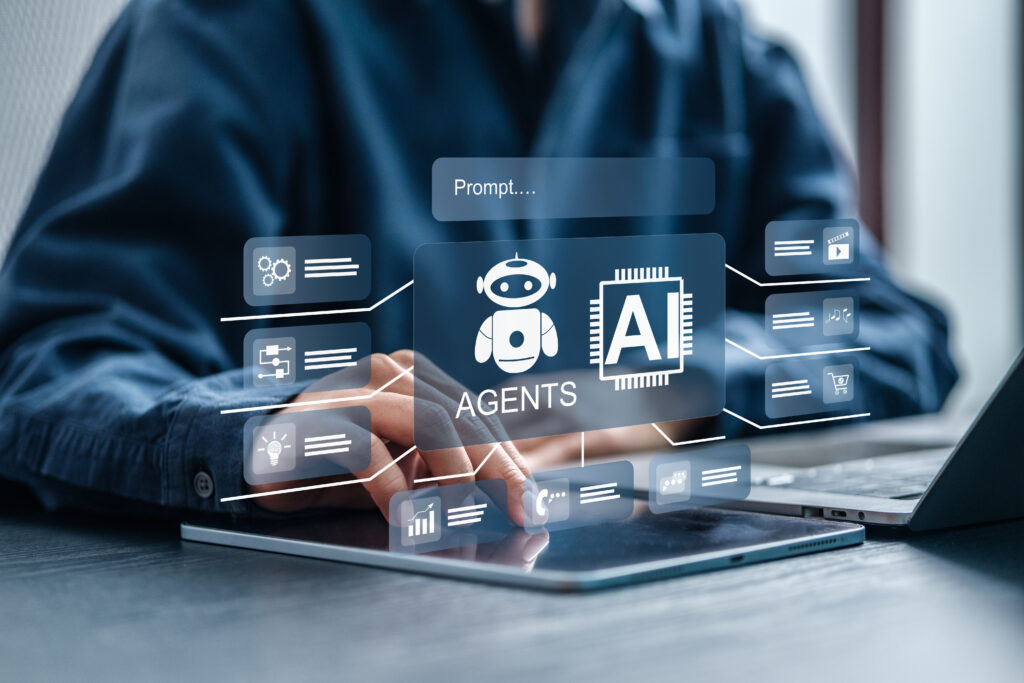
Image of finger touching an AI agent in digital space.
CData, Databricks, and the Expanding MCP Ecosystem
CData has been named a Featured Launch Partner for the Model Context Protocol in the Databricks Marketplace. The launch makes CData Connect AI available inside Databricks, positioning it as infrastructure for building AI agents that need governed access to live enterprise systems.
SAP, Fresenius Team Up to Drive AI-Enabled Digital Healthcare Transformation in Europe
SAP SE and Fresenius have launched a strategic partnership aimed at creating an AI-powered, interoperable healthcare ecosystem in Europe to enhance digital healthcare delivery by integrating SAP’s technologies with Fresenius’s healthcare expertise for improved data management and compliance.
Public Sector ERP and AI Are Running on Two Clocks: Will That Gap Become a Strategic Risk?
Public sector technology strategy is conflicted by the slow, methodical pace of legacy system modernization, exemplified by the UK's Defence and Bank of England initiatives, contrasted with the rapid, high-profile push for AI and advanced computing, leading to a widening gap between ambition and execution.
Agentforce Manufacturing Addresses Labor Shortages, Operational Inefficiencies
Salesforce released Agentforce Manufacturing, a suite of AI agent templates enabling manufacturers to enhance autonomy and efficiency while mitigating labor shortages, marking a significant shift in the industry toward predictive and proactive operations.
Digital Sovereignty Is a Board-Level ‘Mandate’ in the AI Era: IBM Whitepaper
Digital sovereignty is evolving from a technical issue to a strategic priority for enterprises, driven by the need to manage AI, comply with strict government regulations on data handling, and leverage untapped data.
Employee slumped in front of several computer monitors.
Workday Research Finds AI Productivity Gains Are Lost to Rework
Workday research finds nearly 40% of AI productivity gains are lost to rework, as employees spend significant time correcting and verifying AI output, exposing gaps in how organizations measure and manage AI impact.
Construction ERP Evolution: How AI-Enhanced Integration Addresses North America’s Workforce Crisis
The construction ERP landscape is shifting towards AI-enhanced, best-of-breed integrations that address operational inefficiencies driven by labor shortages, regulatory complexities, and margin pressures, reflecting a trend where vertical specialists form core components of ERP ecosystems.
iBASEt Launches Domain-Specific AI Platform for Aerospace Manufacturing
iBASEt launched Solumina AI, a specialized artificial intelligence platform for regulated aerospace and defense manufacturing, featuring modules that enhance operational workflows while challenging traditional ERP and PLM vendors relying on generic AI.
Navigating Manufacturing Costs: The Strategic Role of CloudPaths and NetSuite
Sage Brings Copilot into Operations to Push Manufacturing, Distribution Toward Agentic Supply Chains
Sage has integrated its Copilot AI assistant into Sage Operations to enhance operational workflows with earlier risk detection and proactive insights for manufacturing and distribution teams, signaling a move towards more agent-driven operational models.
Syngenta Deploys SAP Cloud ERP Private, SAP Business AI to Support Data-Driven Agriculture 
Syngenta has partnered with SAP to integrate AI-driven capabilities into its operations, aiming to enhance decision-making, automate workflows, and support sustainable agriculture through advanced data analytics and ERP modernization.
MISO, Microsoft Partner on Azure-, AI-Powered Grid Platform to Streamline Planning Cycles
Microsoft and MISO are collaborating to develop an AI-driven data platform on Azure to enhance grid planning and operations, aiming to reduce analysis cycles from weeks to minutes and support a more resilient, data-informed energy system as demand for electrification and renewables grows.
Autonomous AI and Composable Architectures are Helping ERPs Transforming Energy Sector
The oil, gas and chemical industries are shifting their enterprise resource planning strategies towards autonomous operations and composable architectures, spurred by low commodity prices and increasing regulatory demands, leading to improved decision-making through AI and enhanced operational efficiencies.
Why Small Plants Need Enterprise-Level Capabilities Without Enterprise Overhead
Small plants are increasingly adopting cloud ERP solutions to gain visibility and control without the need for extensive IT resources, shifting from fragmented systems to integrated operations that enhance efficiency.