ERP Strategy

erp work transformation
Report: AI Is Moving Faster Than the Enterprise Systems Built to Support It
Microsoft's 2026 Work Trend Index reveals a growing disconnect between employee AI capabilities and the enterprise systems designed to support them. As workers move faster with AI, ERP leaders face growing pressure to connect intelligence, governance, and operational execution.
The Mid-Flight ERP Decision: What to Do When the Platform Changes Before Go-Live
Cloud ERP vendors continuously release new capabilities, creating a challenge many organizations never anticipated when they approved their business case. This article explores how ERP leaders should respond when a platform changes before go-live and offers a practical framework for balancing customization, standardization, governance, and long-term value.
SAP’s Cloud Backlog Bounced Back, but AI Pricing Stole the Earnings Call
SAP's latest quarter demonstrated strong cloud momentum, but the bigger story may be emerging around AI economics. As SAP expands Business AI, Joule, and autonomous agents, executives are signaling a future where ERP pricing could shift from licenses and subscriptions toward measurable business outcomes.
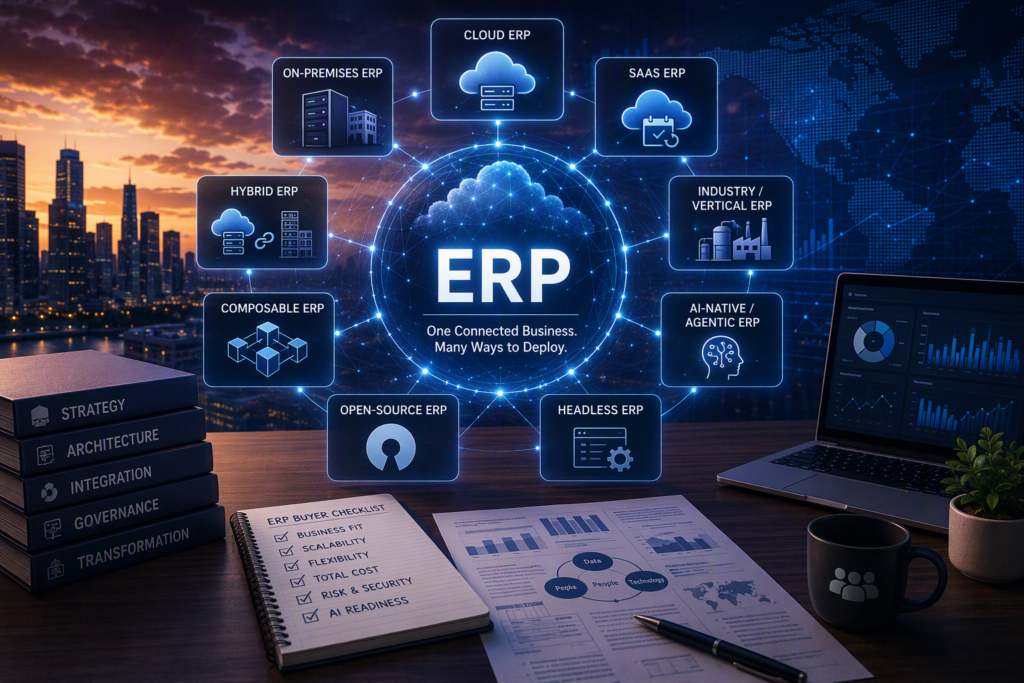
types of ERP systems
ERP Systems Explained: A Practical FAQ for Buyers
Cloud ERP, SaaS ERP, hybrid ERP, composable ERP, AI-native ERP, and agentic ERP are often discussed interchangeably, but they describe very different technology models. This ERP Today guide explains the major ERP deployment, architecture, industry, and intelligence categories enterprise buyers need to understand.
Boardroom Decision Debt
Decision Debt: The Hidden ERP Liability No Dashboard Tracks
Most ERP programs measure budgets, milestones, testing progress, and deployment readiness. Few measure the hidden liability created by unresolved business decisions. As AI compresses implementation timelines, decision debt may become one of the most expensive risks in enterprise transformation.
AWS SAP Transformation
KTern.AI’s AWS Agents Target the Consulting-Heavy Work Behind SAP Transformation
KTern.AI says a network of specialized AI agents can automate major SAP transformation activities, potentially reducing consultant dependency and accelerating S/4HANA migration programs.
DLA ERP Modernization
DLA’s ERP Modernization Race Shows How Audit Pressure Is Rewriting Federal Cloud Deals
DLA is years ahead of schedule on a major ERP modernization initiative aimed at reducing technical debt, improving auditability, and moving away from heavily customized systems. The effort highlights how cloud services, managed support, and process standardization are becoming foundational to federal ERP transformation.
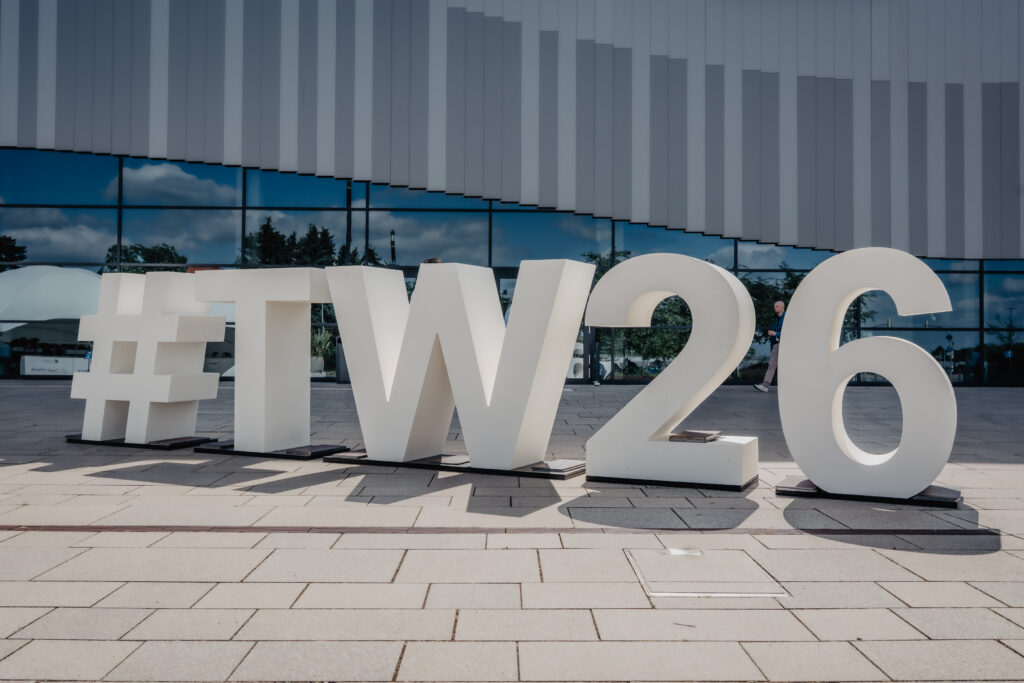
SNP Transformation World 2026
ERP Today brings members essential insights from SNP Transformation World 2026, covering SAP S/4HANA migration, AI-ready data, clean core strategies, M&A and business-led transformation.
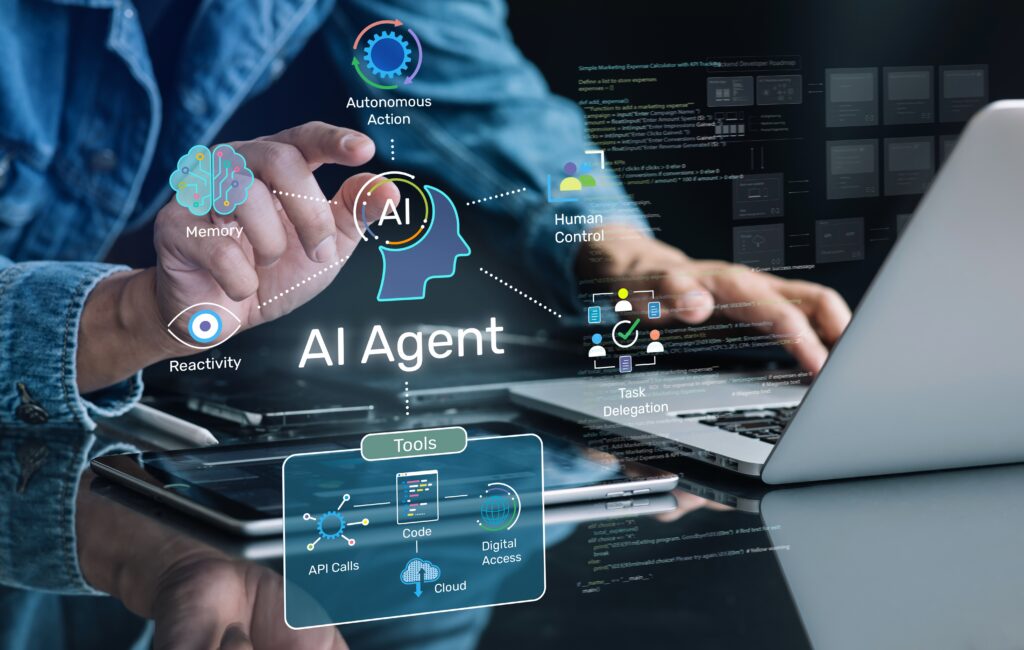
Gatekeeping Enterprise AI? Workday Redraws the Build-vs-Buy Line for AI Agents
Workday’s DevCon 2026 announcements show how enterprise AI agent strategy is moving beyond build-versus-buy and toward governed access to HR, finance, business process, and audit controls.
Hitachi Solutions Named 2025 Microsoft Dynamics 365 Finance Partner of the Year
Hitachi Solutions has been recognised as the 2025 Microsoft Dynamics 365 Finance Partner of the Year, highlighting its leadership in delivering innovative ERP and finance transformations on the Microsoft cloud. This recognition showcases the company’s proven expertise in helping customers modernise financial operations, optimise business performance, and realise greater value from Dynamics 365 Finance.
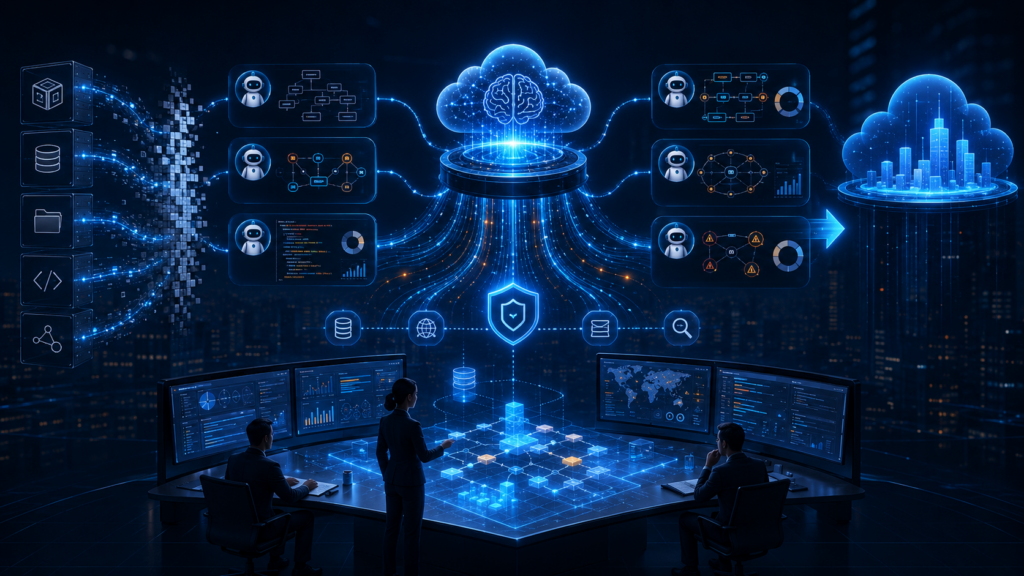
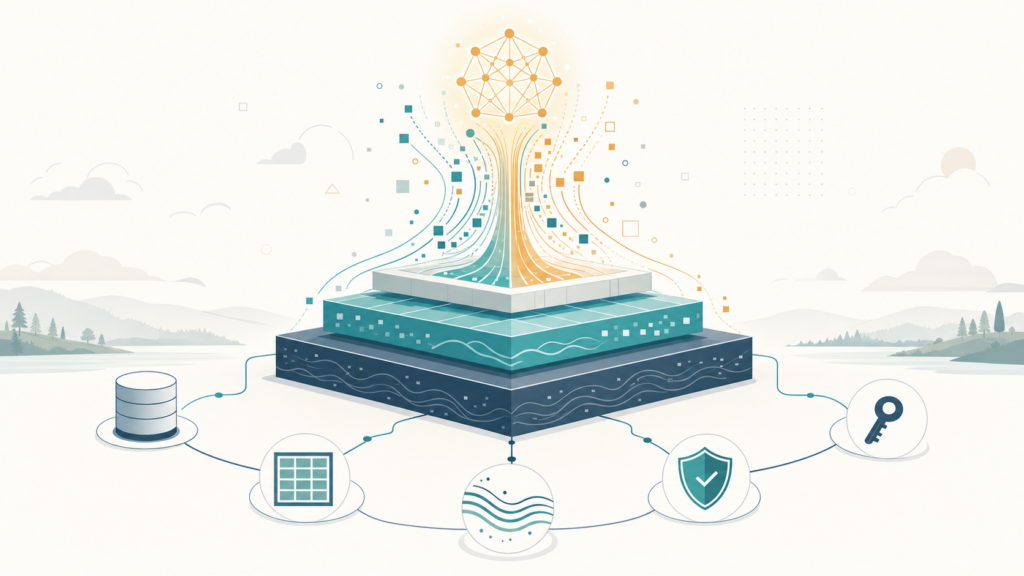
Real-time ERP data pipeline for enterprise AI agents - data lakehouse architecture
Why ERP Leaders Need to Understand Data Lakehouses Before Scaling AI Agents
Data lakehouses are emerging as the essential infrastructure layer for enterprise AI — providing ERP leaders with a governed, cross-system data foundation where AI agents can operate safely, semantically, and at scale. This analysis explains what a data lakehouse is, why it matters for agentic AI, and what ERP leaders must address before scaling autonomous AI across critical business workflows.
Tax compliance and readiness
Does Your ERP Know What Tax Regime You’re In? A Compliance Readiness FAQ for Enterprise Finance Leaders
Tax compliance has evolved into a critical board-level consideration for ERP systems, emphasizing the need for real-time reporting, continuous transaction controls, and adaptable architectures while leveraging AI to address compliance challenges across jurisdictions.
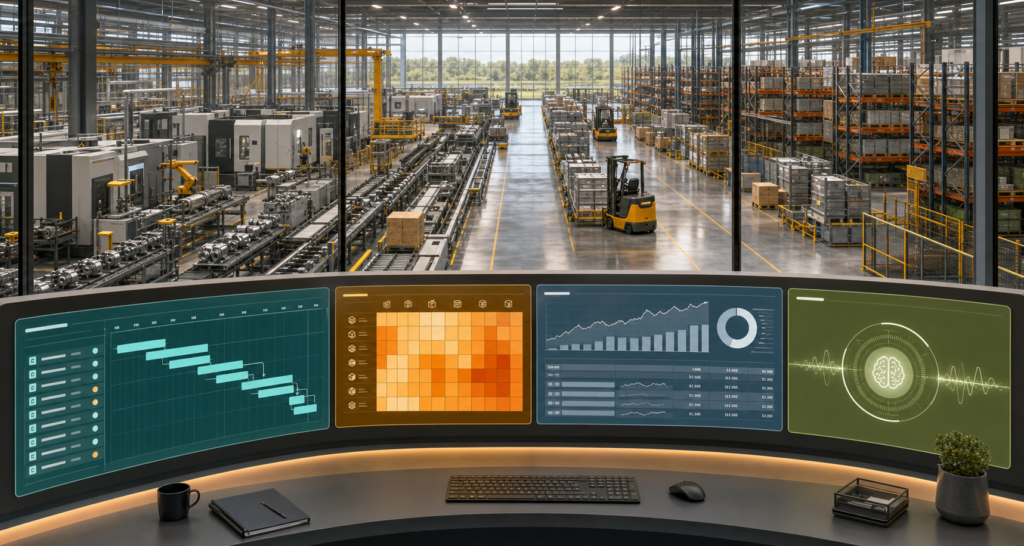
Syspro’s Nucleus Leader Ranking Puts Manufacturing ERP Back in Focus
Syspro’s move into the Leader quadrant of the 2026 Nucleus Research SMB ERP Technology Value Matrix signals a broader shift in midmarket ERP buying, where manufacturing depth, usability, embedded automation, and deployment flexibility are becoming central to value.
AI That Executes: What the 2026 ERP Market Is Actually Building So Far
This month's enterprise software announcements reveal a significant focus on execution, as evidenced by notable acquisitions aimed at enhancing AI capabilities across various domains, emphasizing the need for domain-specific inputs for effective operational execution.
Databricks and SnowflakDatabricks vs Snowflake enterprise AI data war lakehouse architecturee battle over AI and data
Databricks’ $134B Valuation Puts the Enterprise AI Data War in Focus
Databricks is signaling a pivotal shift in enterprise AI spending towards essential data platforms for effective model utilization, highlighted by its recent $7 billion funding round and competition with Snowflake to manage data for analytics and agentic AI.
SAP Executive Interviews
SAP Sapphire Interviews: SAP Executives Say AI Is Pushing ERP Back to the Center of Business Strategy
At SAP Sapphire 2026, Maura Hameroff and David Vallejo emphasized that AI is transforming ERP systems into strategic business frameworks that enhance enterprise decision-making by integrating industry knowledge and addressing fragmented data, thereby enabling companies to efficiently navigate modern challenges in supply chain management and overall business operations.
Workday office building | Workday and Groundswell take US federal agency to the cloud
Workday’s Moat Is Real—But AI Is Testing Its Limits
Two analysts offer diverging views on Workday's long-term viability, with Joe Schmidt suggesting that AI may erode the structural switching costs that currently protect it, while Josh Bersin argues that Workday's established frameworks position it favorably as AI evolves, highlighting a critical market shift towards architectural effectiveness in ERP and HCM systems.
ERP cost
ERP Overspending Is Being Driven by Governance Gaps, Not Just Software Pricing
ERP cost overruns stem more from post-purchase management and governance issues, like underutilized licenses and ongoing subscription growth, rather than the initial license pricing itself.
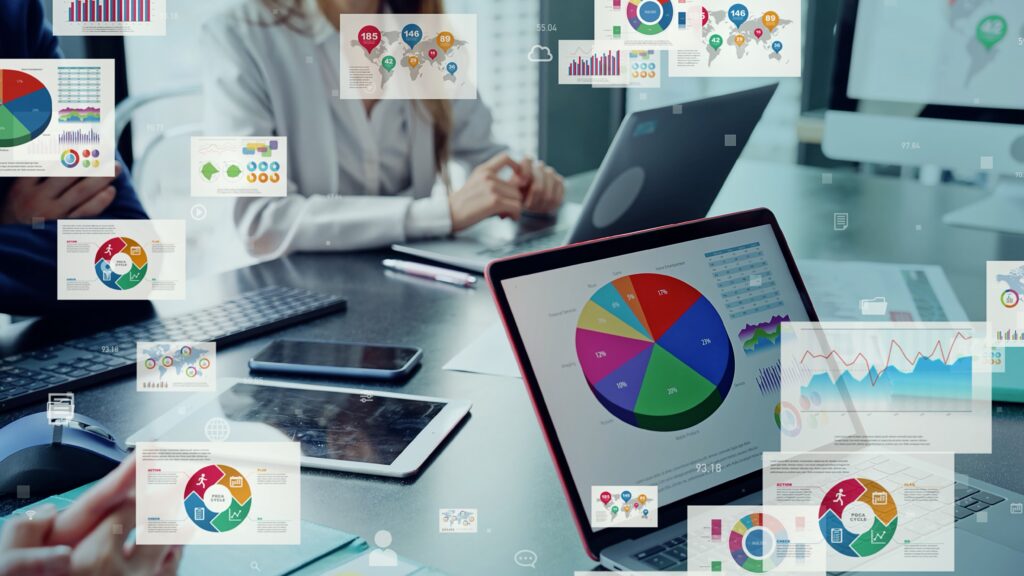
Dynamic Finance Emerges as a Competitive Differentiator in the AI Era
Research from the IBM Institute for Business Value reveals finance functions are evolving from retrospective roles to proactive decision-makers in enterprise performance, highlighting a stark performance gap where only 12% of organizations exhibit advanced maturity in strategic influence and digital agility.
Shipping containers stacked at a logistics facility, representing supply chain operations in a SAP S/4HANA transformation context.
Clorox Shows What SAP S/4HANA Transformations Require Before 2027
Clorox’s $580M SAP S/4HANA transformation highlights how design, benchmarking, and execution decisions shape outcomes beyond go-live.
High-rise office buildings in La Défense business district in Paris, representing enterprise technology and infrastructure environments.
France Defines a New Model for Managing Technology Dependencies
France’s move to Linux is part of a broader program to reduce technology dependencies across government systems. The shift introduces a structured approach to dependency mapping that could influence how ERP environments are evaluated over time.
SAP Shifts to AI Consumption Pricing as Agents Threaten SaaS Revenue Model
SAP is shifting from per-user and subscription-based pricing to a consumption-based model in response to the automation of workflows by AI agents, reflecting a significant transformation aimed at aligning costs with AI usage rather than user access.
Framework or Platform? How Sovos Is Turning Tax Compliance into an ERP Strategy Decision
The article discusses the urgent need for ERP programs to integrate tax compliance as a core architectural element rather than a secondary concern, emphasizing that organizations must choose between ERP-native frameworks or specialized third-party solutions to address rapidly evolving regulatory requirements, with the choice impacting operational flexibility, risk management, and overall compliance efficiency.
Workday Names Co-Founder Aneel Bhusri CEO as Company Reorients Leadership for AI Era
Workday appointed co-founder Aneel Bhusri as CEO, succeeding Carl Eschenbach, to lead the company's next phase focused on leveraging AI within enterprise applications while maintaining operational discipline established during Eschenbach's tenure.
man at desk
AR Complexity Is Exposing ERP System Limits
A new study examines where ERP systems fall short in accounts receivable, highlighting how automation gaps, system fragmentation, and rising complexity affect cash-flow execution.
Autonomous AI and Composable Architectures are Helping ERPs Transforming Energy Sector
The oil, gas and chemical industries are shifting their enterprise resource planning strategies towards autonomous operations and composable architectures, spurred by low commodity prices and increasing regulatory demands, leading to improved decision-making through AI and enhanced operational efficiencies.
Sri Lanka Plans Centralized ERP Marketplace and GovTech Authority to Unify State Systems
Sri Lanka is implementing a centralized ERP-style marketplace to standardize government IT and procurement, reduce duplication, and support local startups by reforming procurement processes under a new GovTech authority and Digital Economy Ministry.
Europe’s ERP Vendors Are Gaining Ground Alongside Oracle, Microsoft
European ERP vendors like SAP, Unit4, Odoo, AFAS, and Exact are emerging as viable alternatives to US giants by aligning with regional regulatory, data protection, and localization needs, particularly for organizations prioritizing compliance and sovereignty.
SAP Sovereign Cloud
SAP Sets May 2026 Cutoff for S/4HANA Compatibility Packs, Offering Final Transition Window
SAP is granting a final five-month extension for on-premises S/4HANA customers to transition from Compatibility Packs to cloud solutions, pushing expiration dates to May 2026 to help manage this critical migration.
Microsoft Dynamics 365 Business Central
How Microsoft Is Rewiring ERP with Composable Dynamics 365
Microsoft's ERP strategy focuses on a composable approach using Dynamics 365 as a modular backbone for industry-specific solutions, emphasizing scenario-driven capabilities, AI integration, and partner specialization to create tailored solutions on a shared cloud platform.