Americas

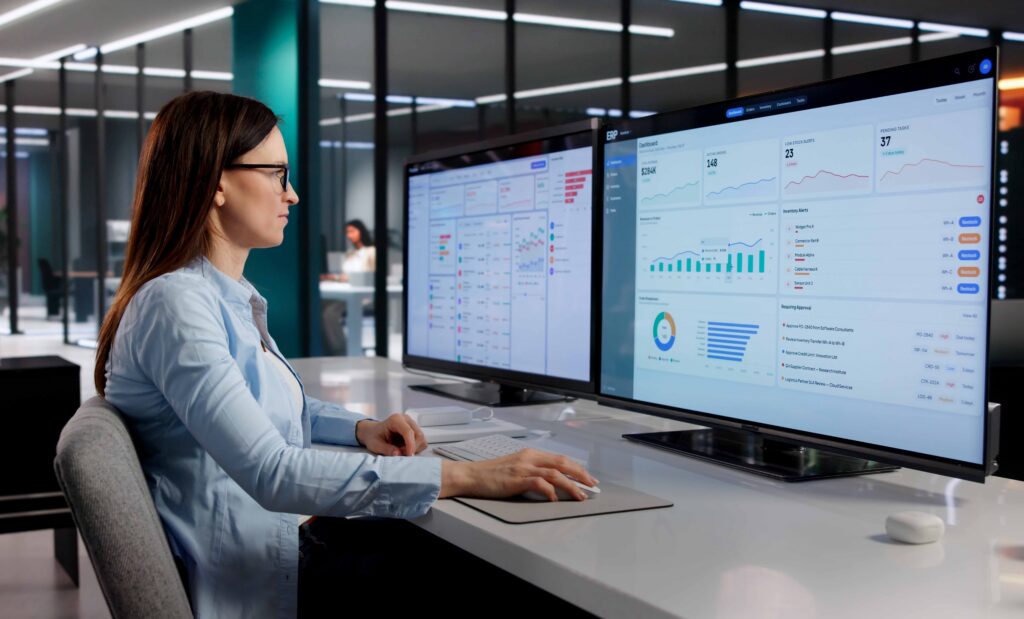
accounts payable workflow automation
Why AP Workflow Automation Still Leaves Finance Teams Doing Manual Work
Accounts payable automation has come a long way—yet most finance teams are still doing significant manual work. This article examines why AP workflows break down even with automation tools in place, where the ERP gaps lie, and what CFOs and finance leaders need to do to build truly touchless invoice and payment processing.
Agility’s $2.5B Wall Street Pitch Tests Whether Warehouse Humanoids Are Ready for Real Work
Agility Robotics is going public through a $2.5B SPAC merger with Churchill Capital Corp XI—a move that would make it the first US-listed pure-play humanoid robotics company. With 65,000 hours of real-world warehouse operations and $300 million in Digit v5 orders, Agility is testing whether physical AI can survive Wall Street's scrutiny of ROI, uptime, and supply chain integration.
SAP and IBM Say AI-Ready ERP Still Starts with Trusted Infrastructure
SAP and IBM are positioning ERP infrastructure as the foundation of AI readiness. New customer wins—including JYSK, GBM, DIFARE Group, and Plastilene Group—show how SAP Cloud ERP Private on IBM Power Virtual Server gives enterprises a secure, scalable path to modernization without abandoning the resilience of IBM Power.
Why Agribusiness ERP Has to Treat Contracts as Risk Signals
Agribusiness contracts carry commodity, FX, and interest-rate exposure long before settlement. This article explains how SAP Agricultural Contract Management turns contracts into a live risk engine inside ERP, with msg global's implementation approach.
ERP Today Awards
ERP Today Awards: AI, Operational Execution, Real-World Impact Defined ERP Leadership in 2025
The ERP Today Awards 2025 make one thing clear: ERP leadership is no longer defined by deployment success, but by real-world impact. Across five award categories—spanning AI innovation, operational execution, customer experience, SMB transformation, and large enterprise projects—the 2025 winners set a new standard for what it means to lead with enterprise technology.
middleware partnership management
meshIQ and Dataeko Target the Middleware Blind Spot Blocking Modernization
meshIQ and Dataeko have partnered to give enterprises unified visibility and control over middleware environments that connect ERP, supply chain, and banking systems across hybrid and multi-cloud estates. Powered by meshIQ's Version 12.1 agentic AI, the partnership targets the middleware blind spots blocking cloud modernization.
What Does It Take to Win the Next Energy ERP Cycle? SAP, Oracle, IFS, Infor Offer Different Answers
Excerpt: SAP, Oracle, IFS, and Infor are offering different answers to the next energy ERP cycle as oil, gas, utilities, renewables, and energy services companies modernize around assets, field execution, AI, and changing operating models.
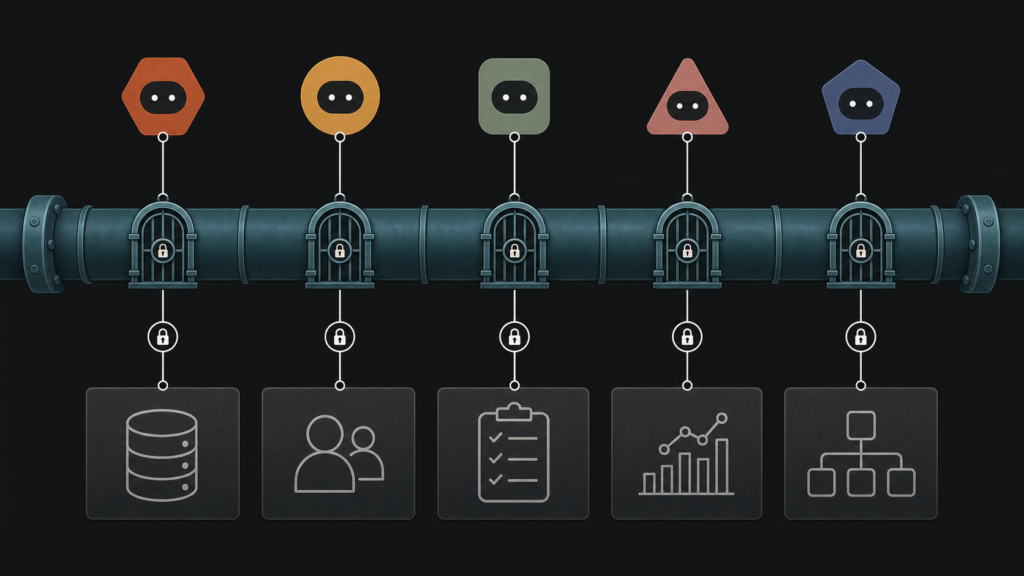
Enterprise AI sprawl and invisible AI governance concept
The AI Bill Is Bad, But Not Knowing What Is Running May Be Worse
Enterprises are learning the biggest AI bill is not tokens but invisible AI they cannot see, govern, or measure. This article explains how ERP and IT leaders can bring AI agents, tools, and workflows under real governance before sprawl, risk, and cost spiral out of control.
The ERP Value Gap: The Cost of Disconnected Payment Workflows
Disconnected AP workflows are quietly draining ERP value — new research on how payments and integration impact ERP performance Organizations invest in ERP systems to streamline operations, improve visibility, and connect critical business workflows. Yet when it comes to payments, 43% of organizations still manage at least some accounts payable (AP) processes outside the ERP, creating friction that limits the efficiency, scalability, and value they expect from their ERP investment. Based on new research from Priority Commerce surveying 150 AP professionals, The ERP Value Gap explores how disconnected AP workflows affect business outcomes, why payments are becoming a more important driver of platform value, and how ERP providers can better meet evolving customer expectations. For ERP providers and the enterprises that run on them, the challenge is closing the gap between the seamless AP experience users expect and what platforms actually deliver — without adding integration complexity or disrupting existing workflows. This session makes the case for treating payables as a core platform capability rather than an add-on: embedding payment capabilities directly into the ERP to improve AP efficiency, reduce workflow fragmentation, and increase value. Watch this on-demand session as Priority Commerce EVP of Operations Steve Tackett draws on 20+ years in payments technology to show finance and operations teams what to consider when connecting modern payment capabilities to their ERP environment. Why you should watch: - See the new research: What 150 AP professionals reveal about where AP workflows still live outside the ERP — and what it costs in visibility, efficiency, and scalability. - Diagnose your ERP value gap: Identify the common AP workflow challenges and integration barriers that force teams to manage payments outside the platform. - Pinpoint what to fix: Learn which payment and AP capabilities close those gaps and create a more seamless, connected ERP experience. - Understand the strategic upside: See why integrated payments strengthen platform value, customer retention, and long-term growth. - Get a CFO-ready view: Understand what role integrated payments should play in a modern ERP strategy and how they move the needle on cost, control, and ROI.
The ERP Value Gap: The Cost of Disconnected Payment Workflows
Disconnected AP workflows are quietly draining ERP value — new research on how payments and integration impact ERP performance Organizations invest in ERP systems to streamline operations, improve visibility, and connect critical business workflows. Yet when it comes to payments, 43% of organizations still manage at least some accounts payable (AP) processes outside the ERP, creating friction that limits the efficiency, scalability, and value they expect from their ERP investment. Based on new research from Priority Commerce surveying 150 AP professionals, The ERP Value Gap explores how disconnected AP workflows affect business outcomes, why payments are becoming a more important driver of platform value, and how ERP providers can better meet evolving customer expectations. For ERP providers and the enterprises that run on them, the challenge is closing the gap between the seamless AP experience users expect and what platforms actually deliver — without adding integration complexity or disrupting existing workflows. This session makes the case for treating payables as a core platform capability rather than an add-on: embedding payment capabilities directly into the ERP to improve AP efficiency, reduce workflow fragmentation, and increase value. Watch this on-demand session as Priority Commerce EVP of Operations Steve Tackett draws on 20+ years in payments technology to show finance and operations teams what to consider when connecting modern payment capabilities to their ERP environment. Why you should watch: - See the new research: What 150 AP professionals reveal about where AP workflows still live outside the ERP — and what it costs in visibility, efficiency, and scalability. - Diagnose your ERP value gap: Identify the common AP workflow challenges and integration barriers that force teams to manage payments outside the platform. - Pinpoint what to fix: Learn which payment and AP capabilities close those gaps and create a more seamless, connected ERP experience. - Understand the strategic upside: See why integrated payments strengthen platform value, customer retention, and long-term growth. - Get a CFO-ready view: Understand what role integrated payments should play in a modern ERP strategy and how they move the needle on cost, control, and ROI.

federal ERP modernization
Federal ERP Modernization Gets Another Procurement Path as 2027 Deadline Nears
Federal agencies require effective procurement strategies for ERP modernization, as highlighted by M&S Consulting's participation in NASA's SEWP VI contract, which provides a framework for essential IT services and emphasizes the importance of leveraging small-business certifications in the contracting process.
Microsoft’s Layoffs Has Put Its AI Sales Machine Under Scrutiny
Microsoft's recent layoff of 4,800 employees, mainly from its sales and Xbox divisions, reflects a broader shift in the enterprise software model due to AI investments, highlighting challenges in selling complex AI solutions while adapting workforce structures to meet changing customer needs.
Finance AI
Sage Finds Finance AI Can Be 99% Accurate and Still Fail the Trust Test
A recent Sage study revealed that 71% of finance leaders would dismiss a highly accurate AI tool if it lacked explainability, emphasizing that transparency and the ability to validate AI-generated outputs are crucial for trust and compliance in financial decision-making.
enterprise AI ROI
AI’s Token Binge Is Over—Now Enterprise Budgets Want Proof
Enterprises that once rewarded employees for maximizing AI usage are now discovering how quickly token costs can spiral. As finance leaders tighten budgets, AI pilots are being judged on workflow‑level outcomes, model routing discipline, and whether they actually improve delivery, code quality, and ERP operations—not just how many tokens they consume.
The ERP Today Awards 2025 Playbook
Get prepared for the ERP Today Awards 2026! A practical story framework for finding, shaping, and nominating transformation work that deserves recognition in 2026. Download our awards playbook to get nomination-ready for the ERP Today Awards 2026.
Global tax management architecture connecting ERP data, e-invoicing, tax engines, analytics, and compliance governance.
SAPinsider’s New Global Tax Report Shows Why ERP Data Is at the Center of Compliance
SAPinsider’s 2026 Global Tax Management benchmark shows that tax compliance is becoming an ERP data problem, with AI, e-invoicing, regulatory change, and fragmented systems forcing tax, finance, and IT leaders to rebuild the foundation.
SAP AI budget discipline for hiring and travel
After SAP’s Leadership Reorg, AI Overhaul Places New Scrutiny on Hiring and Travel
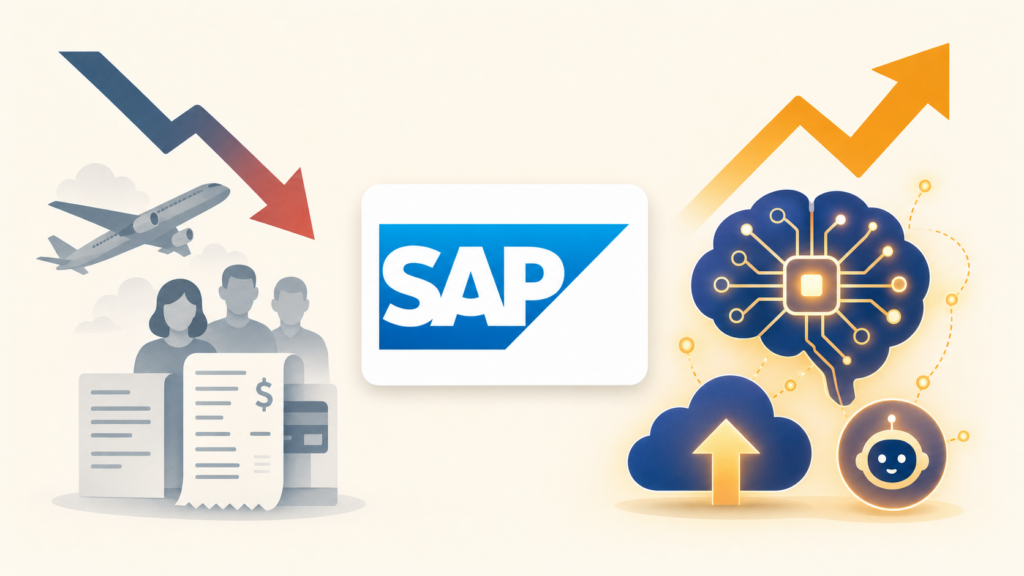
SAP is reallocating its operating budget by tightening hiring, limiting travel, and reviewing supplier spending to prioritize investments in AI capabilities and technologies, signaling a strategic shift towards enhancing its AI-driven products and services while managing operational costs.
Winding Down Support: The Other 2027 Deadline ERP Teams Can’t Afford to Miss
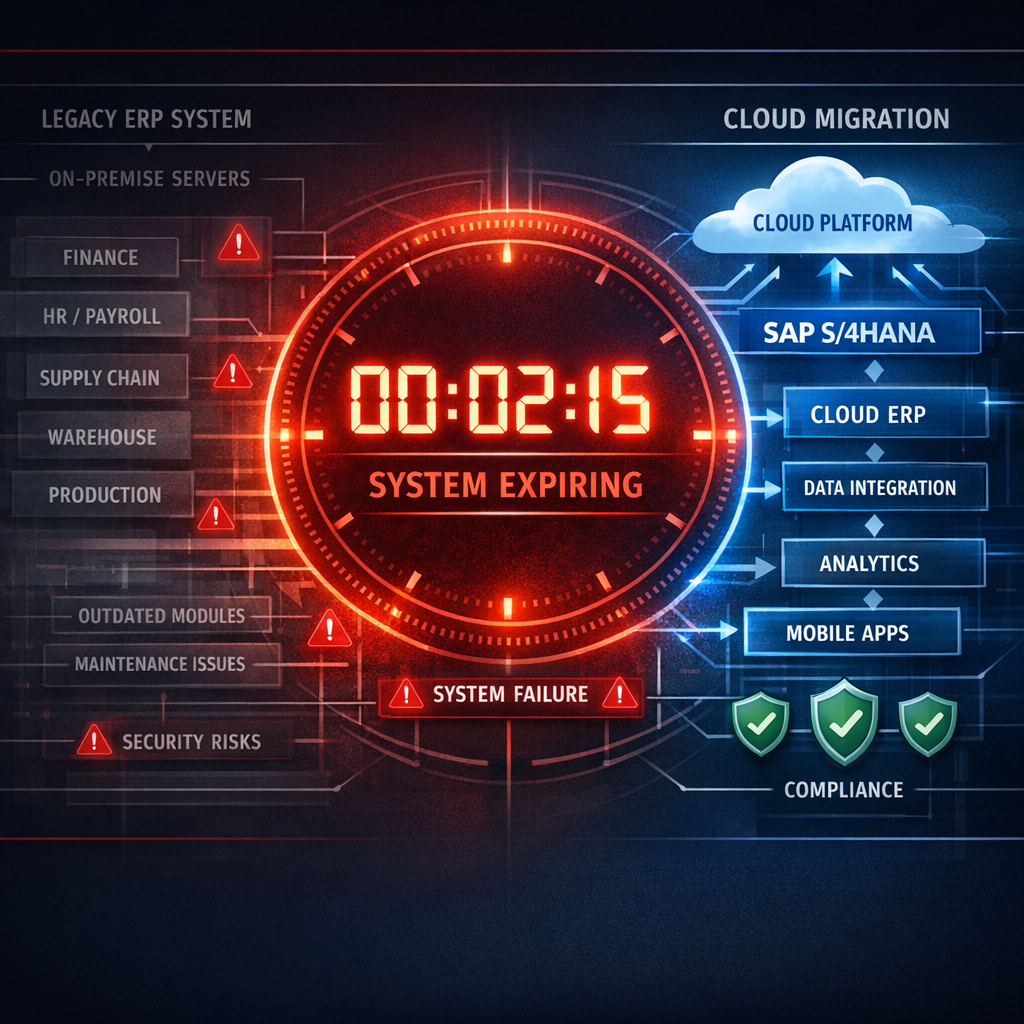
SAP ECC is not the only 2027 deadline ERP teams need to manage. SAP Solution Manager—the tool most SAP organizations rely on for change control, ITSM, monitoring, and audit trails—is also winding down its support in 2027. With SAP Cloud ALM not offering a direct like-for-like replacement for SolMan's ChaRM functionality in on-premise scenarios, ERP teams face a hidden compliance and governance gap that requires urgent planning.
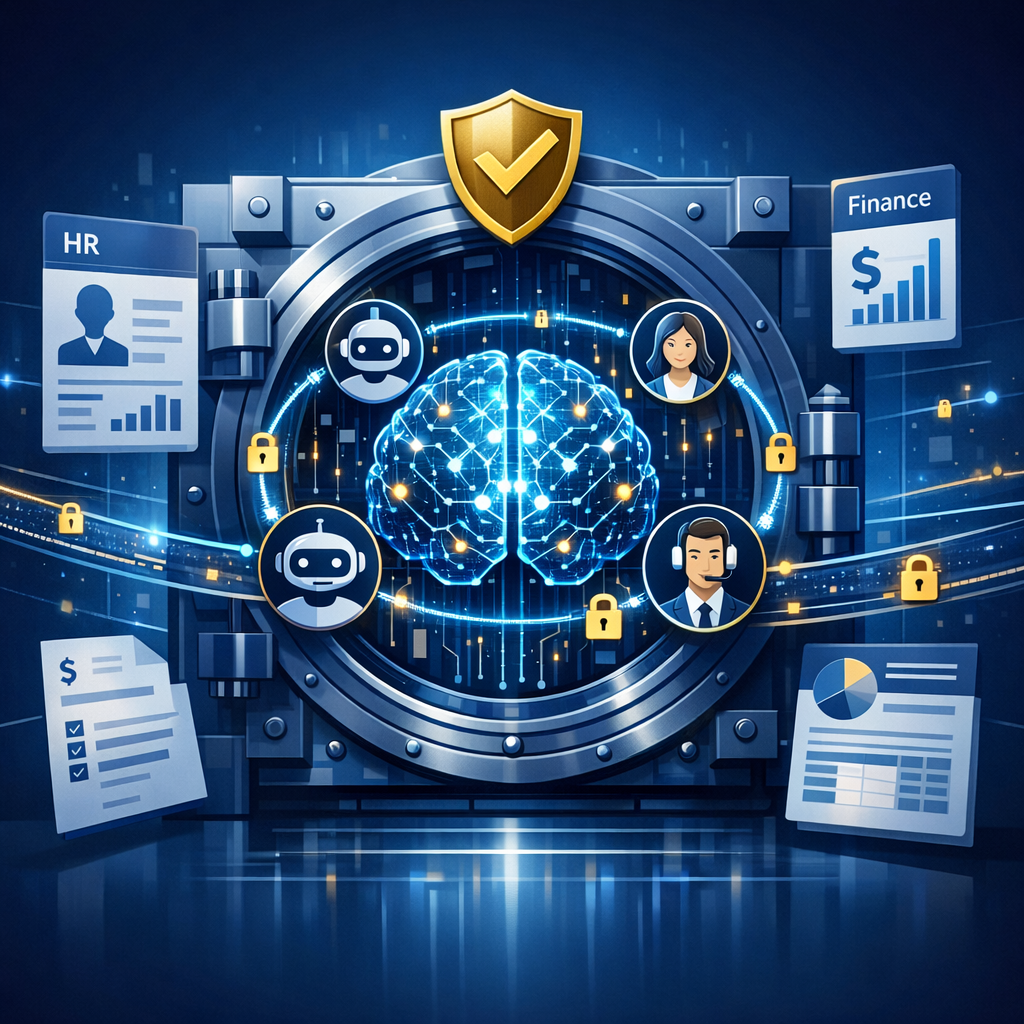
Enterprise AI sprawl and invisible AI governance concept
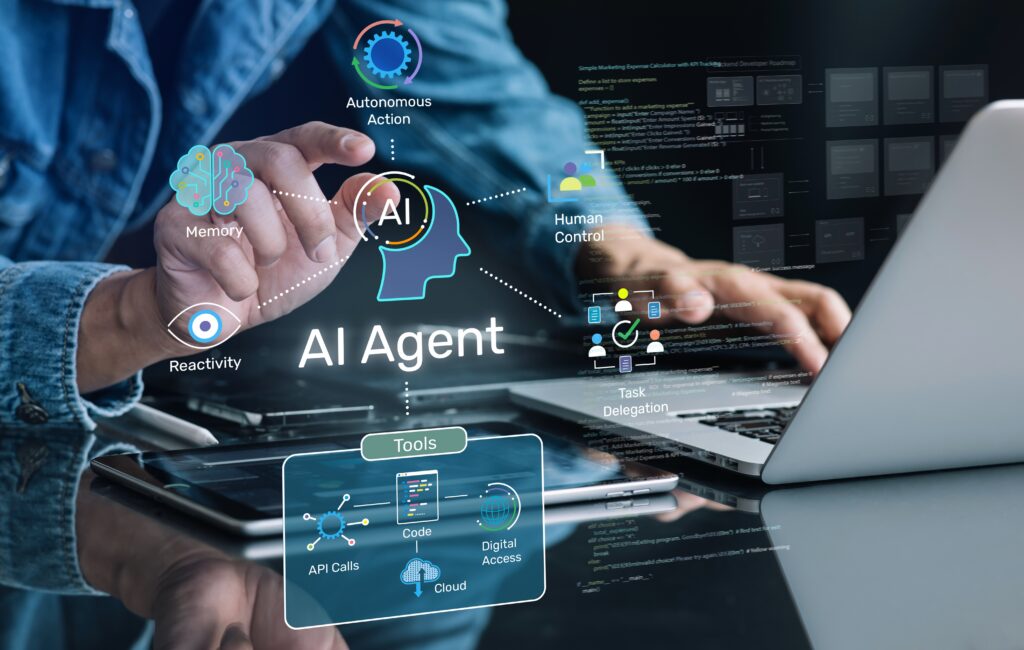
Workday Says AI Agents Belong Closer to the Systems They Could Break
Workday is drawing a clear line in the enterprise AI agent debate: for high-stakes workflows in HR, payroll, and finance, the safest place for AI inference and orchestration is inside the system of record, not on neutral third-party platforms. Through its controlled openness model—open APIs and MCP for developers, proprietary governance within Workday—the company argues that context, business logic, and security controls are a competitive moat that cannot be safely externalized.
CFO command center for finance AI
BlackLine Is Giving CFOs a Control Room for Finance AI
BlackLine’s Finance Control Console preview turns its Agentic Financial Operations Platform into a control room for AI agents, giving CFOs visibility, policy enforcement, and audit‑ready evidence across record‑to‑report, invoice‑to‑cash, and other finance workflows.
AI coding legacy modernization
NTT DATA Bets Cursor Can Speed the Messy Work of Legacy Modernization
NTT DATA’s partnership with Cursor brings AI coding agents directly into its global software engineering model, aiming to speed legacy modernization while strengthening governance and aligning modernization with enterprise‑wide AI strategy.
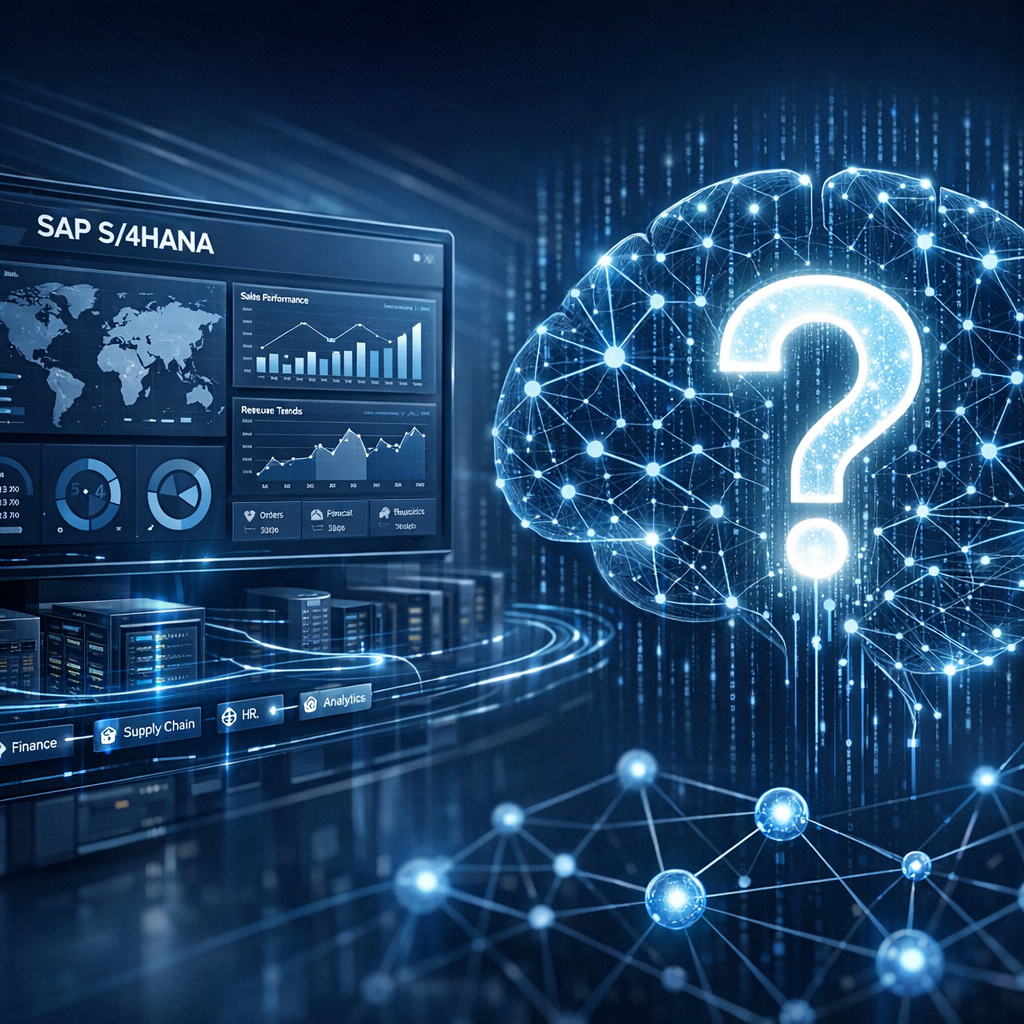
ERP AI readiness gap after S/4HANA migration - digital brain with question mark on enterprise data dashboard
ERP AI Readiness FAQ: Why SAP S/4HANA Migration Alone Will Not Get You There
Most ERP teams treat S/4HANA go-live as the finish line for transformation—but it is only the starting line for AI readiness. This FAQ explores why migration alone is not enough, what data and cloud foundations are missing, and how ERP leaders can build the architecture required to move AI from pilot to production.
Applied Materials finance transformation using SAP Taulia Dynamic Discounting for supplier payments
Applied Materials Is Finding Finance Transformation in Faster Supplier Payments
Applied Materials is using SAP Taulia Dynamic Discounting as part of its Agile Finance program to accelerate supplier payments, improve supplier liquidity, and build a scalable, AI-first finance operating model. The initiative shows how enterprise working capital programs can evolve from transactional efficiency tools into strategic platforms that deliver both supplier value and measurable financial returns for large manufacturers.
Marabu Builds a Global ERP and CRM Platform on Dynamics 365
Marabu, a leading manufacturer of printing and hobby inks, partnered with Hitachi Solutions to replace fragmented legacy systems with a unified Microsoft Dynamics 365 platform for ERP and CRM. Dynamics 365 Sales, Customer Service, Finance, and Supply Chain are being rolled out across multiple countries, harmonising processes, improving data quality, and creating a scalable foundation for Marabu’s international growth.
Honeywell Announcements
Honeywell Pushes Industrial AI into Control Rooms and OT Cybersecurity
Honeywell launched Experion Cognition, an AI-driven control system to enhance autonomous operations in industrial control rooms, while simultaneously expanding its OT Cybersecurity Suite to bolster defenses against advanced cyber threats, illustrating a strategic focus on integrating AI with operational resilience and security.
service-centric ERP
Why Unit4 Keeps Showing Up on the ERP Shortlist
Unit4’s latest ERPx moves show why the vendor keeps appearing in shortlists for service-centric organizations. Success4U, DataHub, and FIX sharpen its pitch around deployment predictability, governed analytics, and ERP built for people- and project-driven operations.
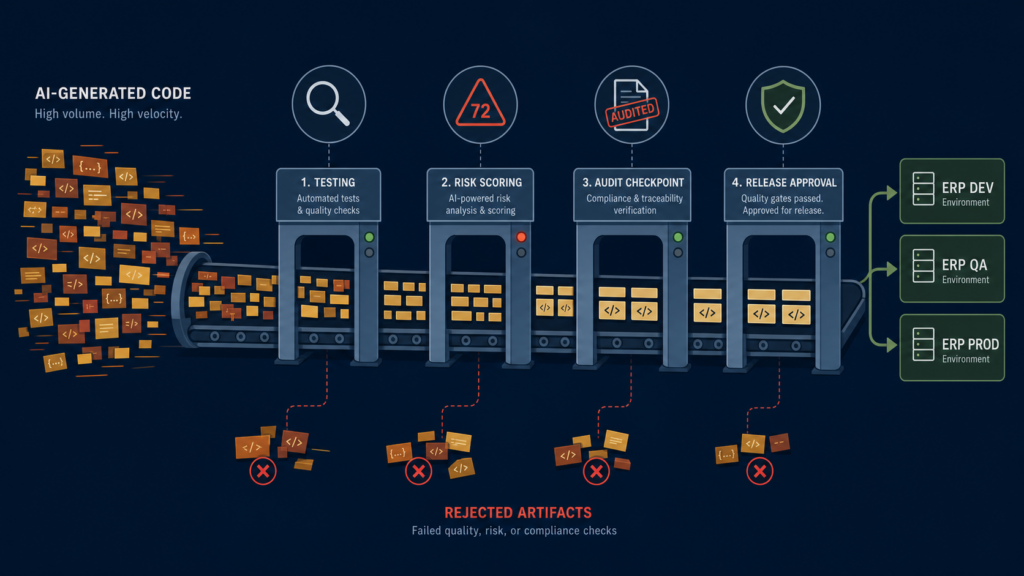
AI Made Code Faster—Tricentis Says Quality Teams Are Falling Behind
Tricentis’ 2026 Quality Transformation Report shows that AI has accelerated software creation faster than many organizations can validate it, turning quality engineering into a boardroom issue for ERP and enterprise application leaders.
Gatekeeping Enterprise AI? Workday Redraws the Build-vs-Buy Line for AI Agents
Workday’s DevCon 2026 announcements show how enterprise AI agent strategy is moving beyond build-versus-buy and toward governed access to HR, finance, business process, and audit controls.
SAP AI skills
ERP’s AI Skills Gap Is Becoming the Real Transformation Bottleneck
ERP vendors like SAP are shipping AI features faster than teams can absorb them. The SAP AI skills gap—with 91% of organizations using AI but only 17% embedding it in core workflows—is now the defining bottleneck to real ERP transformation.
AWS agentic AI SAP ERP exceptions - MCP agentic ERP infrastructure with AgentCore
MCP Is Becoming the Plumbing of Agentic ERP—ERP Leaders Need to Understand It
MCP is emerging as the protocol layer that lets AI agents discover and call enterprise tools, data sources, and workflows. For ERP leaders, the opportunity is lower integration friction. The risk is that access control, auditability, and cost discipline move closer to the agent boundary.