Governance, Risk, and Compliance

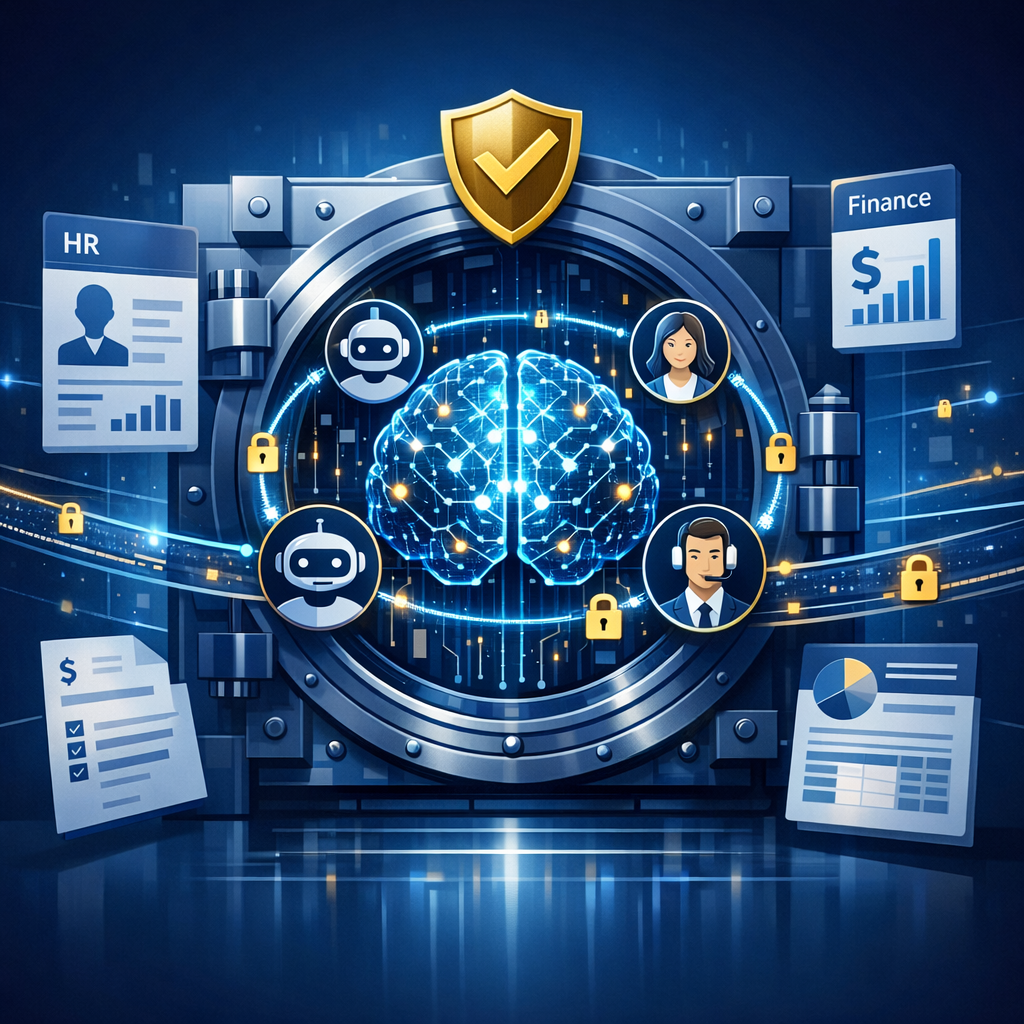
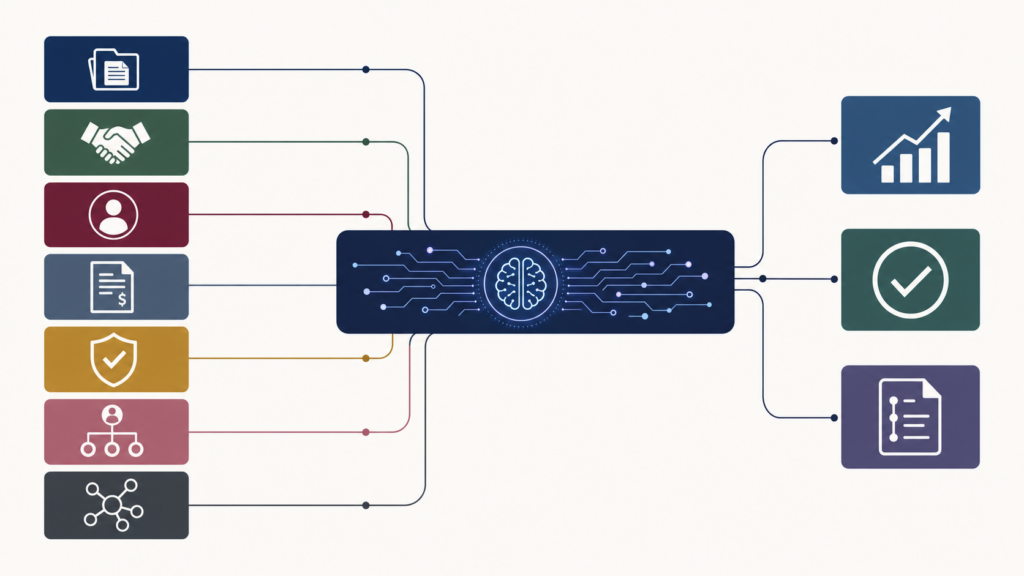
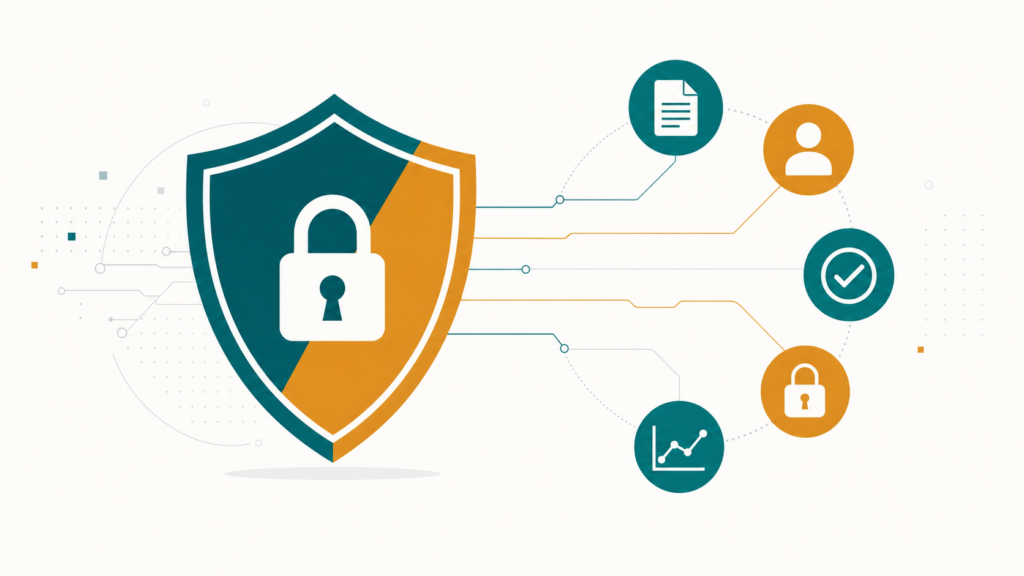
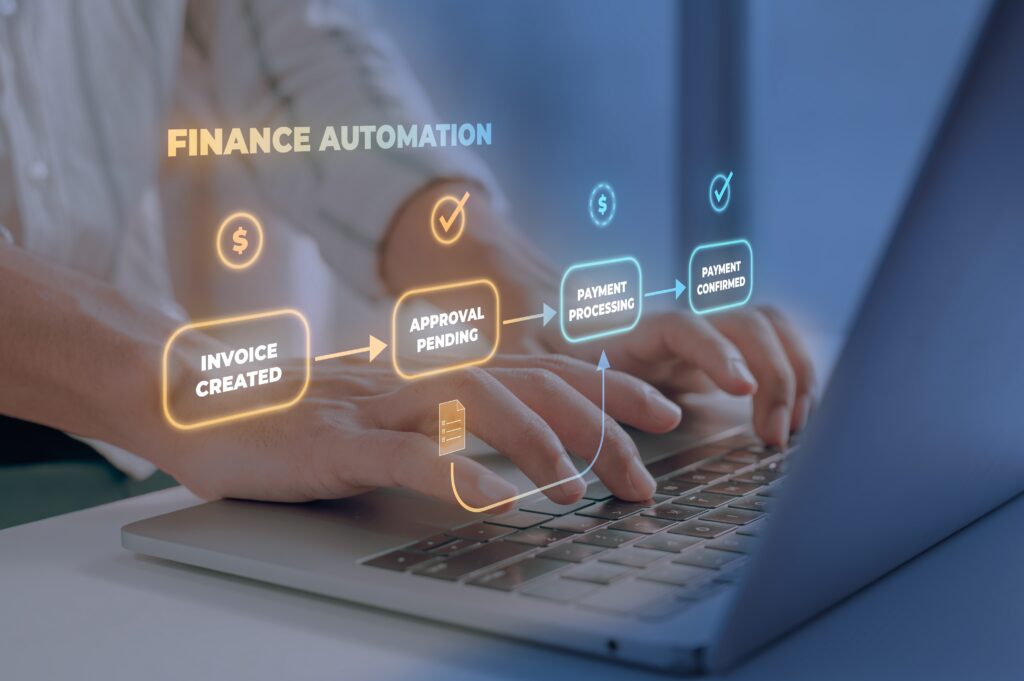
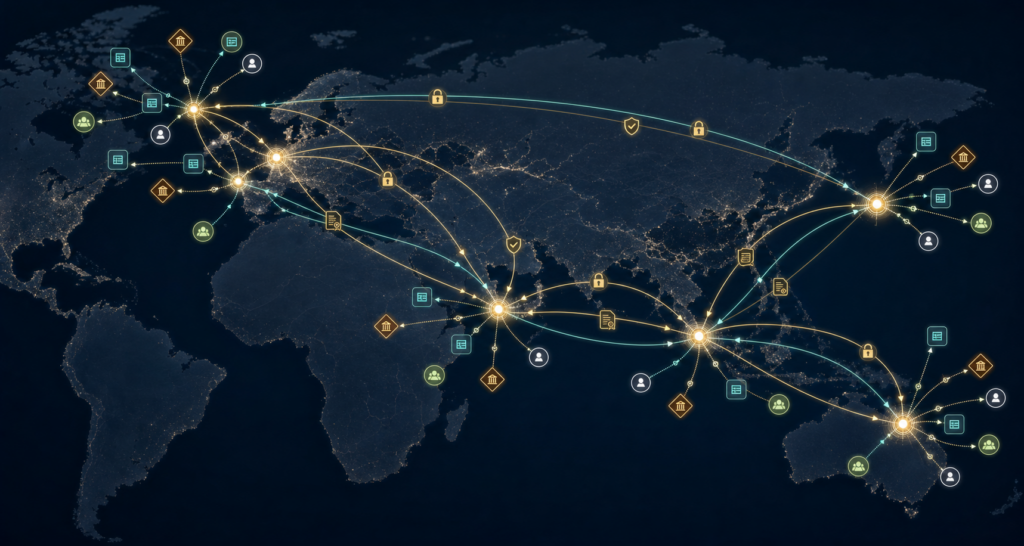
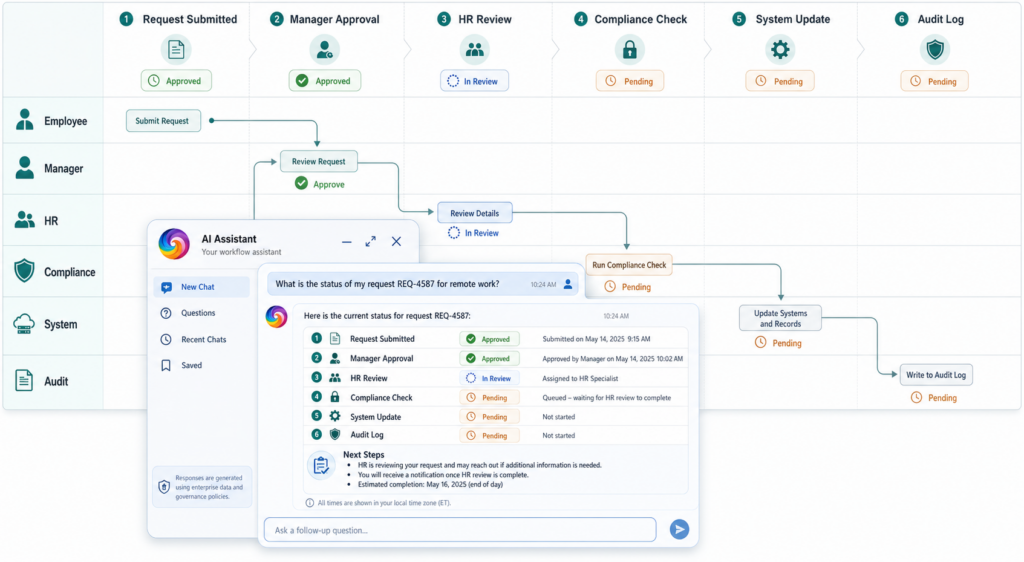
Enterprise Resource Planning (ERP) serves as a cornerstone in ensuring effective Governance, Risk, and Compliance (GRC) within organizations. By integrating GRC modules, ERP systems provide a centralized platform to manage and monitor governance practices, identify and mitigate risks, and ensure compliance with regulatory requirements. This  approach enhances transparency and accountability across various business processes. ERP’s real-time reporting and analytics capabilities enable organizations to proactively identify potential risks and address compliance issues promptly. The integration of GRC within ERP streamlines workflows, promoting a culture of risk-aware decision-making. This synergy empowers organizations to navigate complex regulatory landscapes, mitigate risks efficiently, and uphold the highest standards of governance, ensuring a resilient and compliant operational environment.

Cell and gene therapy manufacturing vials arranged in a controlled lab tray for traceability and processing
Cell and Gene Therapy Manufacturing Exposes the Cost of Delayed Digital Infrastructure
Cell and gene therapy manufacturing is exposing the limits of manual coordination. As programs scale, digital orchestration is becoming essential to ensure traceability, reduce risk, and support operational execution.
Paris, France_SAP sovereign cloud France
SAP Targets Regulated ERP Workloads with Sovereign Cloud Launch in France
SAP’s sovereign cloud launch in France with Bleu reflects a broader shift in Europe, where ERP and cloud strategies are increasingly shaped by regulatory requirements, data sovereignty, and compliance mandates.
‘The Critical Gap Isn’t Technical — It’s Architectural Judgment:’ Sanjay Vijay Mhaskey
Composable ERP, often discussed yet rarely implemented strategically, requires organizations to demonstrate architectural discipline and governance readiness through established standards, intentional modernization practices and proactive management.
SAPinsider Las Vegas 2026 at Bellagio hotel highlighting SAP security and zero-day risk discussion
Zero-Day Risk Reshapes SAP Security as Attacks Grow Faster and More Complex
Zero-day vulnerabilities are becoming expected in SAP environments. As attacks grow more frequent and sophisticated, patching alone is no longer sufficient to manage enterprise risk.
Bellagio Hotel in Las Vegas, host location of SAPinsider Las Vegas 2026 CIO transformation discussions
CIOs Shift SAP Transformation Focus to Long-Term Value at SAPinsider Las Vegas 2026
CIOs at SAPinsider Las Vegas 2026 discuss how SAP transformation decisions are shifting toward long-term value, with a focus on migration versus modernization, cost pressures, and post-go-live accountability.
UiPath, Deloitte Launch Agentic ERP Platform
UiPath and Deloitte are enhancing their partnership to launch the Agentic ERP offering, which integrates autonomous AI agents and robotic process automation to provide a strategic approach for automating complex enterprise workflows across ERP systems.
CIO forum discussion at SAPinsider Las Vegas 2026 at the Bellagio conference venue.
CIO Forum at SAPinsider Las Vegas 2026 Opens With Focus on Cost, Alignment, and Execution
CIOs at SAPinsider Las Vegas 2026 emphasized cost pressure, AI adoption, and business alignment as key forces shaping SAP strategy and enterprise technology decisions.
Emerging AI Laws in Asia Are Raising New Questions for ERP Systems
AI regulation across Asia is evolving from voluntary guidance to binding rules, creating a fragmented compliance landscape that influences ERP design and implementation of AI, particularly concerning AI-generated content, high-impact decision-making, and the need for documentation and explainability.
Real-Time Requirements for Accurate Tax Calculations
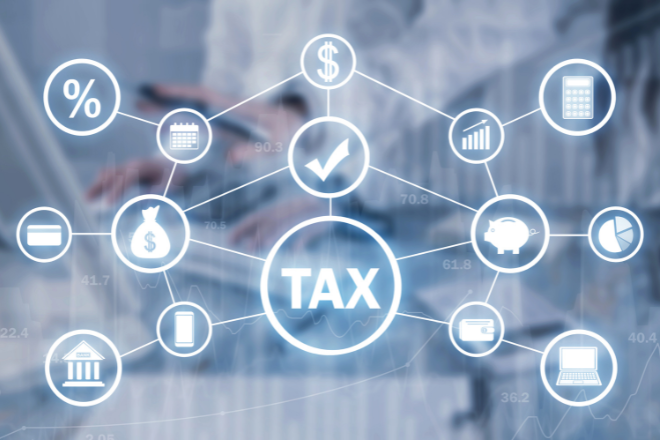
E-invoicing is often misidentified as the sole challenge of indirect tax compliance, whereas it is merely a symptom of a broader need for enterprises to develop resilient tax architectures capable of adapting to emerging regulatory demands and continuous transaction controls.
Rise with SAP Security Risk Is Increasingly Shaped by Timing, Data, Assurance
As organizations accelerate their migration to SAP S/4HANA Cloud Private Edition, security risks intensify, prompting a shift in focus towards proactive security measures, data-centric access control, and a structured assurance model to ensure effective protection and compliance in increasingly complex cloud environments.
IT professionals working at computer monitors in an office, representative of enterprise system security monitoring.
SAP Security Patch Day March 2026 Highlights FS-QUO and Enterprise Portal Risks
SAP’s March 2026 Security Patch Day delivered 15 new Security Notes, including critical vulnerabilities affecting SAP Quotation Management Insurance and SAP NetWeaver Enterprise Portal. Vendor analysis highlights how trusted platform services and system integrations can amplify exposure across SAP landscapes.
Abu Dhabi skyline representing the UAE as the country prepares to implement its national e-invoicing mandate for businesses by 2027.
UAE E-Invoicing Mandate: What ERP and Finance Teams Need to Know Before 2027
The UAE e-invoicing mandate will require businesses to generate structured invoice data and report transactions through accredited service providers by 2027. The shift moves invoice compliance into ERP systems, where billing data, validation workflows, and compliance architectures determine whether invoices pass regulatory checks.
European Economic and Social Committee building in Brussels representing EU cloud sovereignty and data governance policy.
‘Sovereignty Washing’: Why Cloud Sovereignty Claims Don’t Always Match Reality
As concerns about data sovereignty grow across Europe, many cloud providers now promote “sovereign cloud” solutions. But legal jurisdiction, technology dependencies, and supply-chain relationships can complicate these claims. This article explores the emerging phenomenon of sovereignty washing and explains how organizations can evaluate whether cloud services truly meet sovereignty requirements.
Pathlock logo representing SAP threat detection integration with Microsoft Sentinel SIEM architecture.
Pathlock Extends SAP Threat Detection into Microsoft Sentinel’s SIEM Architecture
Pathlock has extended its SAP Threat Detection capability into Microsoft Sentinel’s SIEM architecture, bringing enriched SAP security telemetry into centralized SOC workflows across hybrid SAP environments.
Nvidia logo displayed against stock market chart background symbolizing AI infrastructure growth and earnings performance.
Nvidia Earnings Signal Expanding AI Infrastructure—and New ERP Risk Dependencies
Nvidia’s FY26 earnings confirm accelerating AI infrastructure investment. For ERP leaders, the real story lies in emerging dependencies across hyperscaler leverage, security posture, and enterprise data governance.
ERP cloud lifecycle management dashboard showing integration complexity and AI-driven automation
Steering Cloud ERP Migrations with Data Governance
Migrating to a modern cloud ERP system requires prioritizing high-quality data management to avoid legacy pitfalls, including early-stage data validation, strategic archiving, and creating unified golden records to ensure a successful transformation.
European Union flag in front of modern glass office buildings symbolizing cloud sovereignty and digital regulation in Europe.
Why Inetum Sees Control—Not Infrastructure—as the Real Sovereignty Challenge
ERP modernization in Europe now unfolds under sovereignty expectations. Data control, hybrid architecture, and governance-by-design increasingly determine whether AI-enabled systems can withstand regulatory scrutiny and scale with confidence.
a-smiling-woman-wearing-a-headset-at-a-computer_Arum Approved System status
TCN Secures Arum Approved Status for Operator Platform
TCN has achieved Arum Approved System status for its Operator contact center platform, validating compliance controls, automation strength and scalability in regulated credit and collections environments.
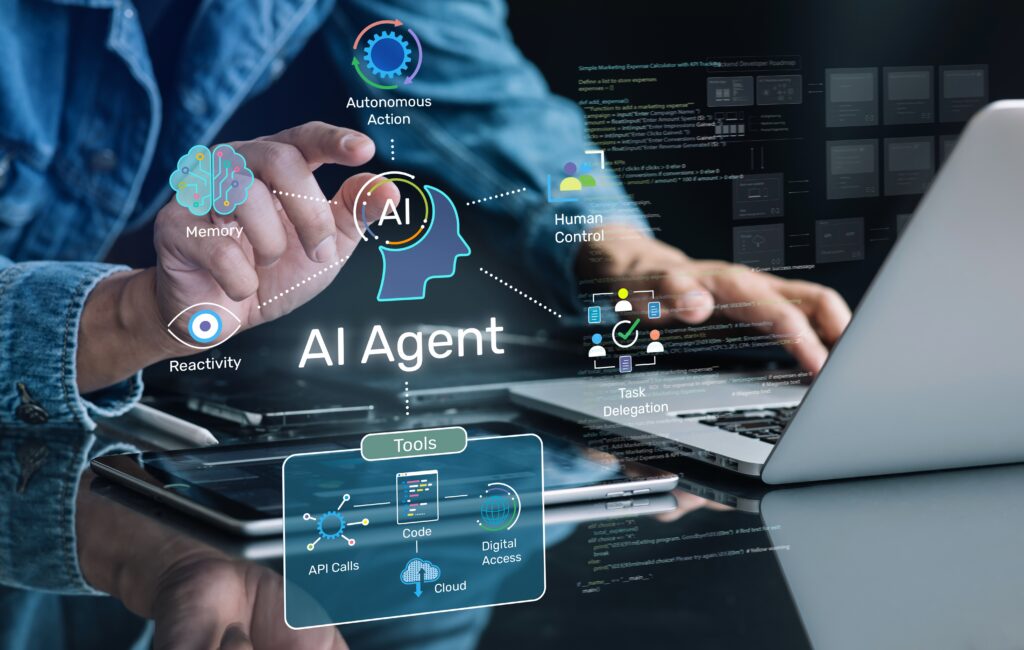
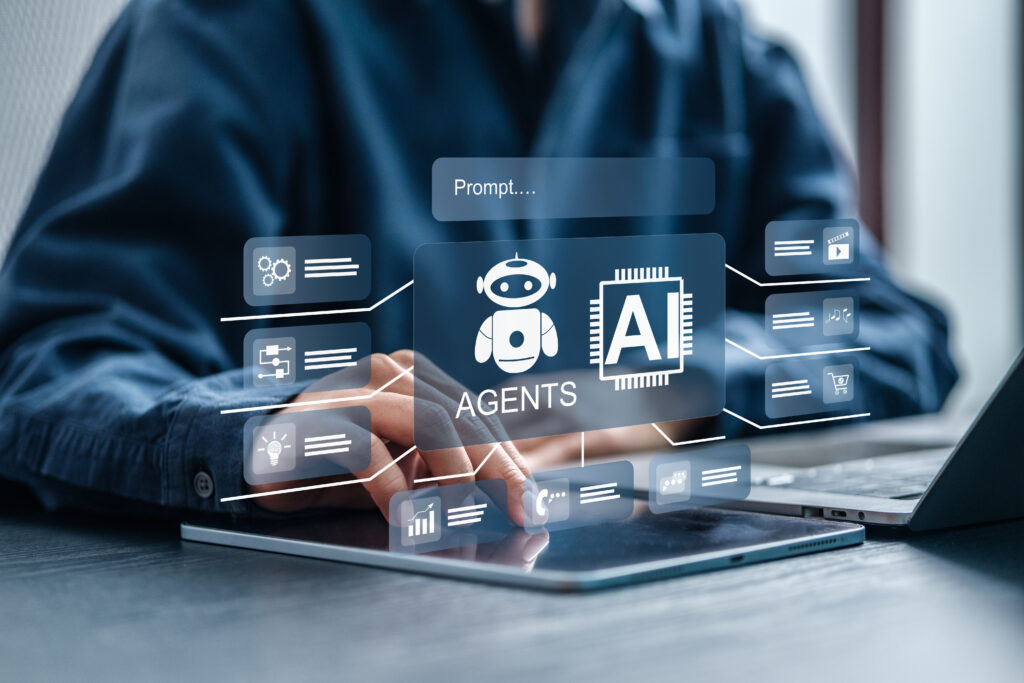
Businessperson hold an image of an AI agent in hand.
AI’s Priority Shift and Impact for ERP Systems
Aptean is shifting from AI pilot projects to embedding vertical AI within ERP systems such as AppCentral 2.0, emphasizing the necessity for industry-specific intelligence to enhance decision-making, productivity, and competitive advantage for midmarket enterprises.
Security analyst monitoring code and identity access controls across multiple screens following accelerated AI-driven breach activity
AI Compressing Breach Timelines as Identity Weaknesses Drive 90% of Incidents
Unit 42’s 2026 Global Incident Response Report finds attackers reaching data exfiltration in as little as 72 minutes, with identity weaknesses involved in nearly 90% of incidents. The findings highlight AI-driven acceleration, over-permissioned identities and multi-surface exposure across modern enterprise environments.
Agentic AI Signals a Shift to New Enterprise Operating Model
The rise of agentic AI is compelling executives to reassess whether AI merely enhances existing operations or fundamentally transforms their business models.
Bharat Mandapam in New Delhi illuminated at night during the India AI Impact Summit 2026.
India AI Impact Summit: Capital, Compute, and Execution Align
The India AI Impact Summit 2026 centered on infrastructure scale, hyperscaler investment, indigenous AI models and enterprise delivery alignment rather than new software releases.
KPMG LLP corporate branding image associated with the Tax AI Accelerator Program and Digital Gateway GenAI platform for corporate tax departments.
KPMG Launches Tax AI Accelerator Program to Advance Generative AI in Corporate Tax
KPMG has launched a Tax AI Accelerator Program that pairs structured AI training with a secure Digital Gateway sandbox. The model signals a governance-led approach to generative AI adoption in corporate tax and ERP-adjacent finance functions.
Munich Security Conference 2026 venue interior with MSC screens and white dove installation, photographed by Jens Hartmann for MSC.
Cybersecurity at the Munich Security Conference—What It Means for Businesses
Cybersecurity was central to discussions at the Munich Security Conference 2026. As state leaders integrate cyber into national security planning, enterprise risk, cloud strategy, and infrastructure resilience are being reshaped by geopolitical realities.
SAP logo displayed at company office, representing enterprise software security and monthly Patch Day updates.
SAP February Patch Day Puts ABAP and Platform Risk in Focus
SAP’s February 2026 Patch Day delivered 26 new notes and one update, with critical exposure centered in ABAP and core platform services. Vendors warn impact depends on how trust and integrations operate inside each landscape.
Closing the ERP Intelligence-to-Action Gap
Over 70% of ERP initiatives are projected to fail by 2027 due to the gap between insights generated and coordinated actions taken, as traditional ERP systems, despite modernizations such as AI and analytics, struggle with structural issues that prevent timely decision-making across interconnected divisions.
Liquidity as a Real-Time Operating System: Kyriba on the Future of Treasury
As CFOs face escalating challenges from interest rate fluctuations and FX shocks, they urgently need connected treasury systems that provide real-time liquidity insights by integrating multi-bank and multi-ERP data, enabling strategic decision-making through AI-driven recommendations.